








An Evolving Archive
2002 — Present
Different Mediums.
Same Pursuit.
Scroll to trace it back ↓
An Evolving Archive
2002 — Present
Scroll to trace it back ↓
Animation led me toward interaction.
Interaction led me toward web experiences.
Web opened the door to communication systems, campaigns, storytelling and strategy.
But none of the previous layers ever disappeared.
A lesson from animation would reappear inside films.
Coding would shape interaction thinking.
Web design would influence communication systems.
Campaigns would demand storytelling.
Leadership would demand understanding people.
Over time, the mediums evolved.
Twenty-four years of watching tools change. One thing never did. Human Behaviour Was Always The Medium.

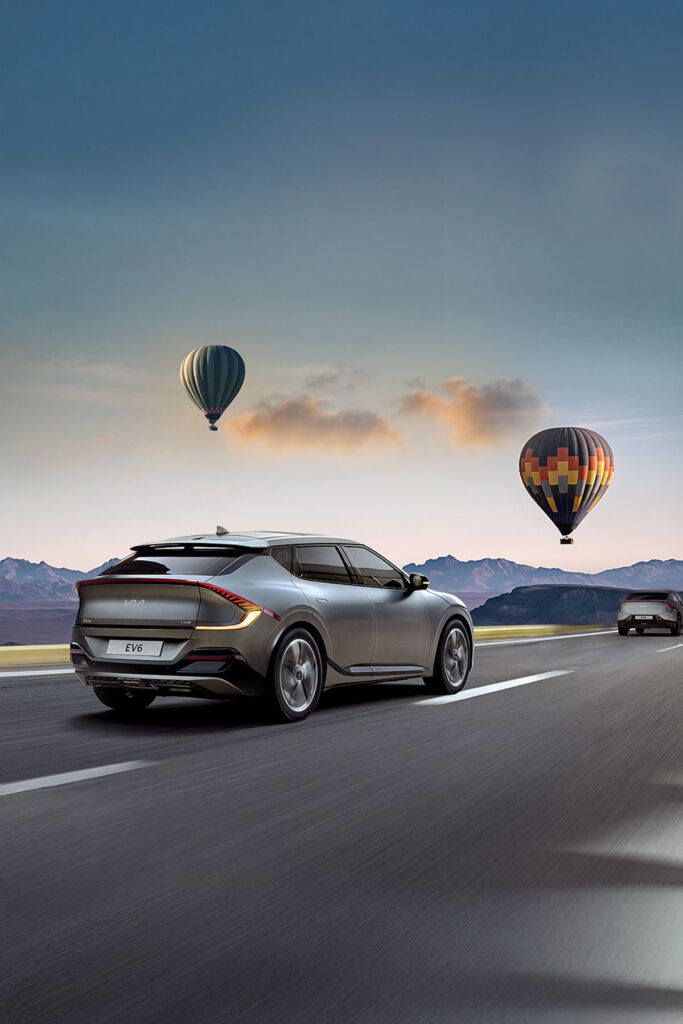
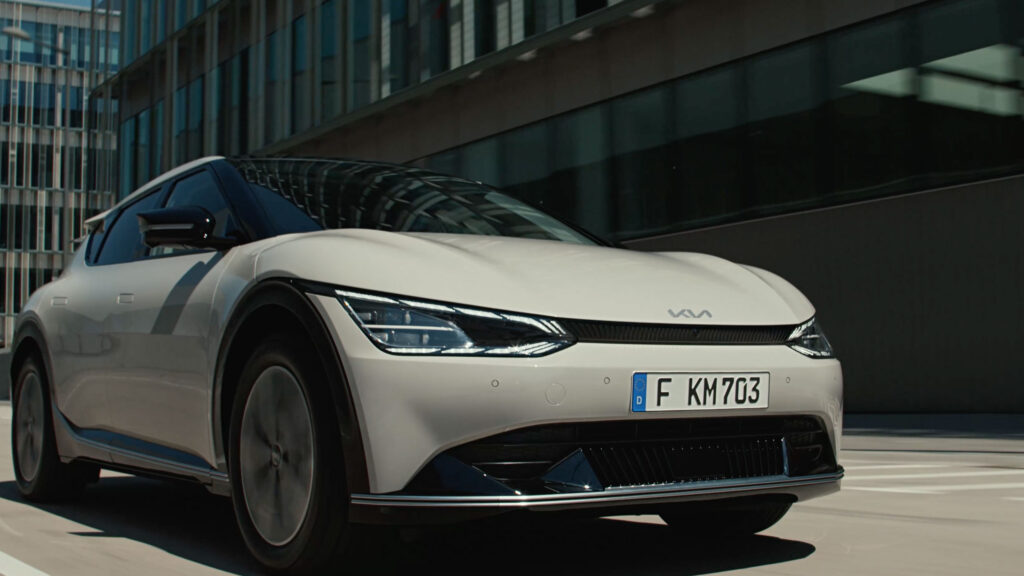
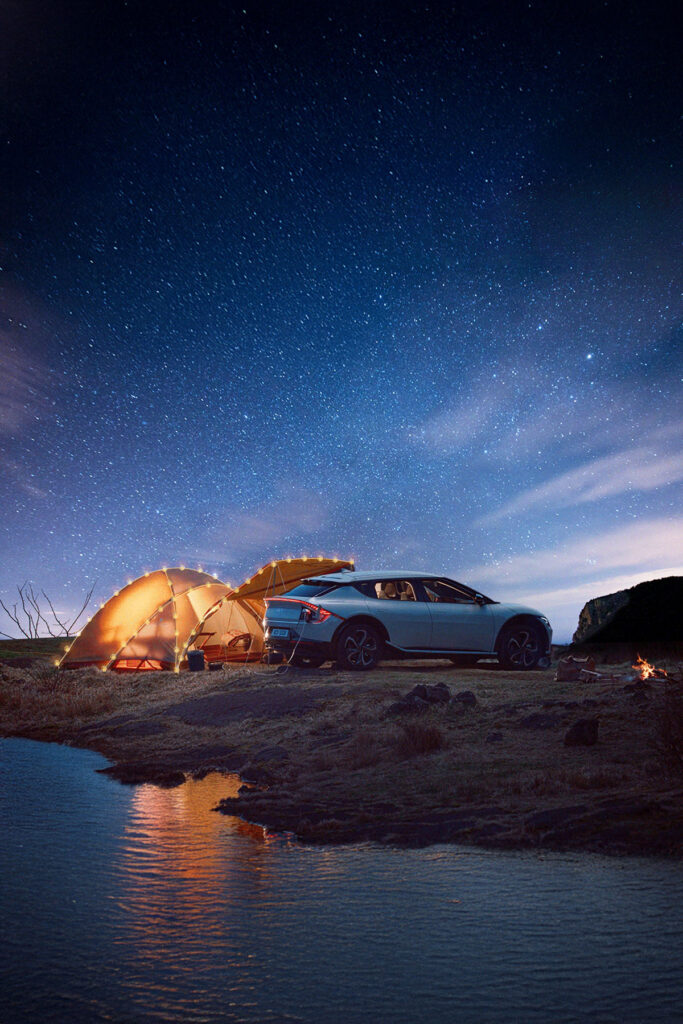
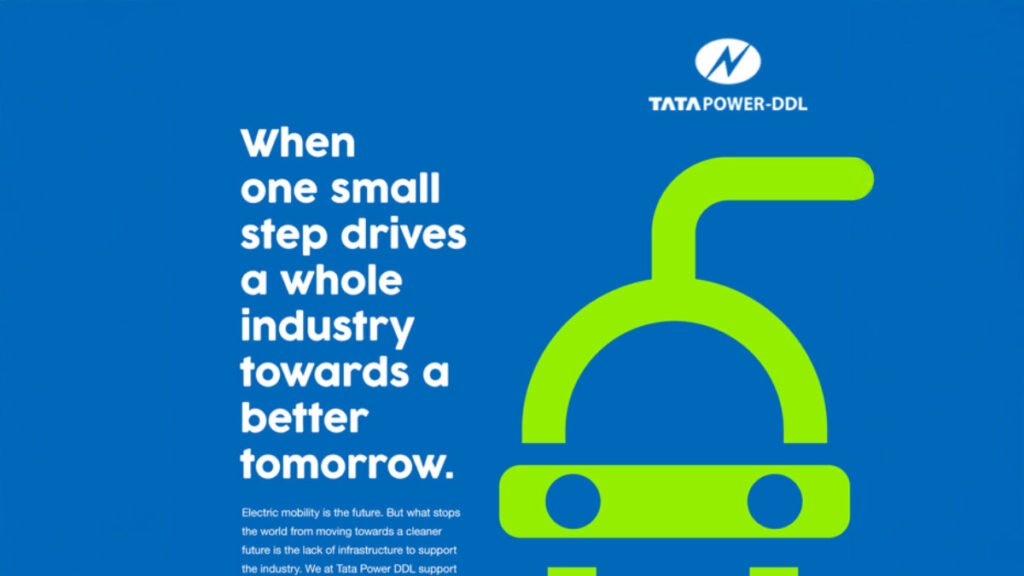
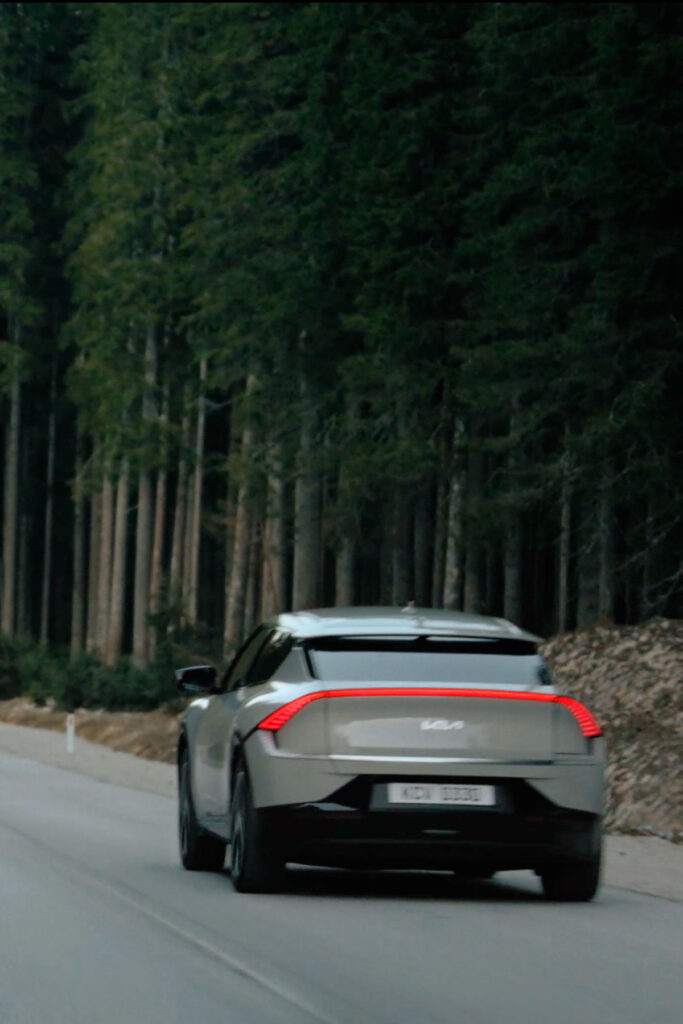
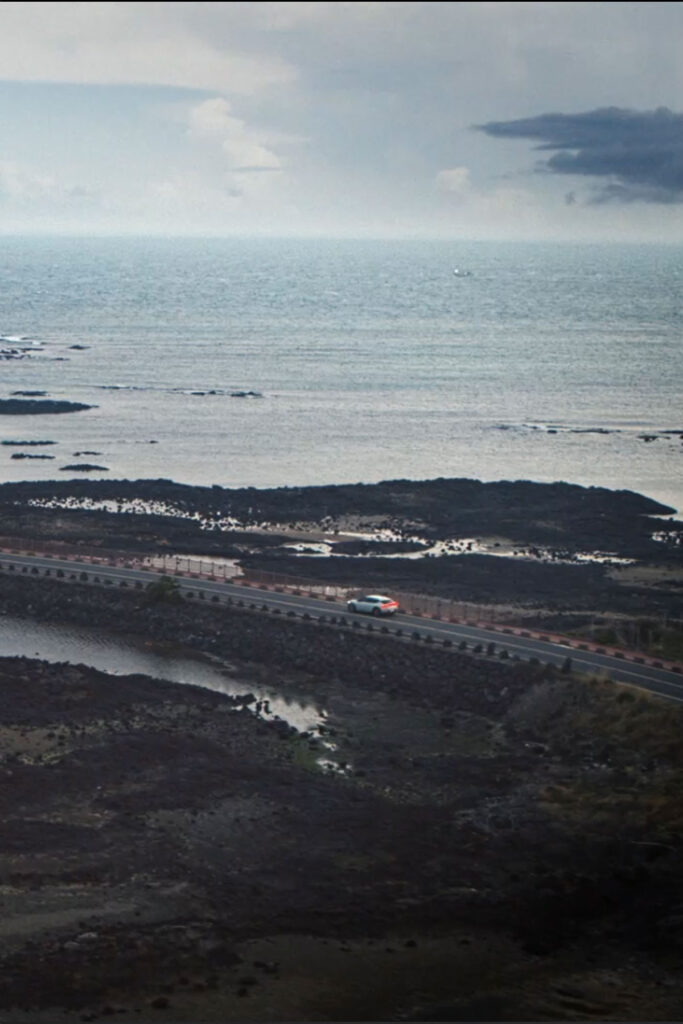
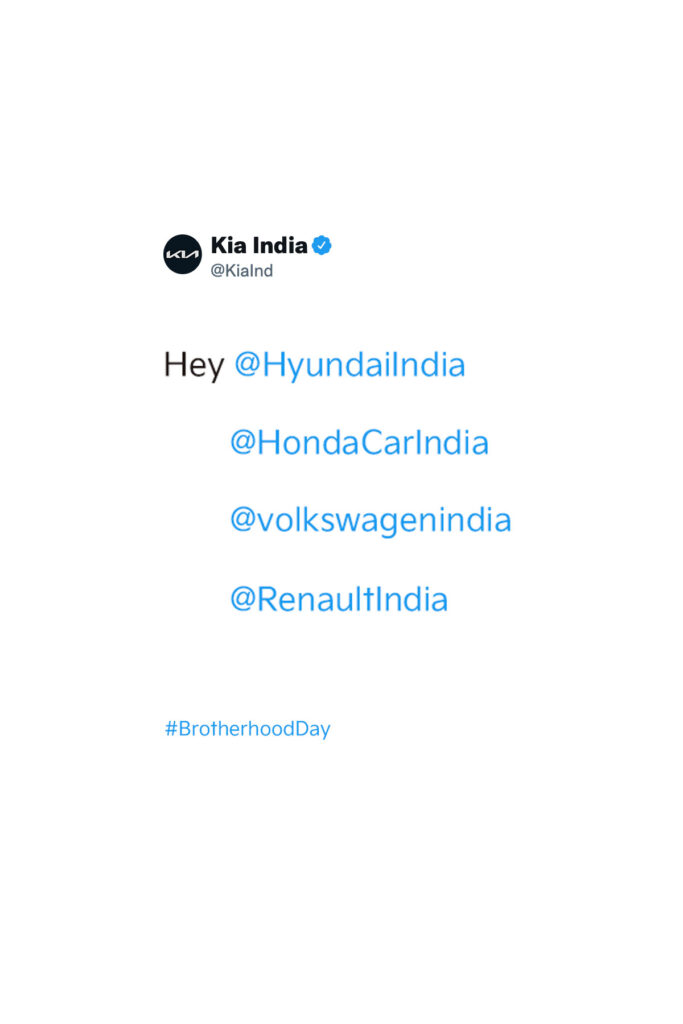
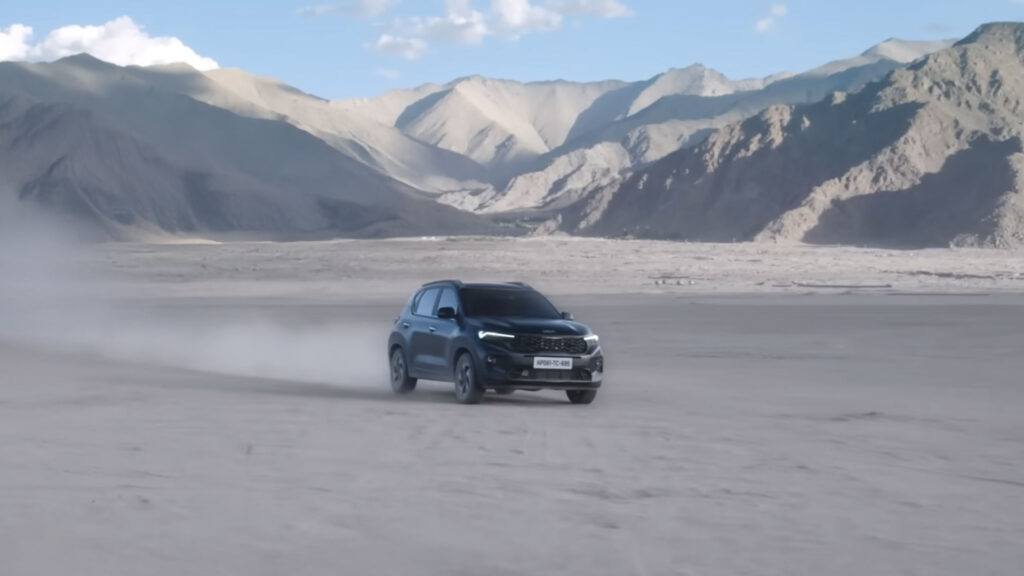
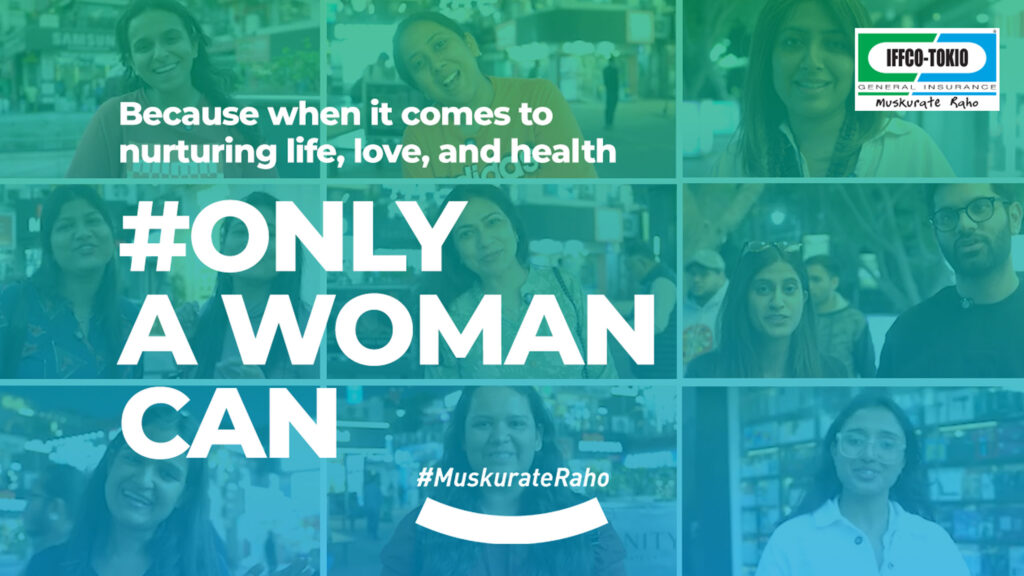
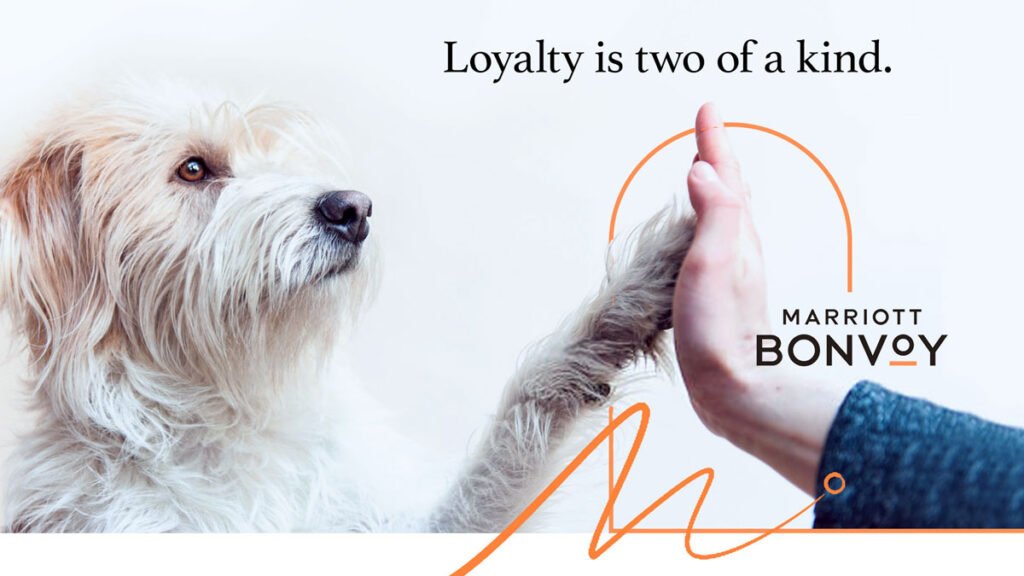
In 2022, I joined Innocean India to lead Kia India’s digital and social mandate. Twenty years of learning arriving at one brief. Kia has global brand frameworks; India has festivals, cricket and cultural moments that move at a completely different speed. What you’ll see below is how we built two parallel systems: brand campaigns that launched products, and topical content that kept the brand alive every single day.
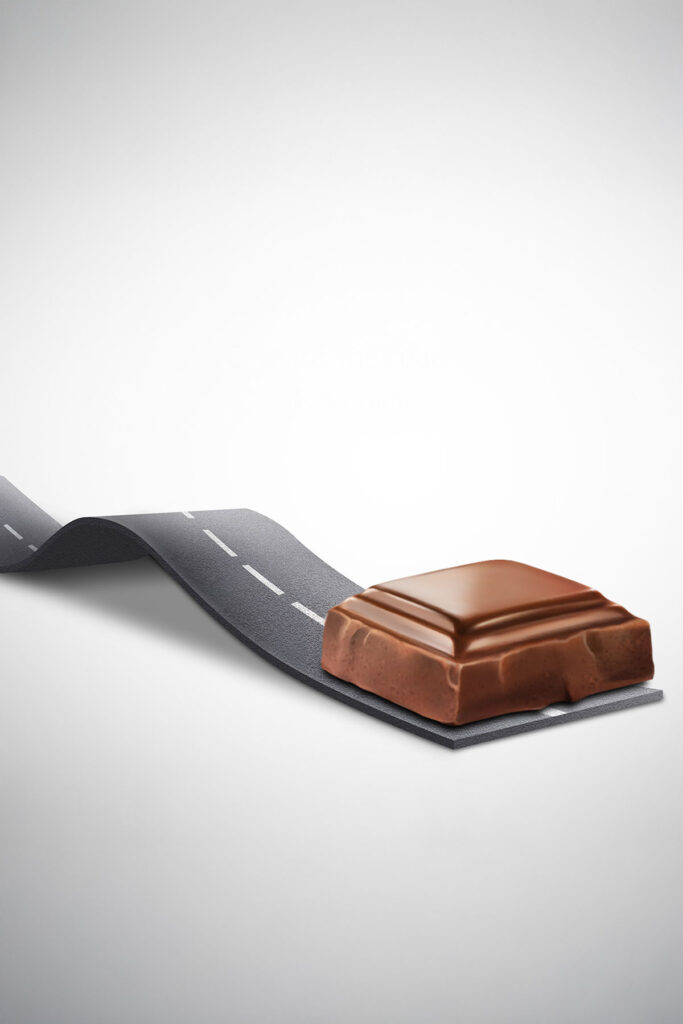
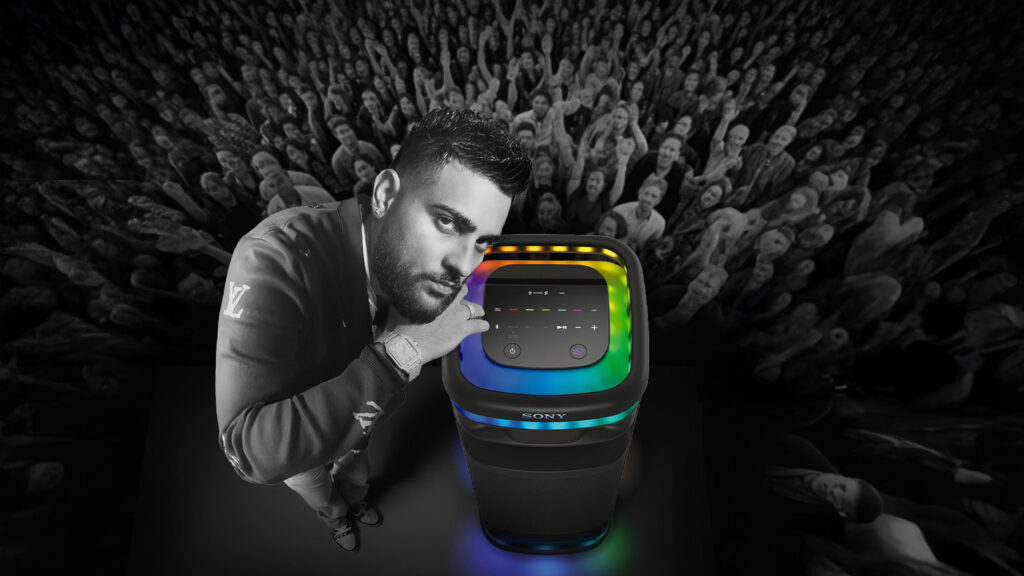
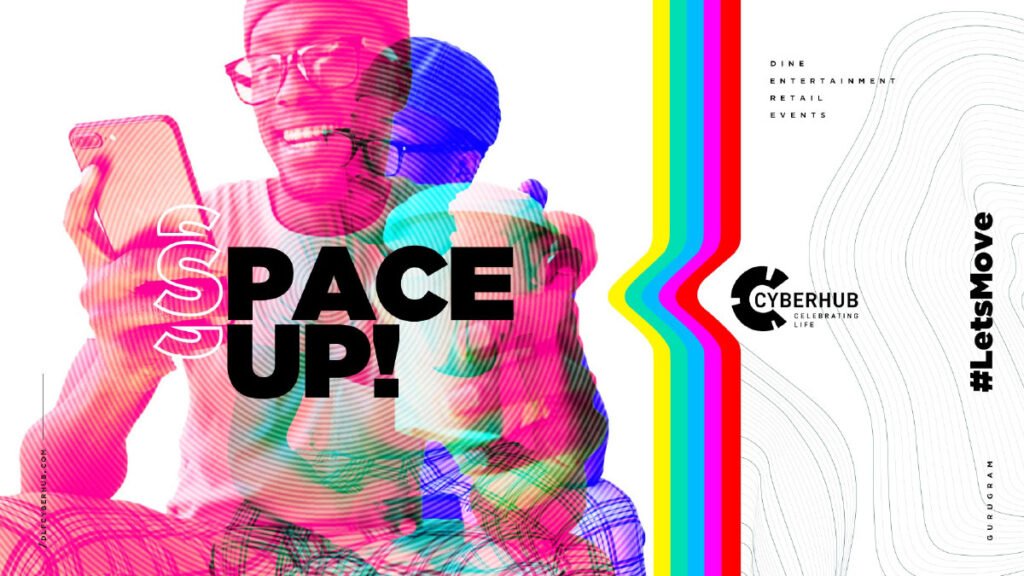
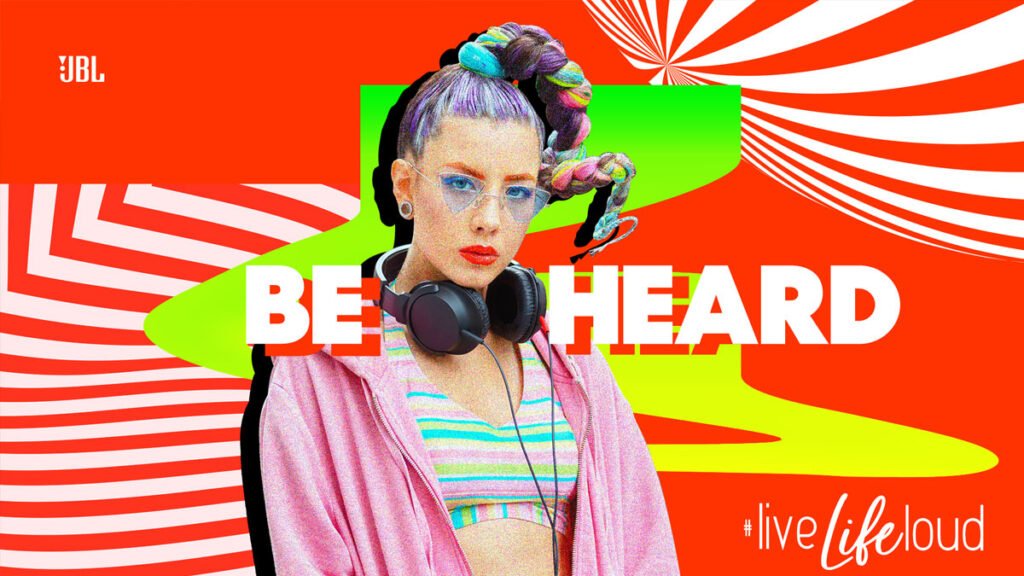
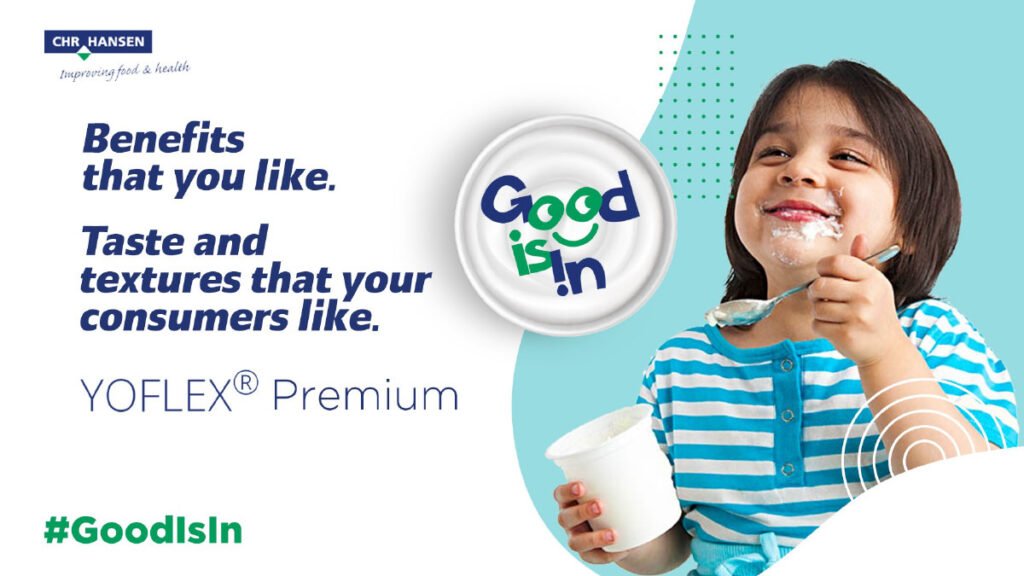
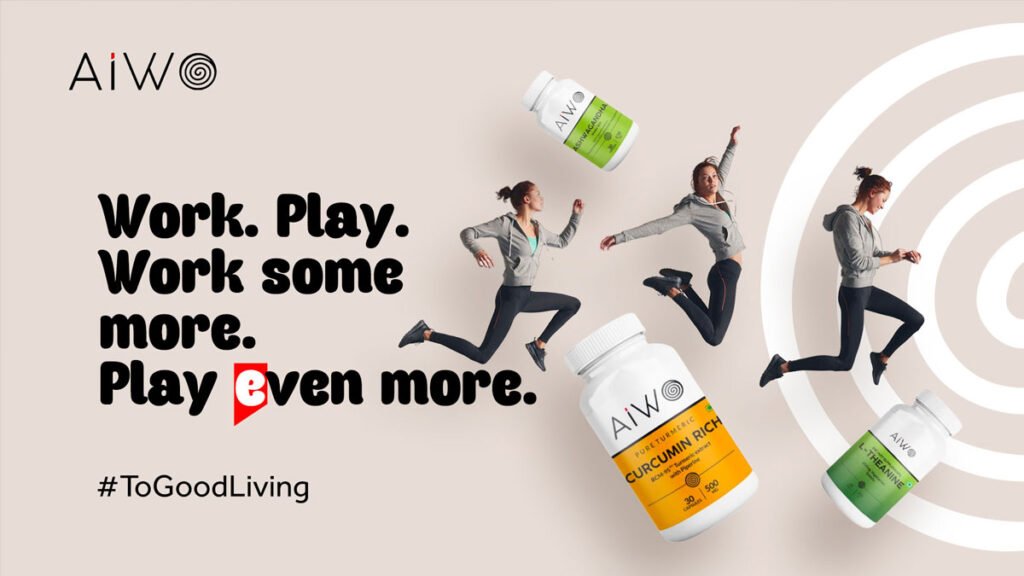
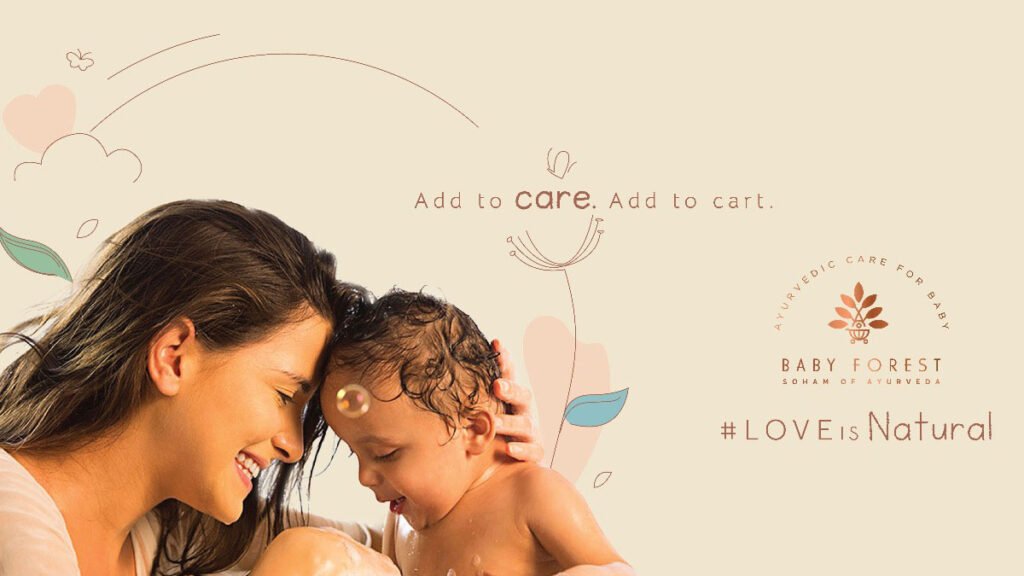
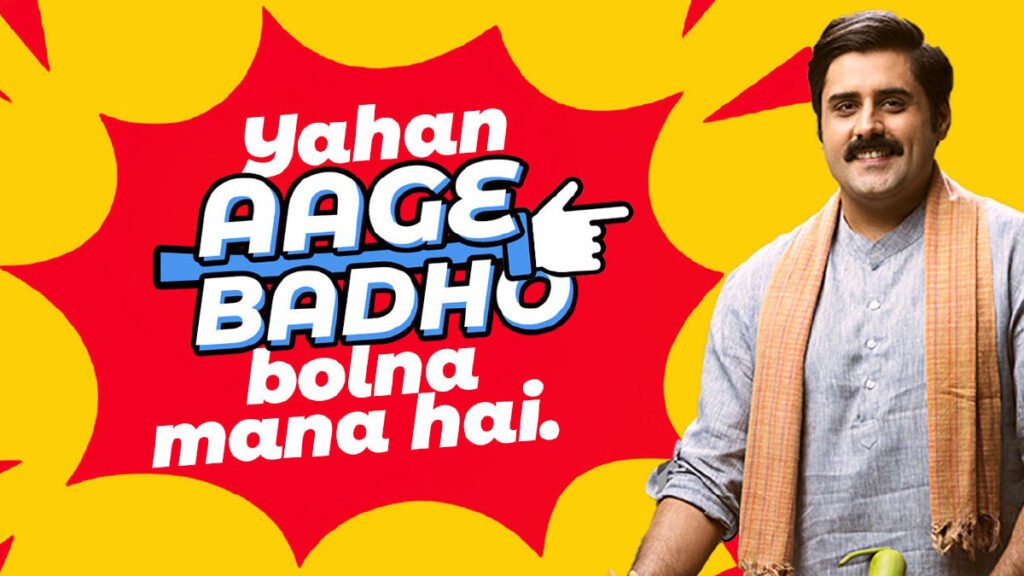
Growth pulled me beyond Kia into multi-brand, non-auto work across categories. And alongside every active mandate ran a parallel pitch cycle. Some won, some didn’t, all of them shaped how I think. The work across all three tracks is here.
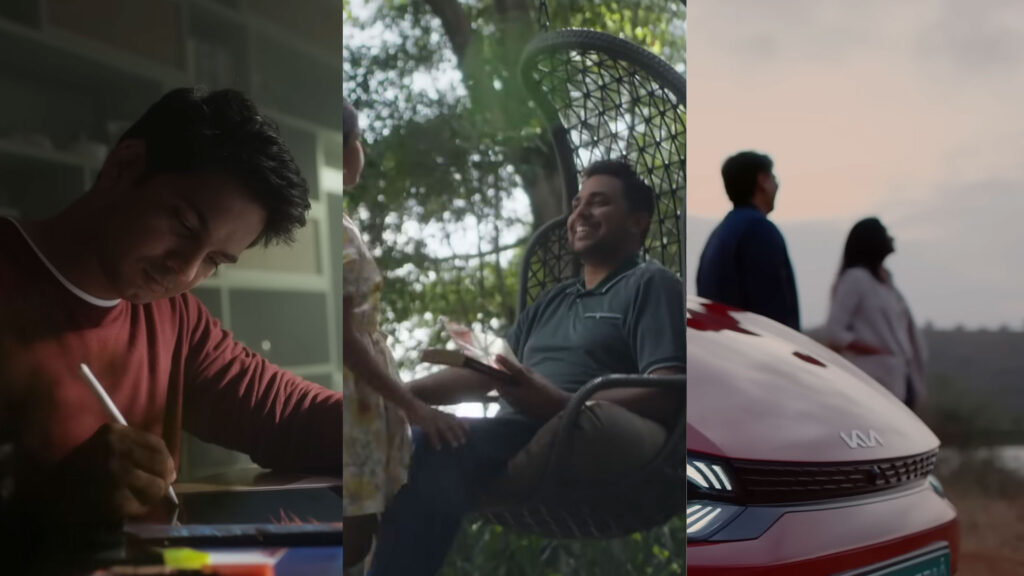

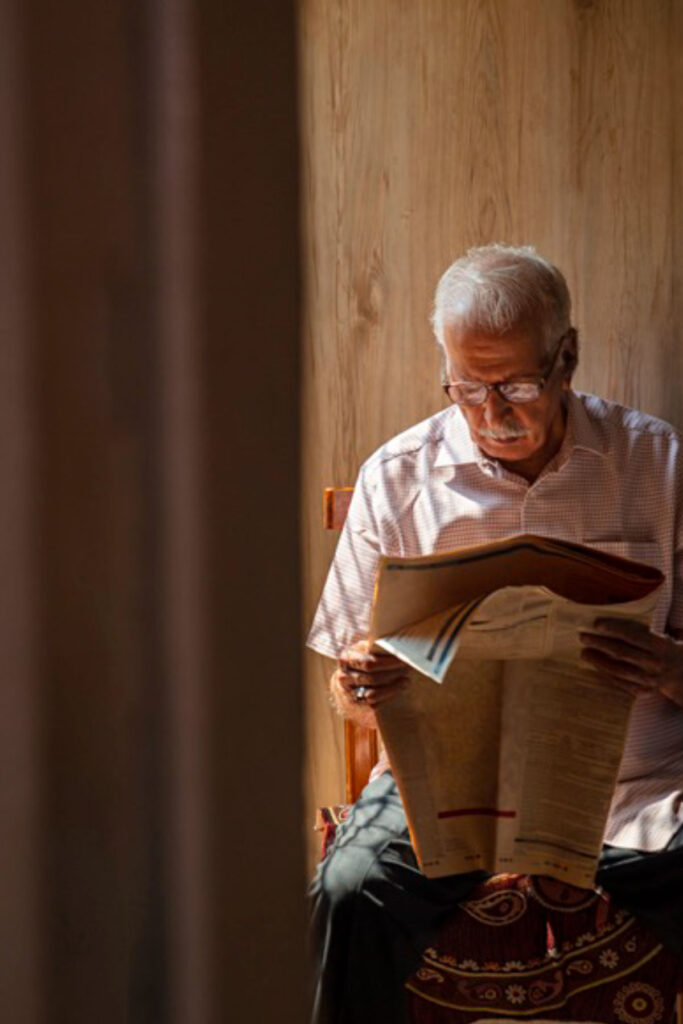
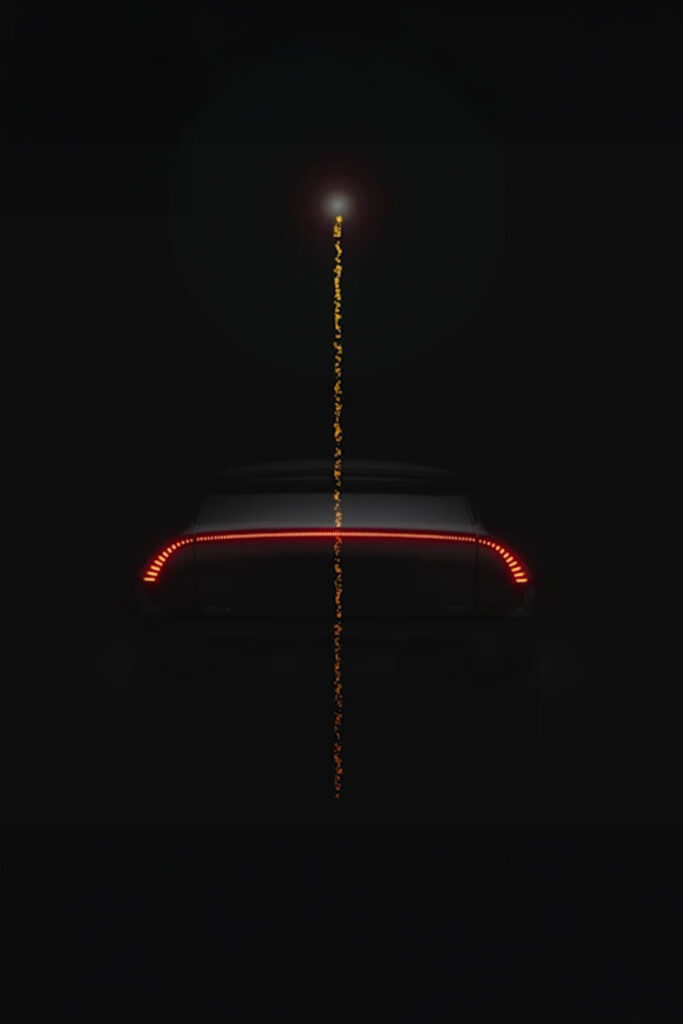
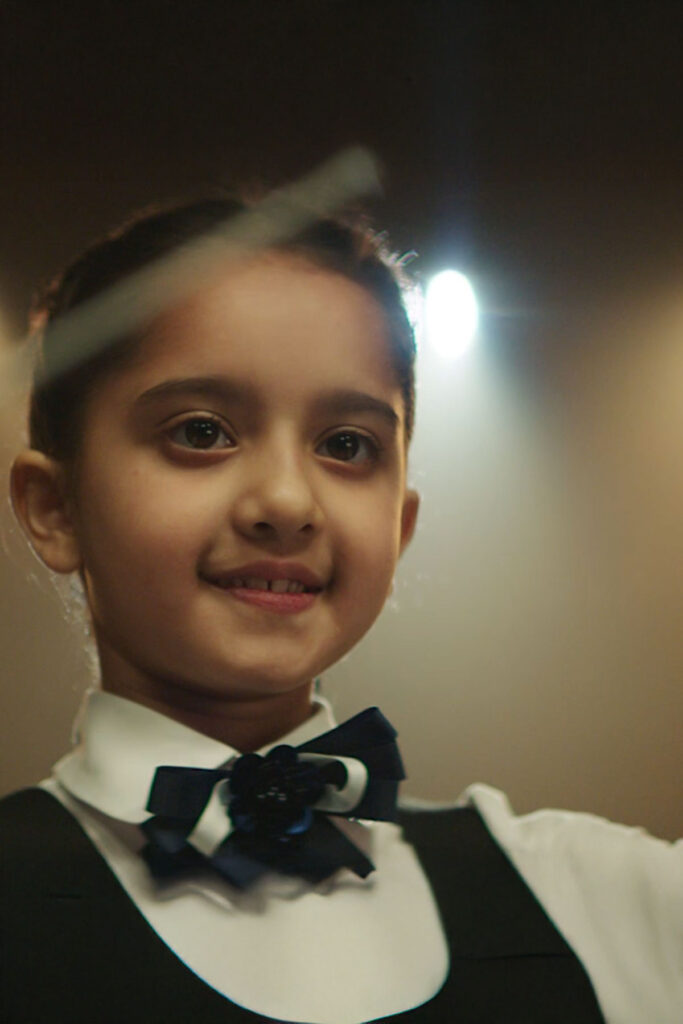
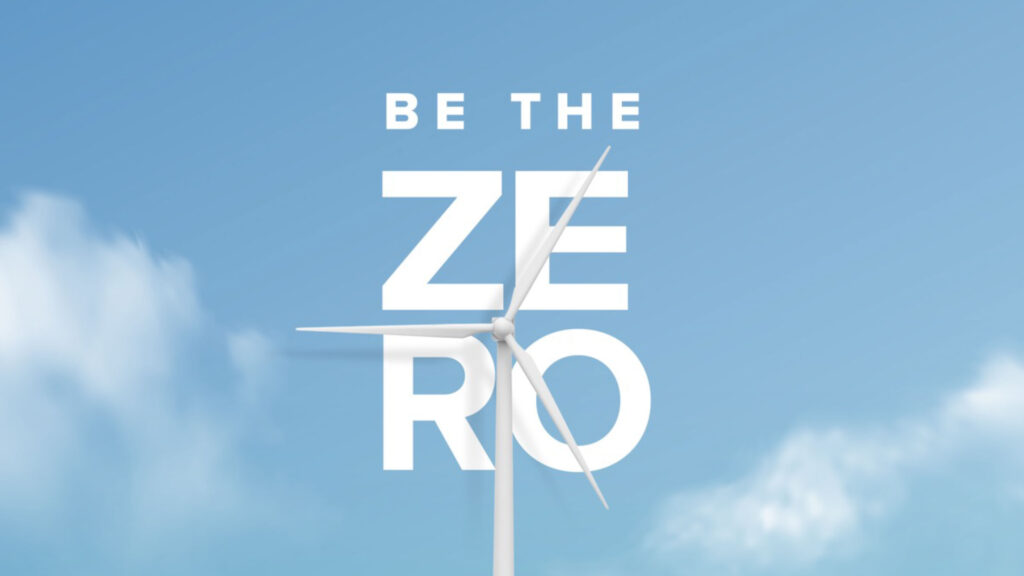
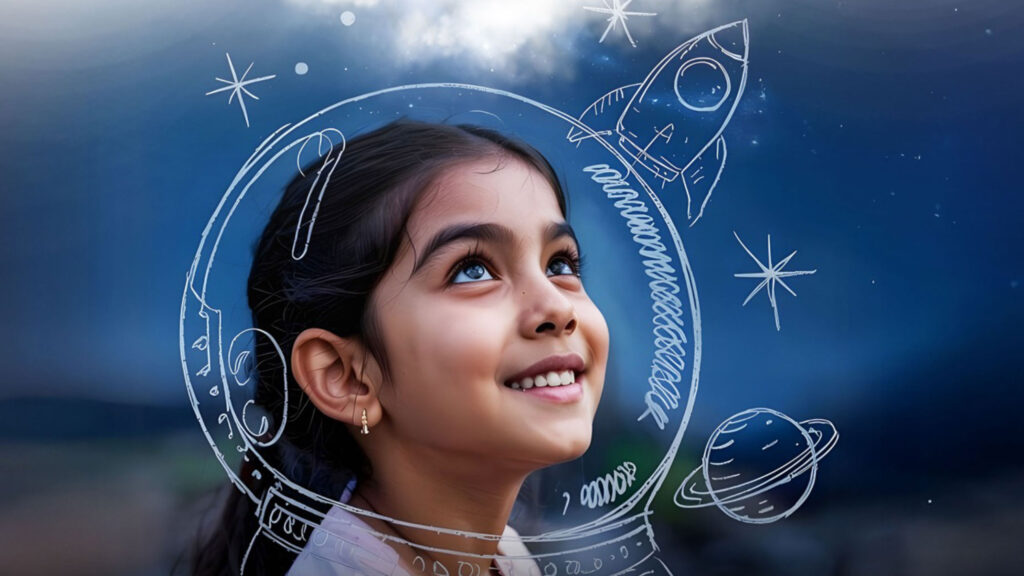
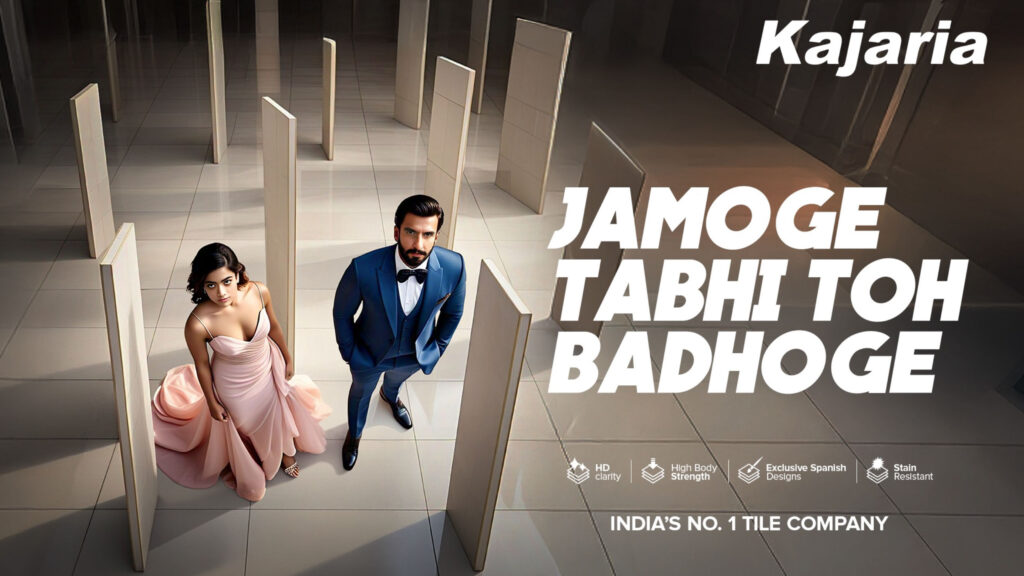
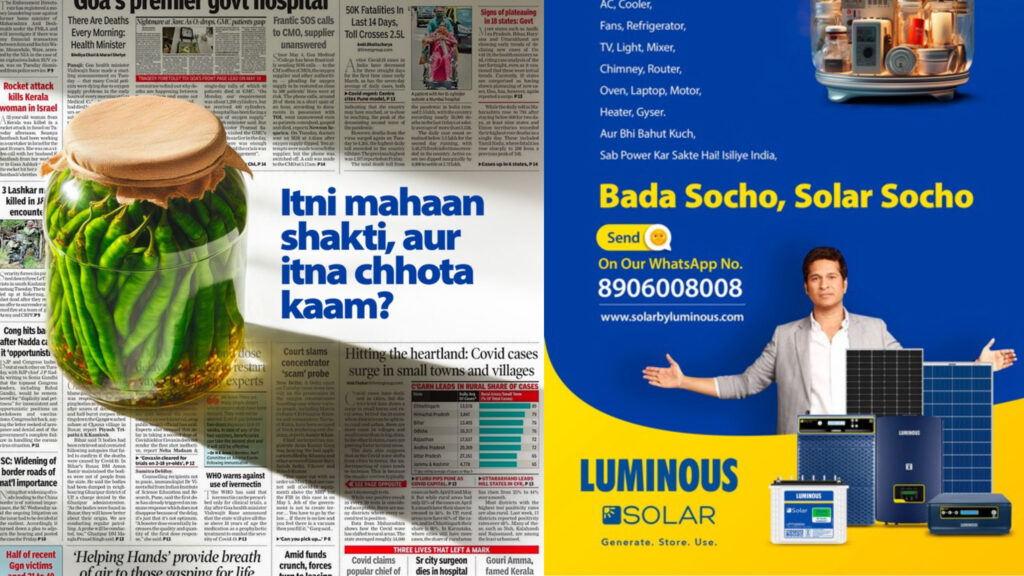
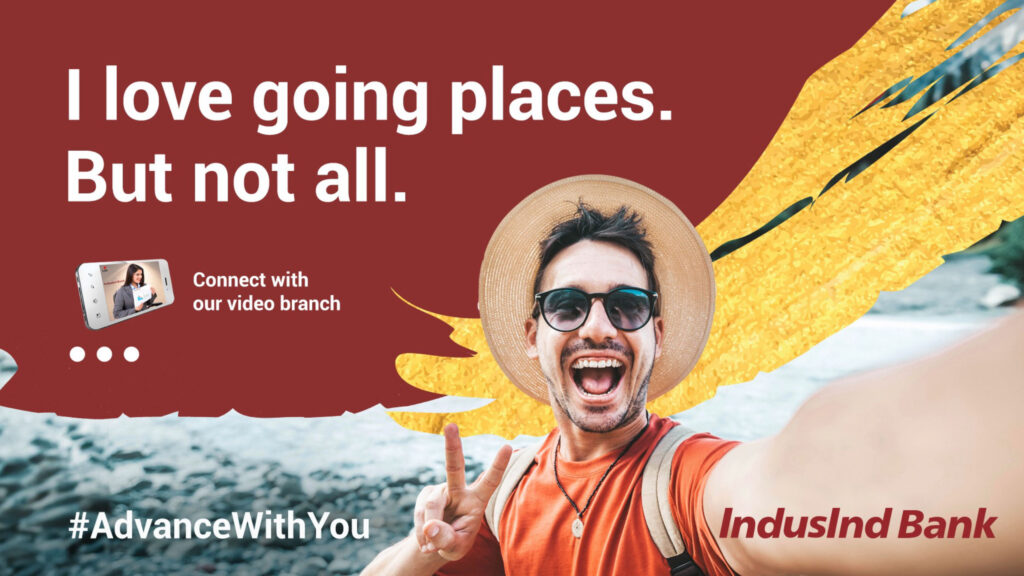

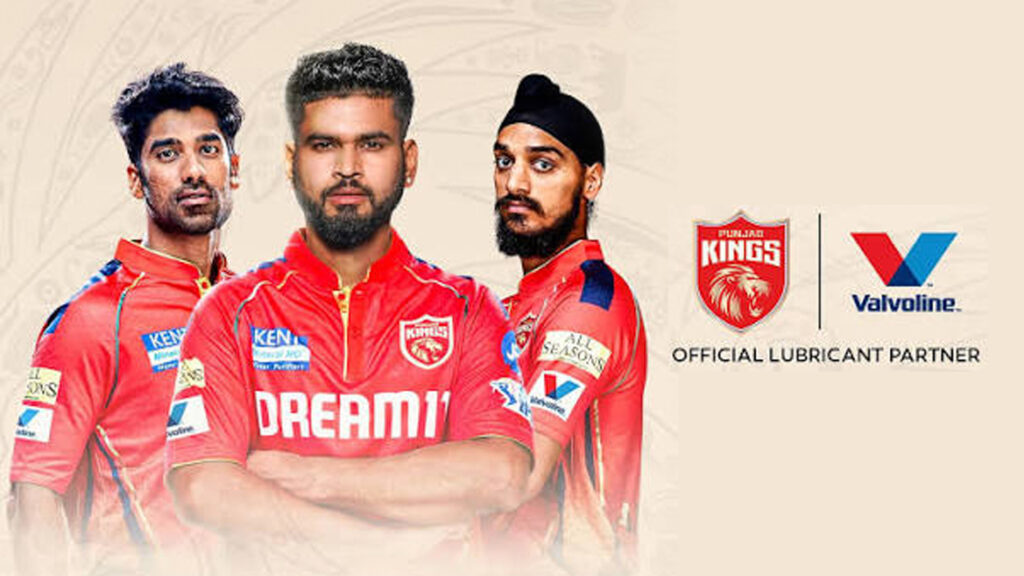
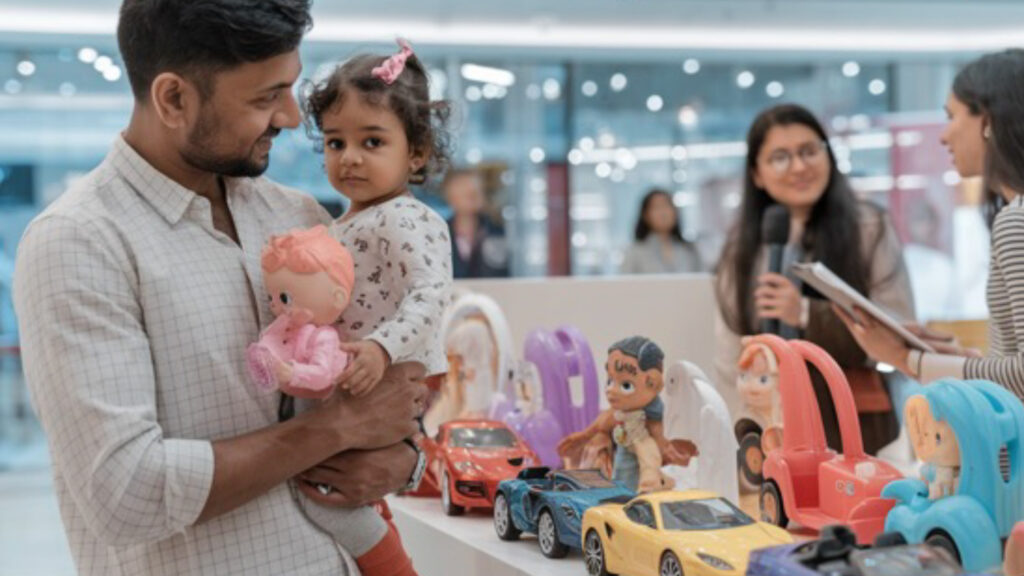
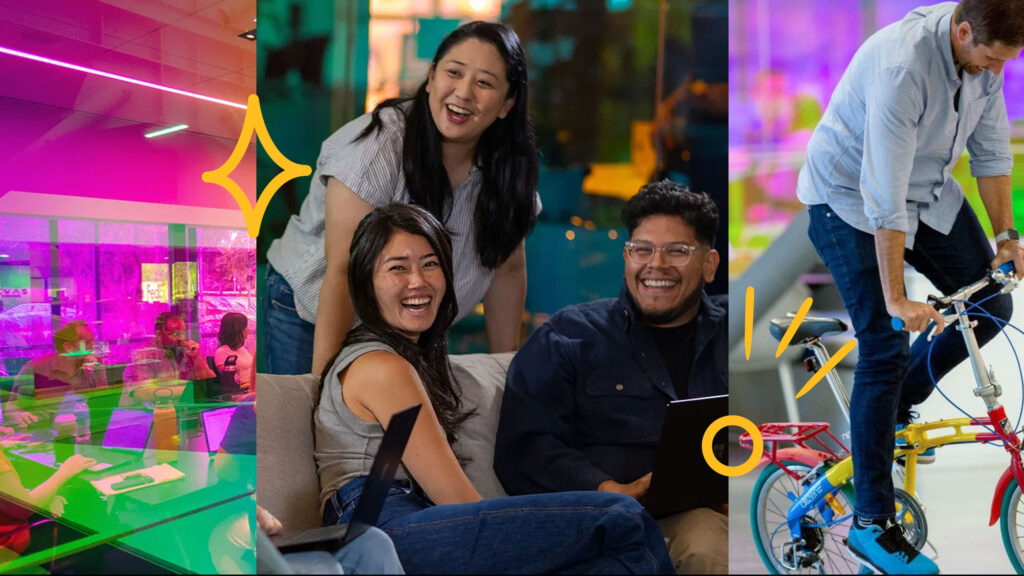
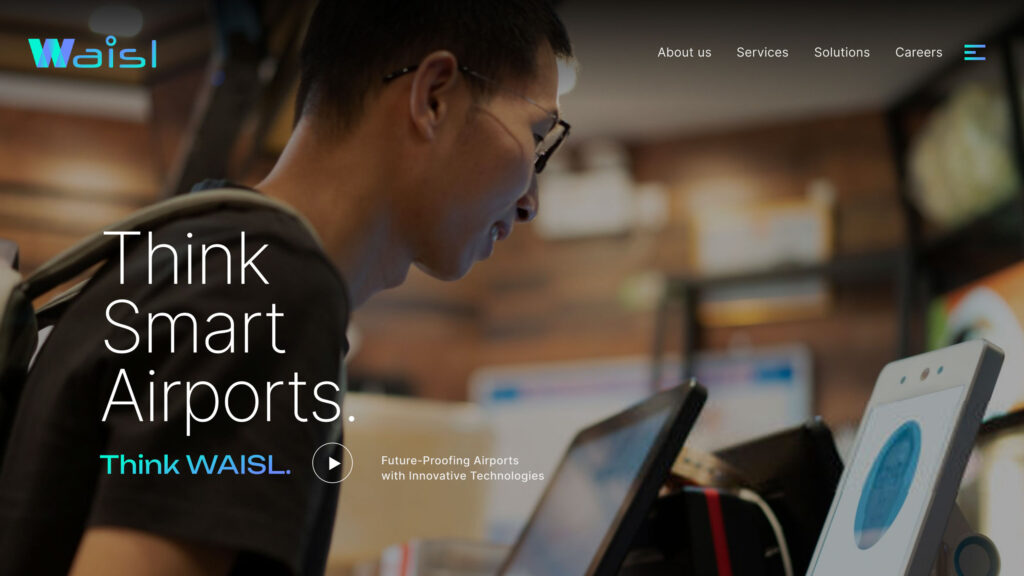
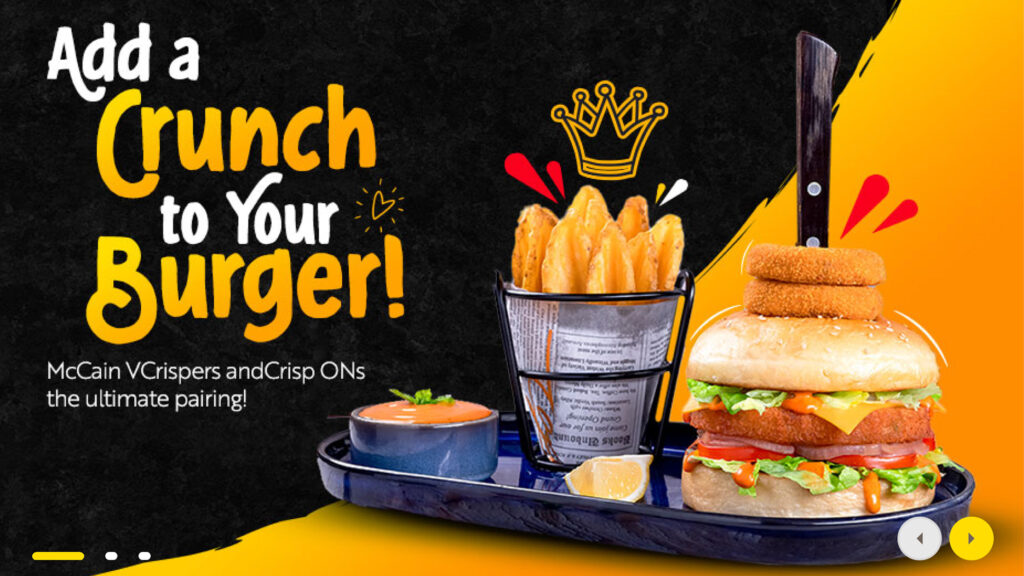

But none of this happened overnight. Before the brief was this big, I had to rebuild from scratch.
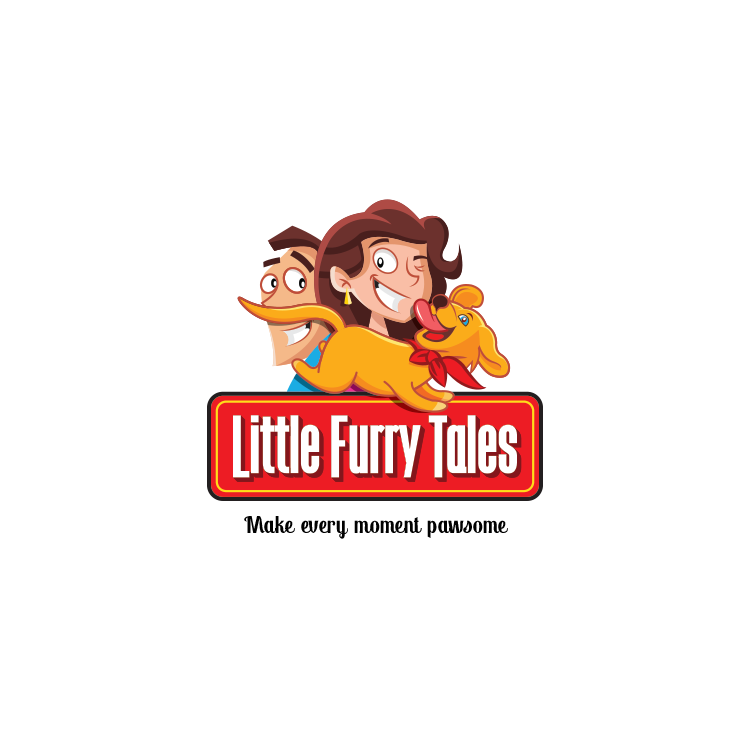
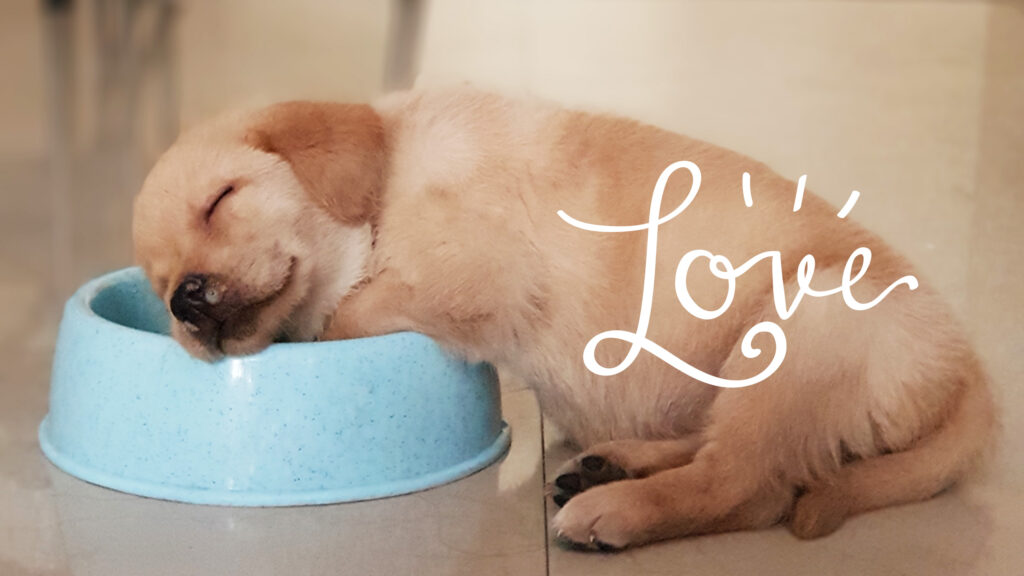
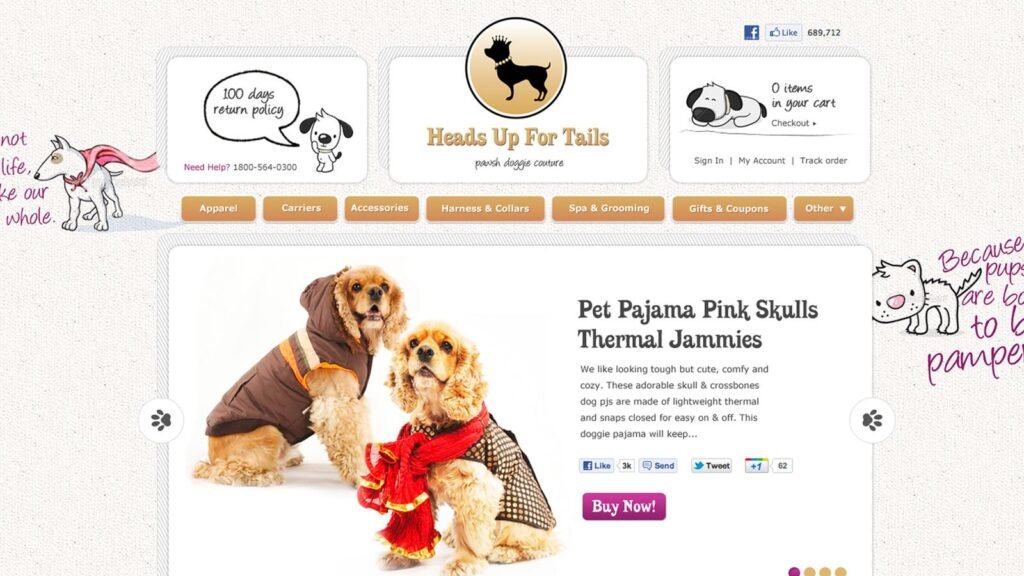
In October 2019 I walked away from agencies to build something of my own: Little Furry Tales, a D2C pet clothing brand. Three months later the pandemic arrived. The full brand work is the first thing you’ll see below: identity, packaging, ecommerce, social. Everything built from nothing.
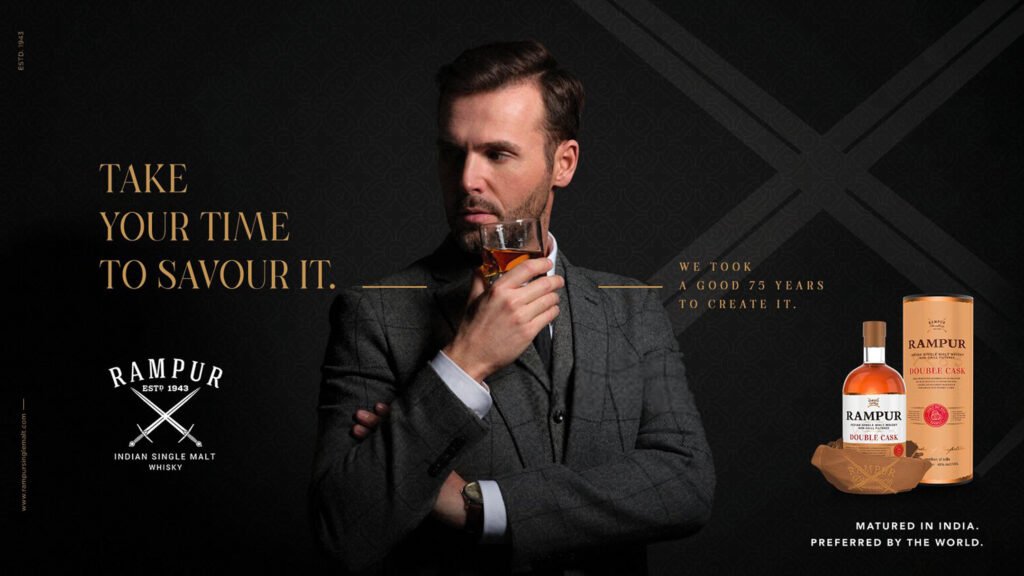
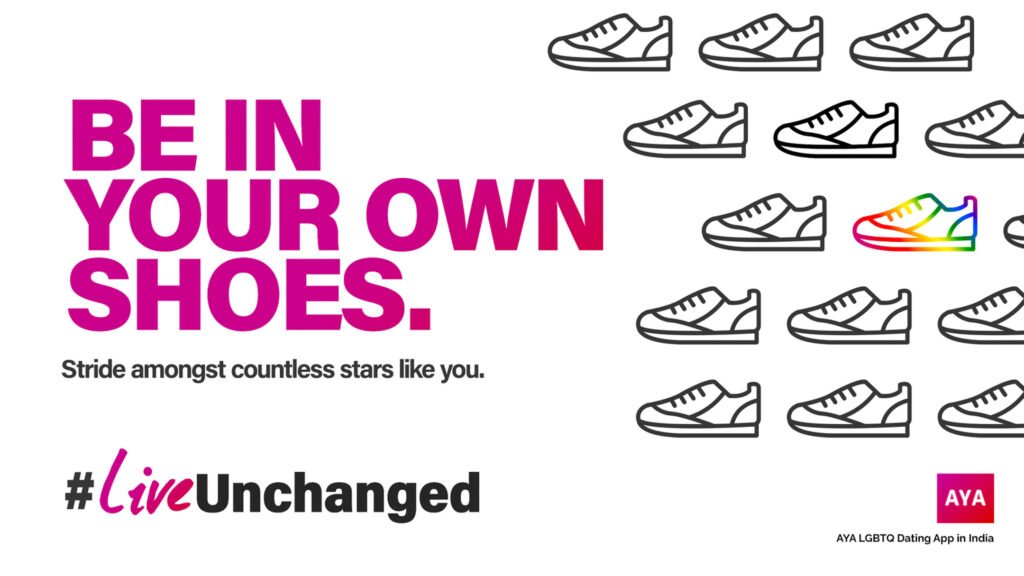
While things stabilised I shifted into consulting, keeping the work moving while the world recalibrated. In April 2021 I joined Mixed Route Juice, bringing two years of rebuilding with me. The consulting work, the MRJ client mandates, the campaigns and pitch work that followed, all laid out in sequence below.



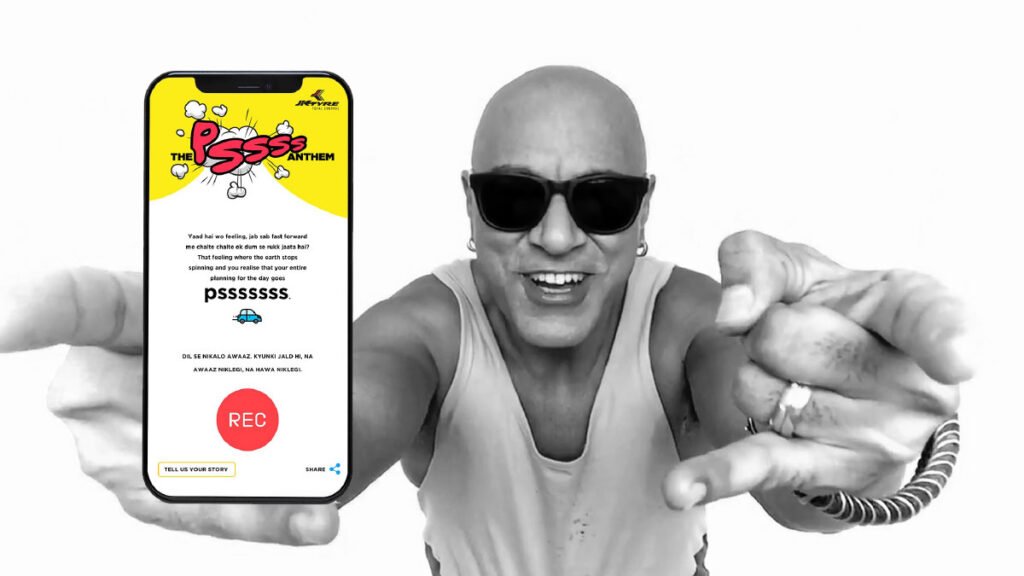
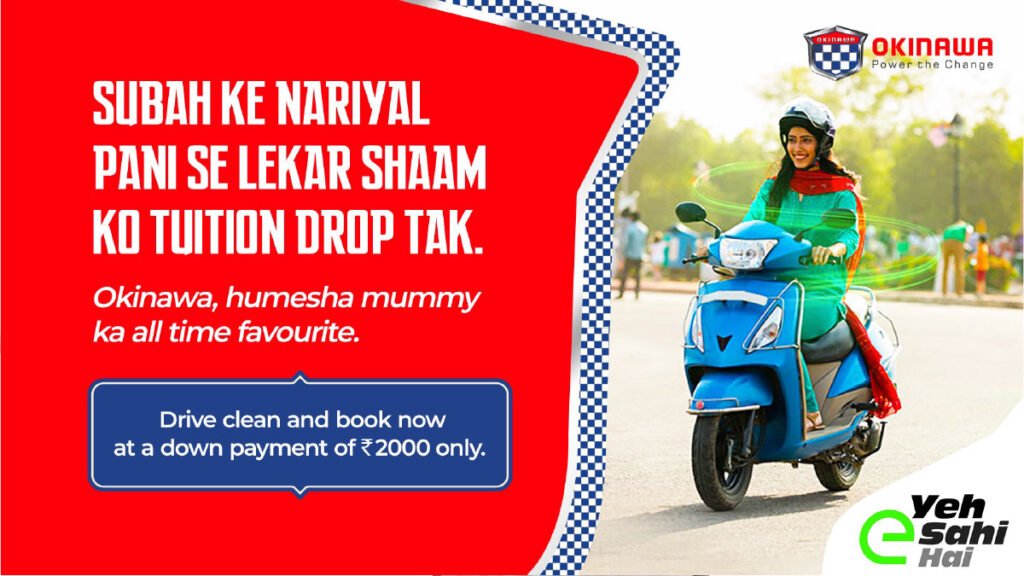
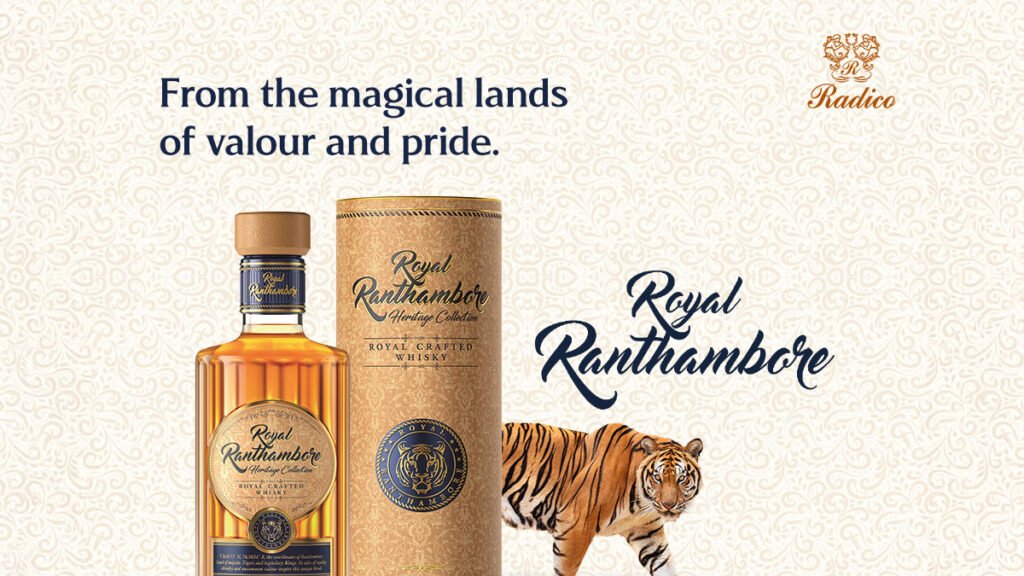
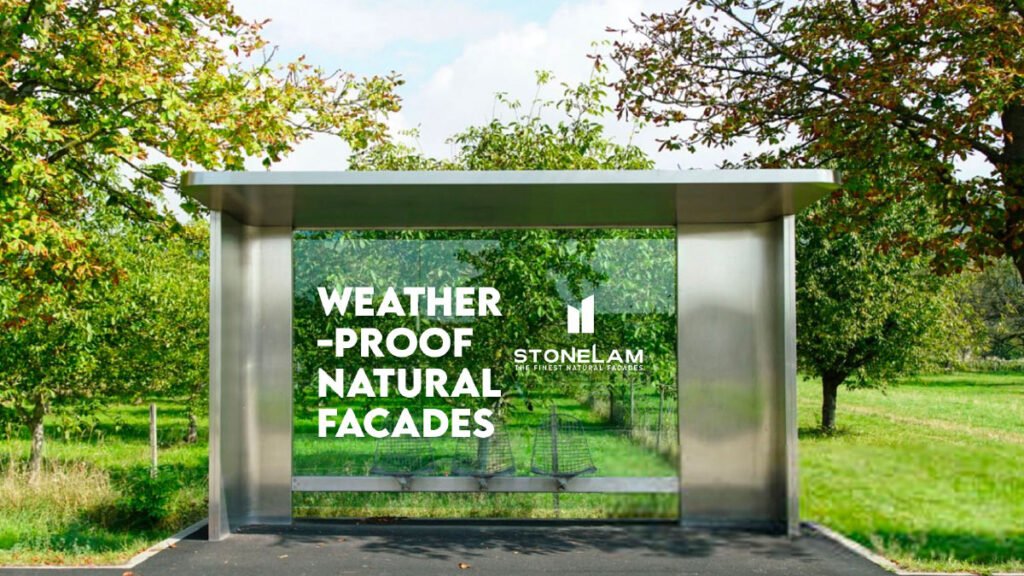


Before I could rebuild alone, I had to learn what it meant to lead others.

In October 2018 I joined Indigo Consulting to lead the Gurgaon creative team. The shift from making to leading had been building for years. This made it official. The work became less about what I was producing and more about creating the conditions for others to do their best. Six brands, thirteen pitch projects across a single year. The brands we served and the pitches we built are below.

But leading people only makes sense once you’ve understood the work itself.

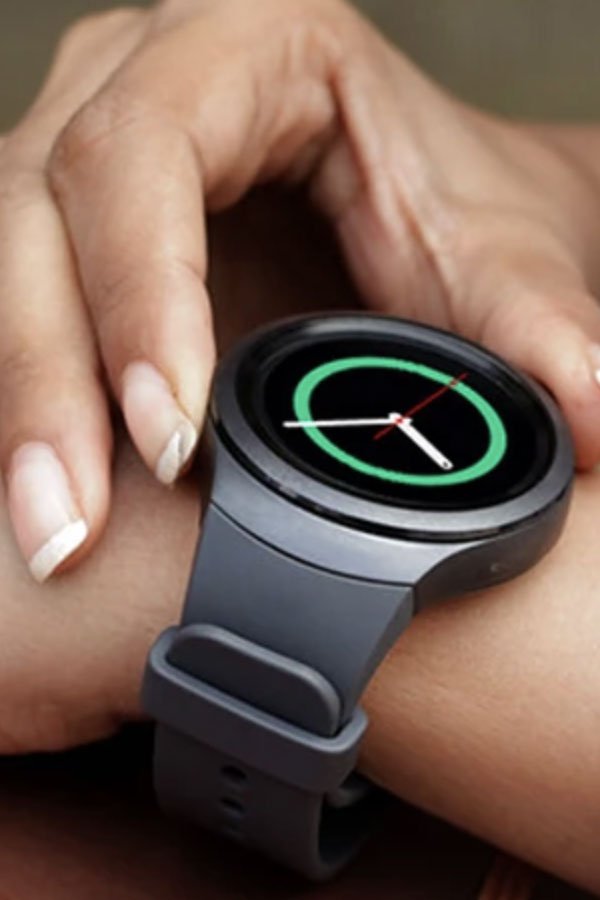
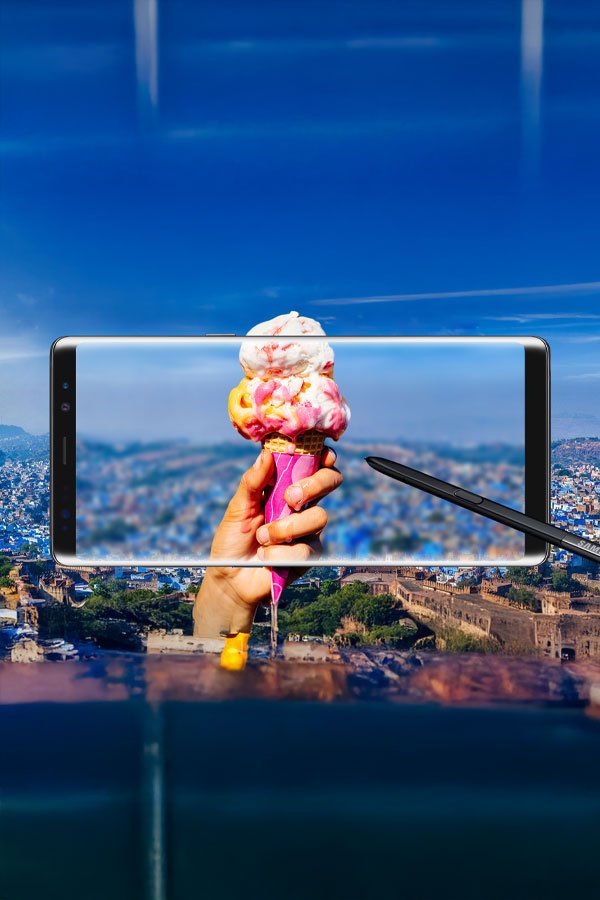
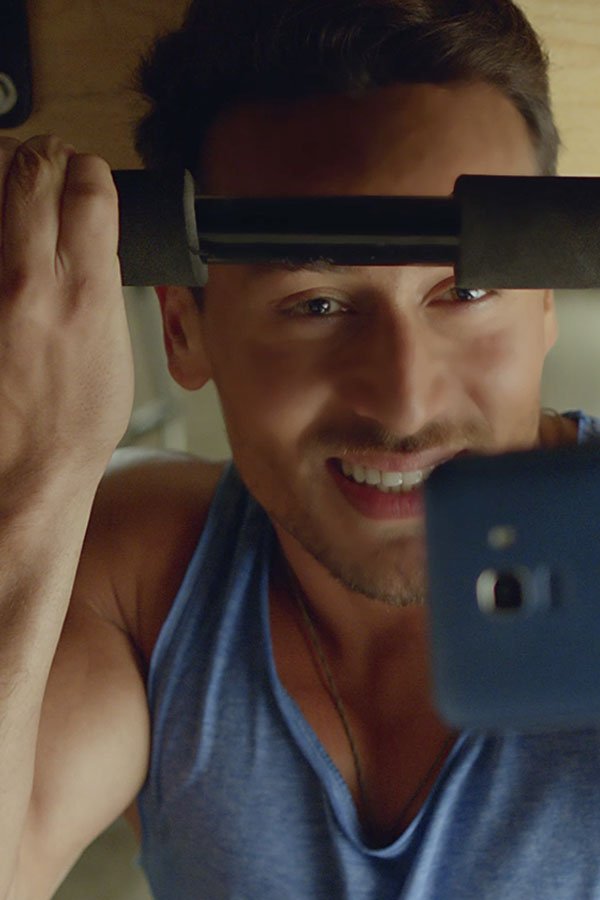
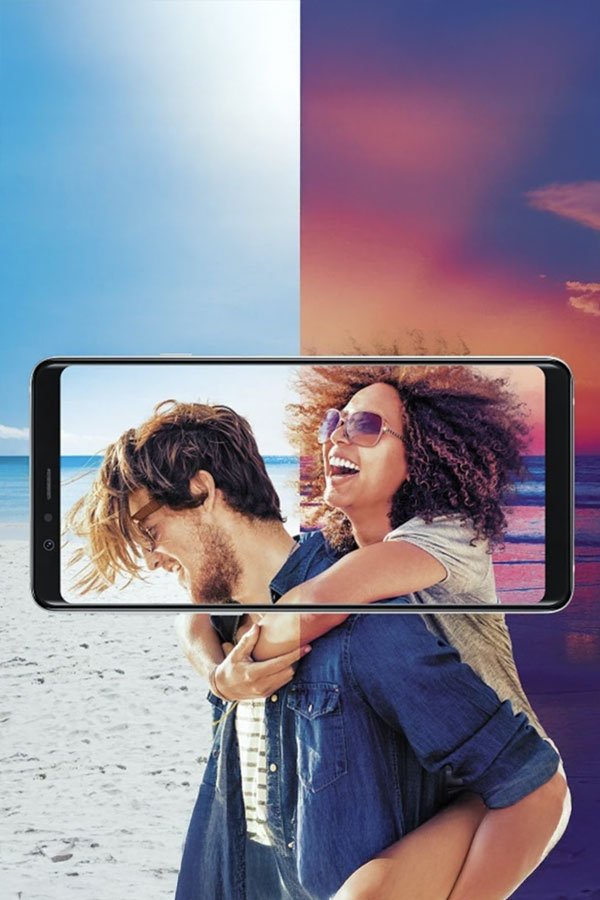
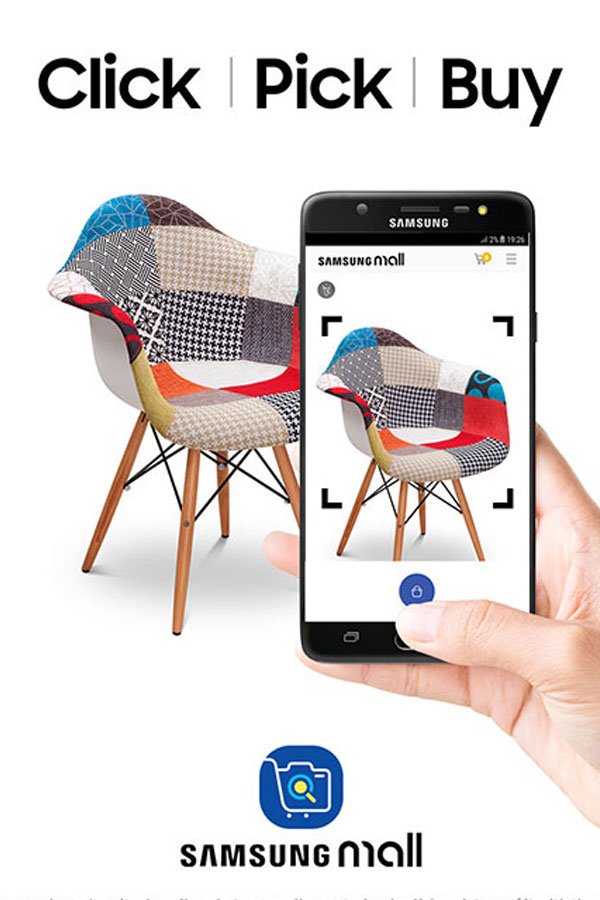
At Cheil, the scale of Samsung changed what work meant. It wasn’t a brand to advertise. It was an ecosystem to build across every medium simultaneously. We were building creator ecosystems years before influencer marketing had a name. Every earlier layer I’d developed, animation, web, code, motion, became useful again, all at once.
Below you’ll find the campaign work, the films and ATL, the pitch projects, and the web and digital work across four years. By the time this chapter closed, the question I was asking had shifted: not “what should this look like?” but “why does this need to exist?”






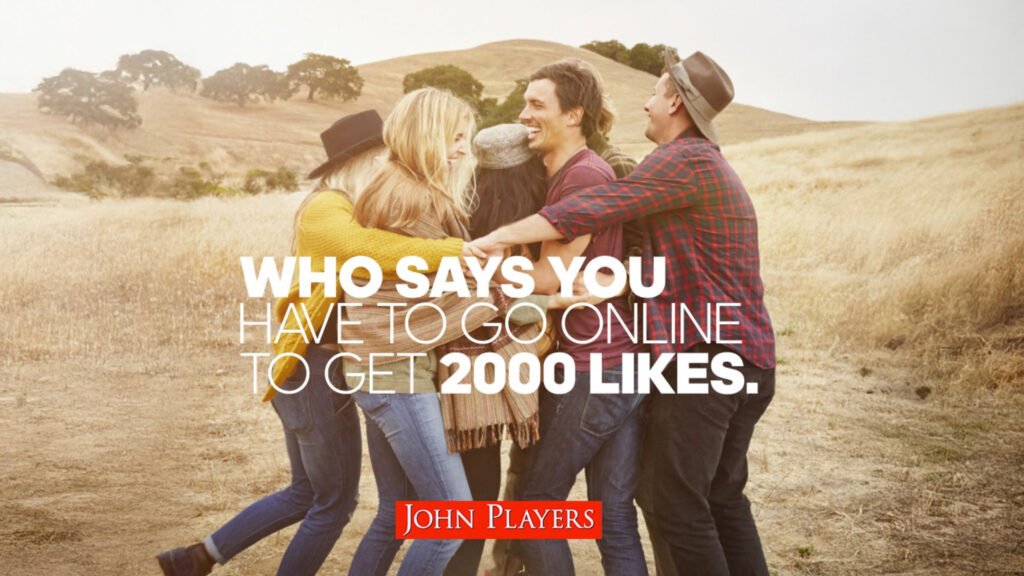


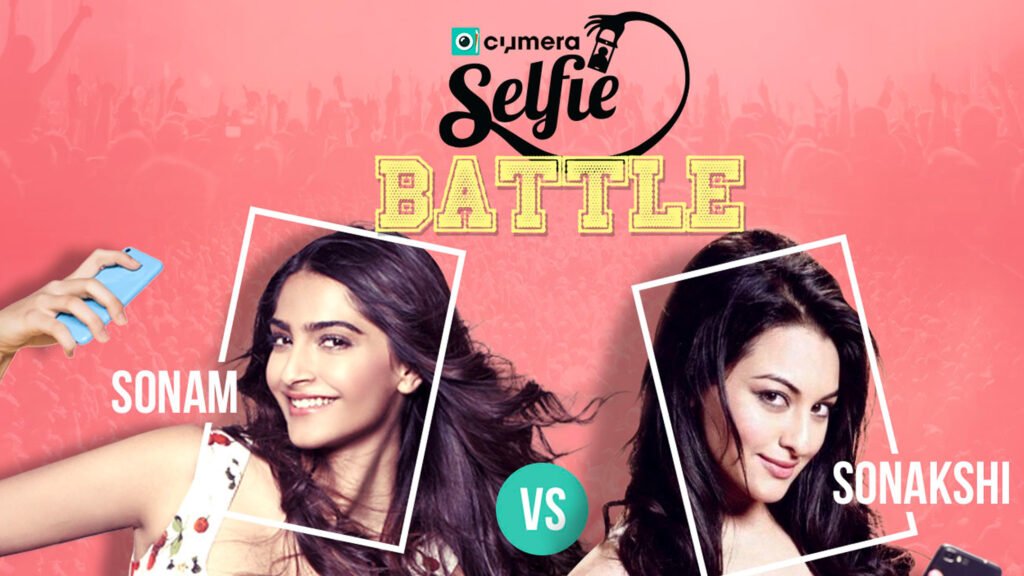
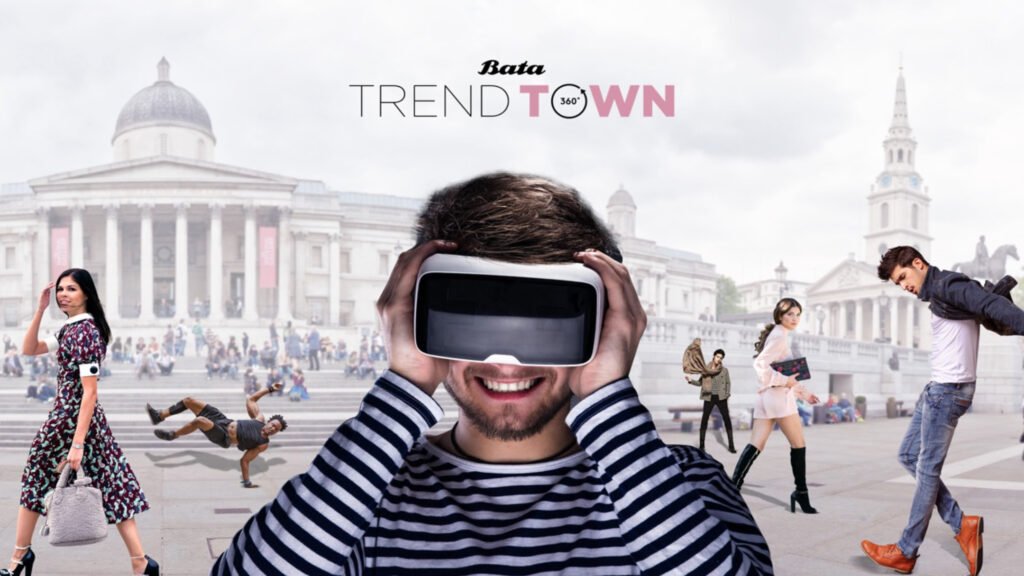
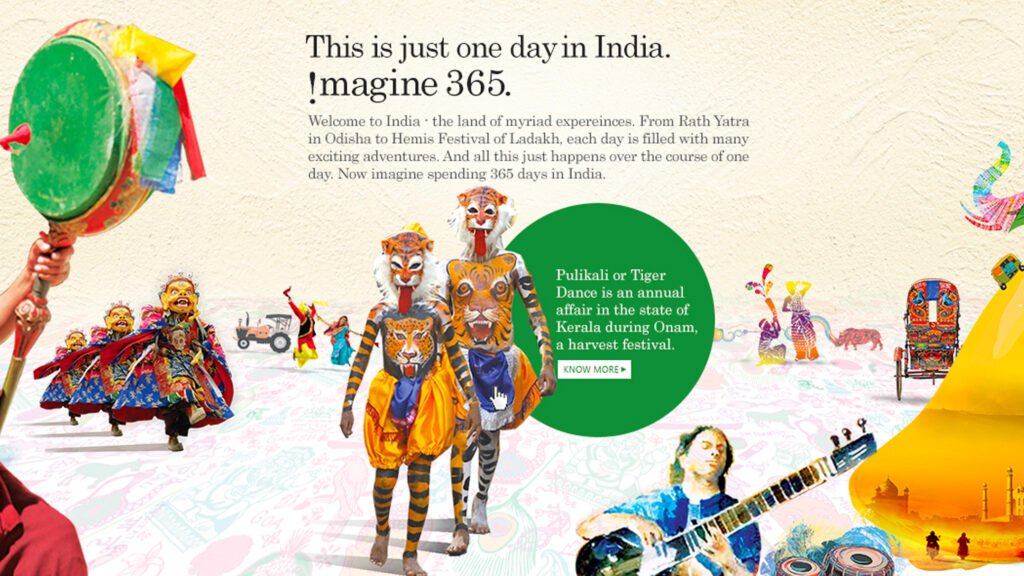
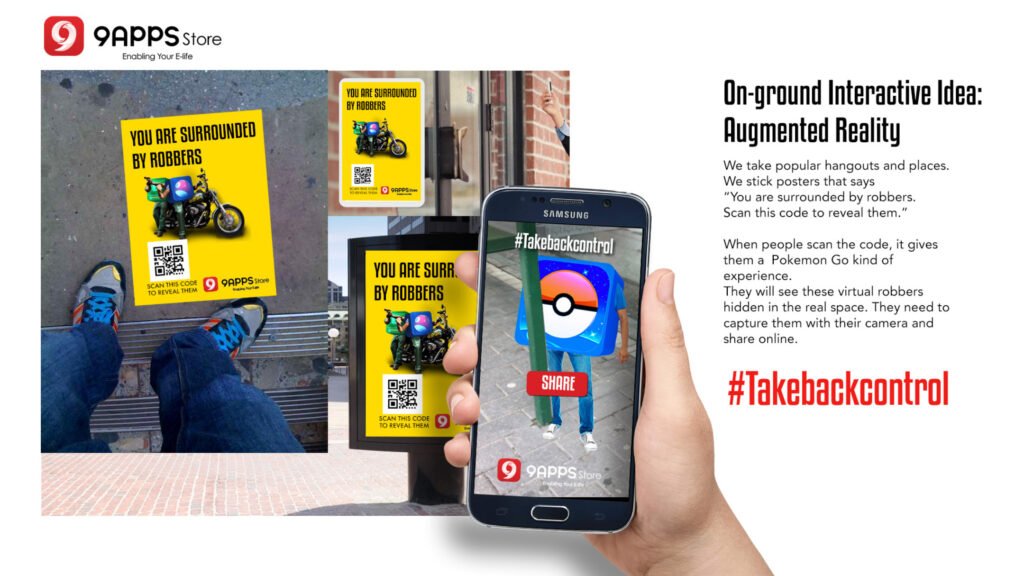


And before ecosystems, there were ideas that needed to travel across mediums first.


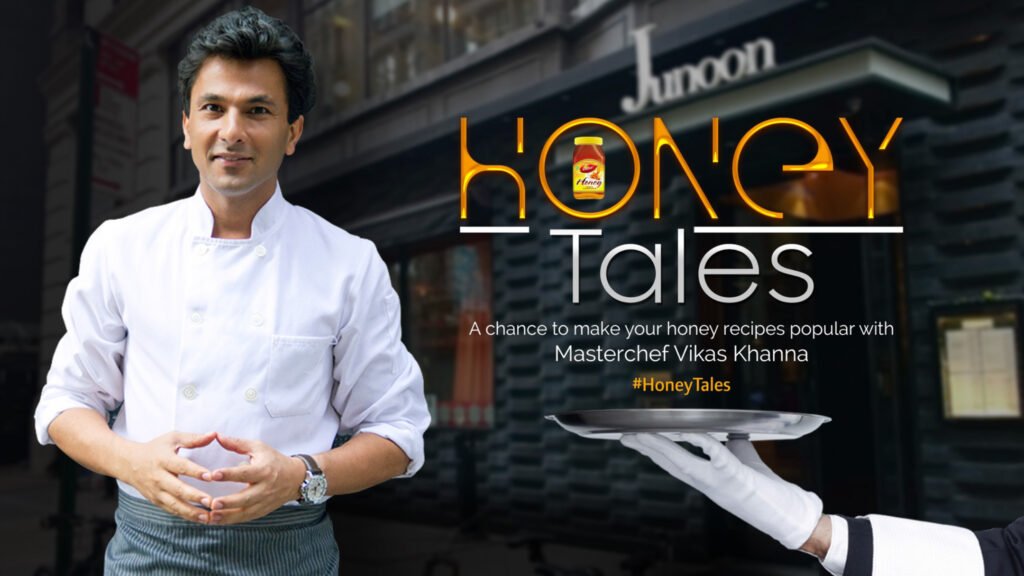
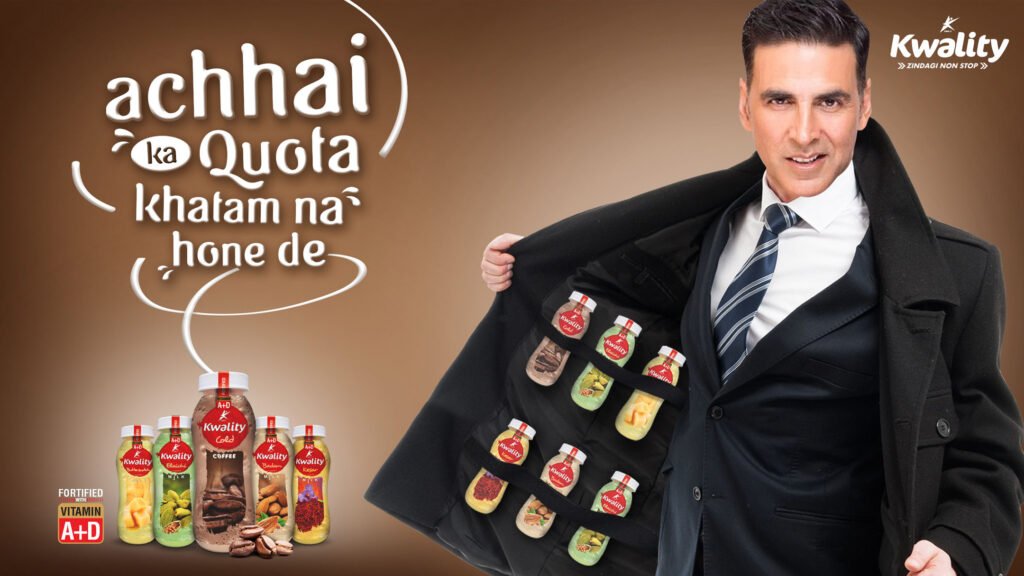
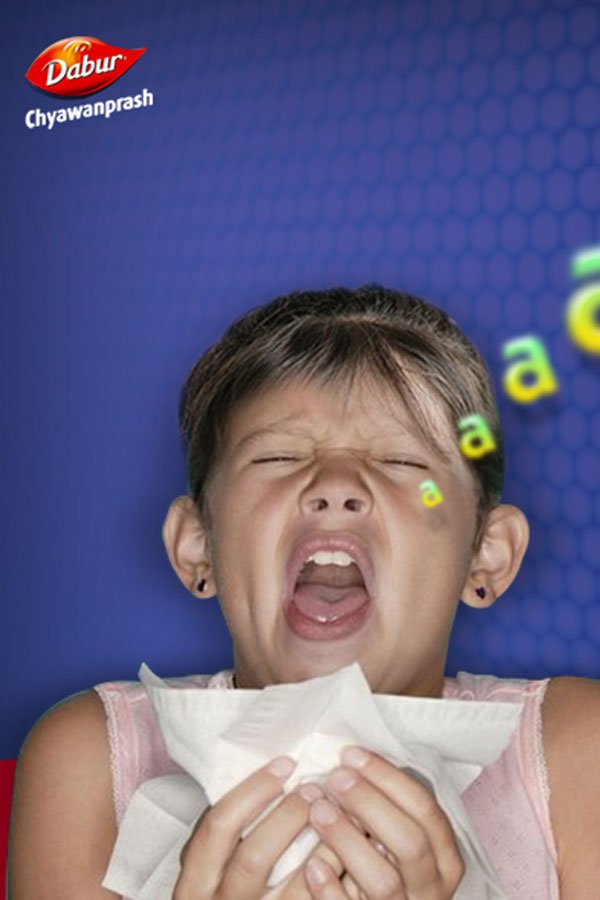
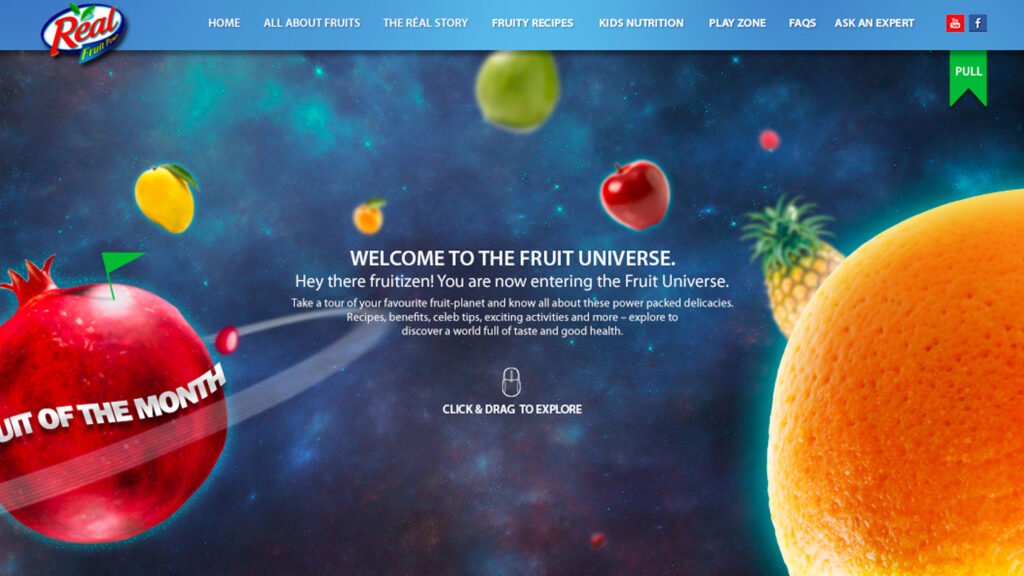
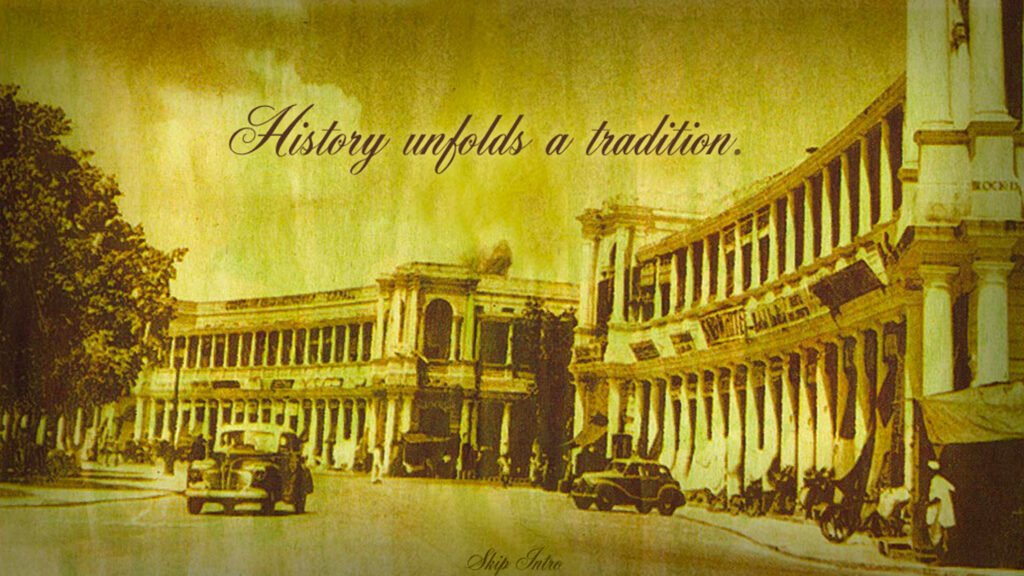
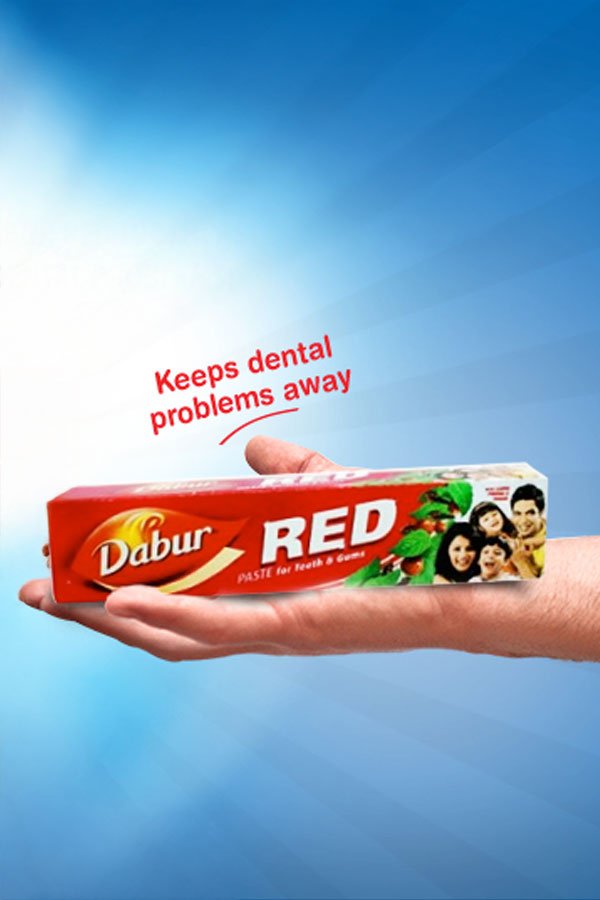
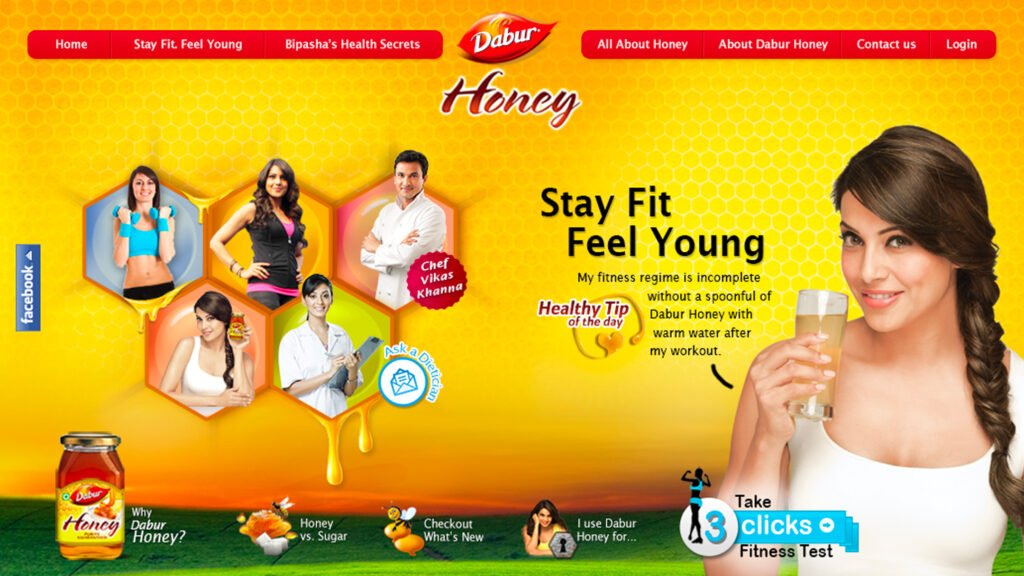
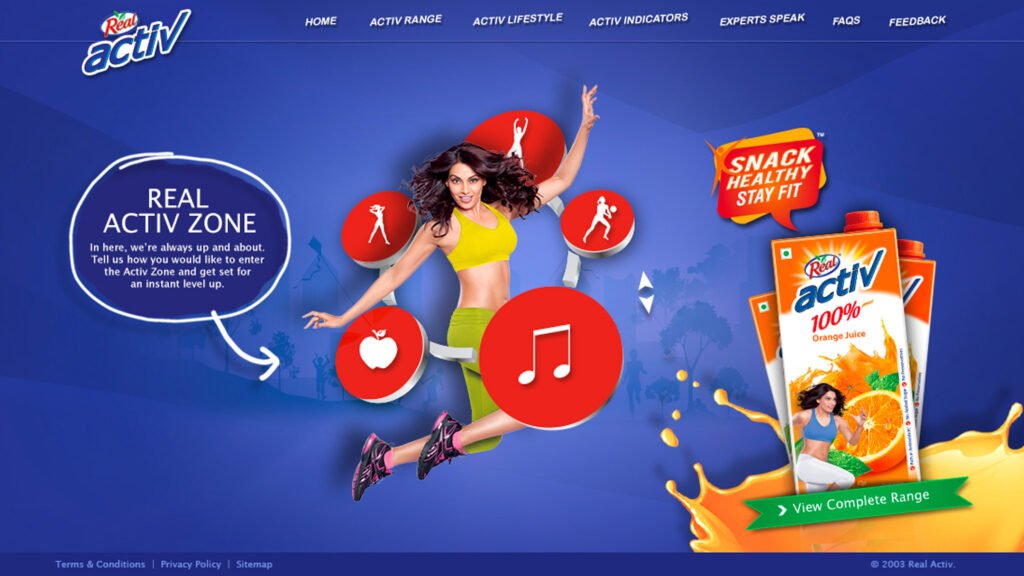
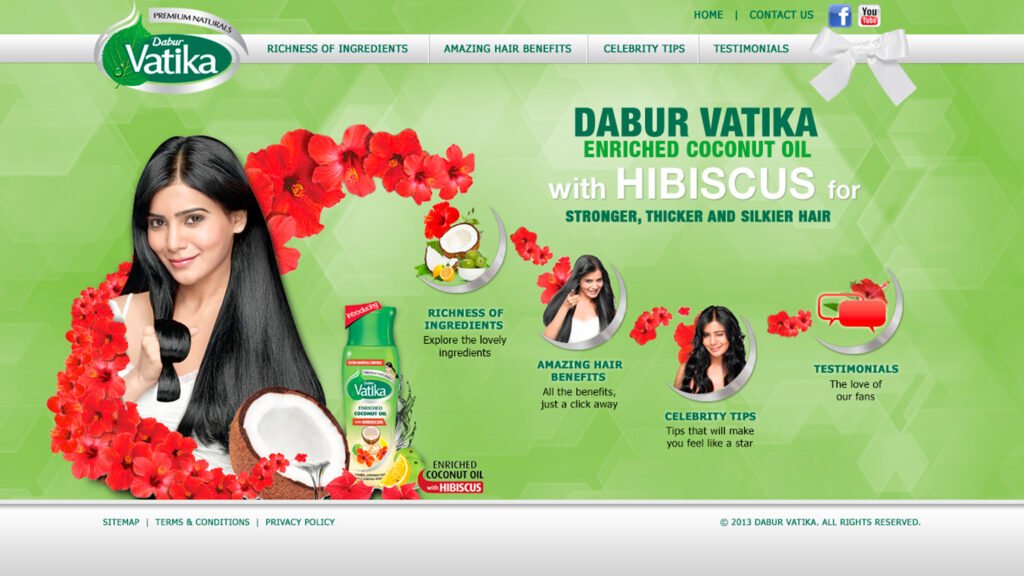
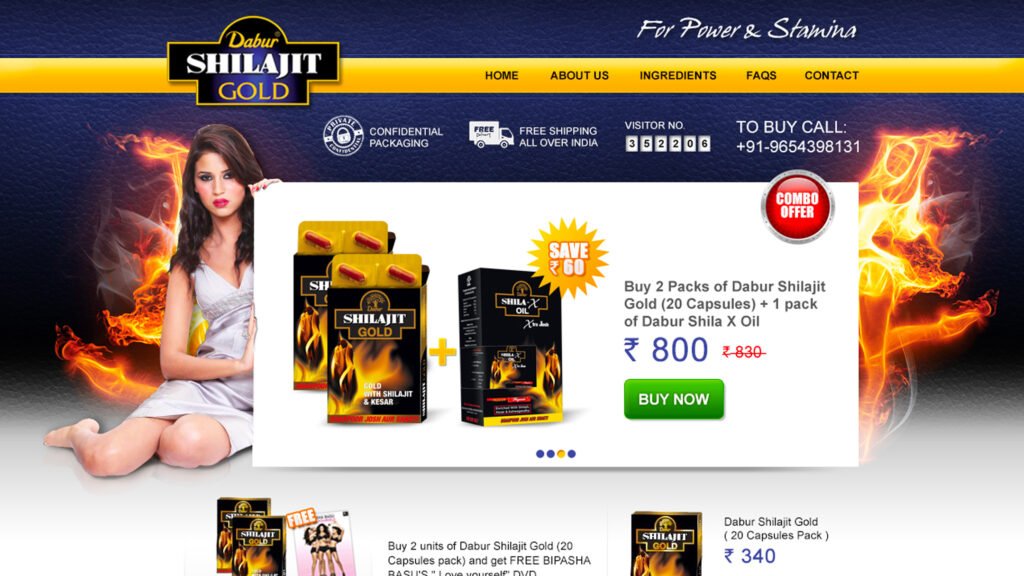
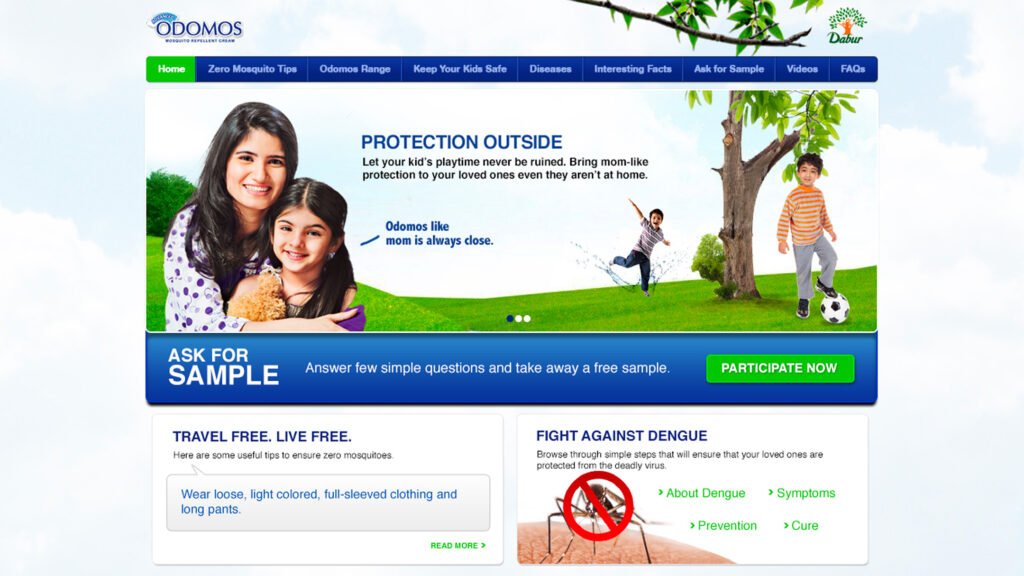
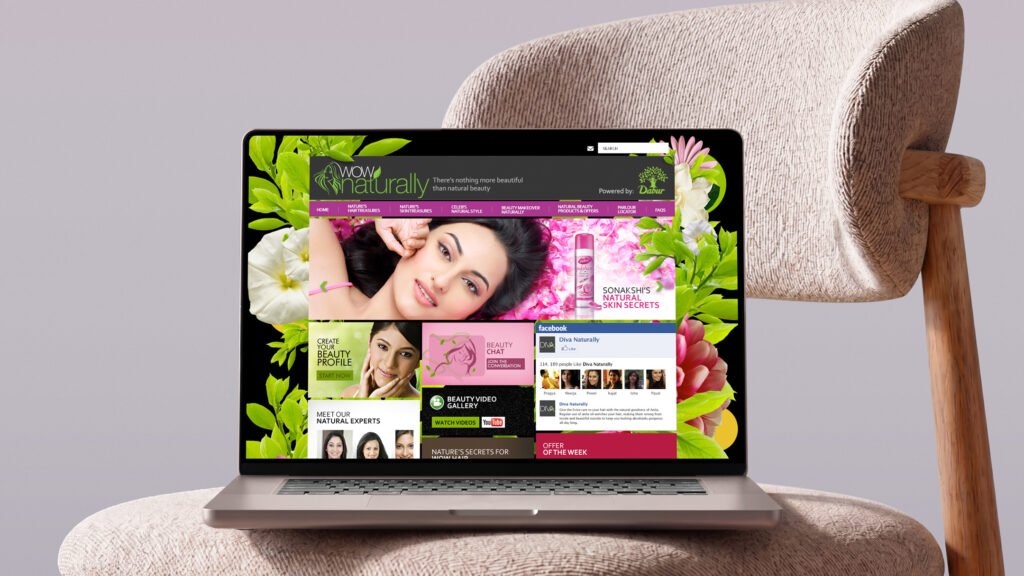
In 2013, DIGITAS brought me in to lead Dabur India’s digital and social mandate, the first time I was working at brief level, asking what communication needed to do before deciding what it would look like. Below you’ll see that work across Dabur’s portfolio of brands.
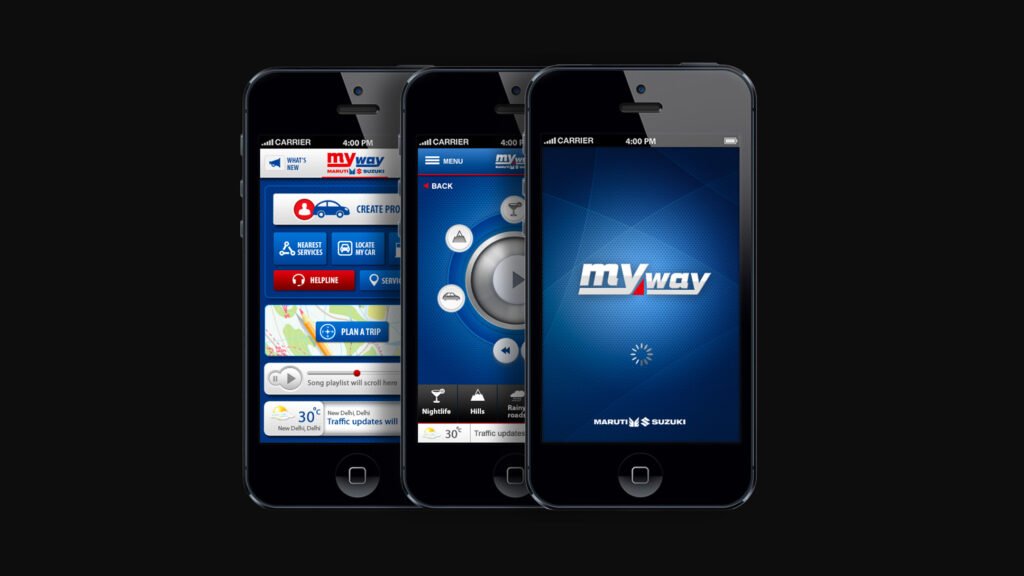
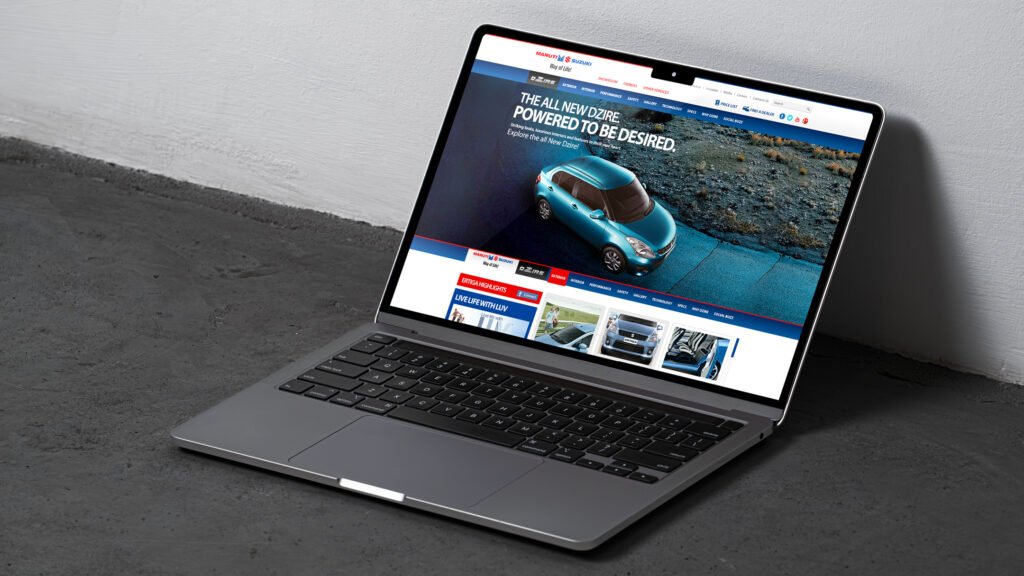
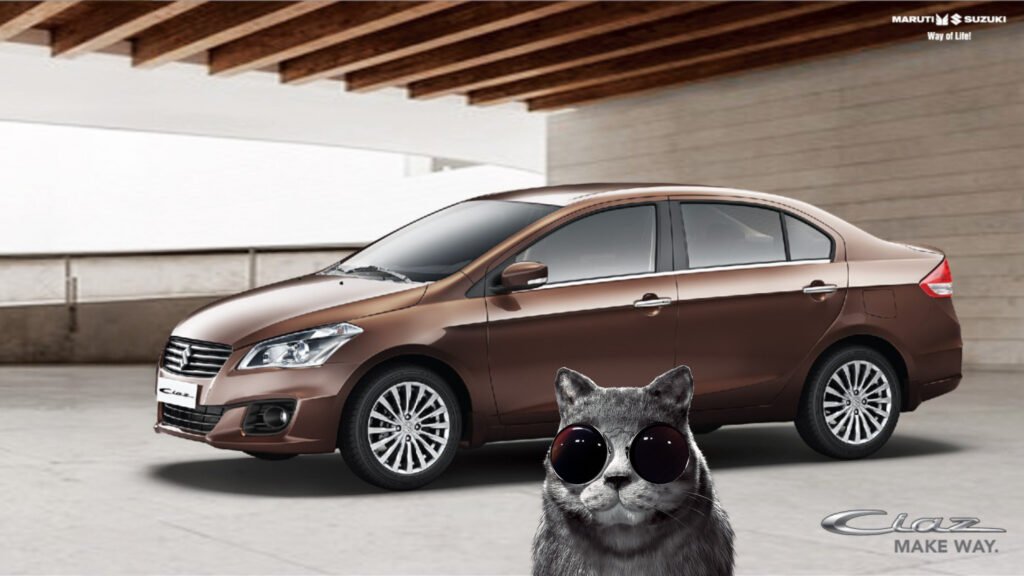
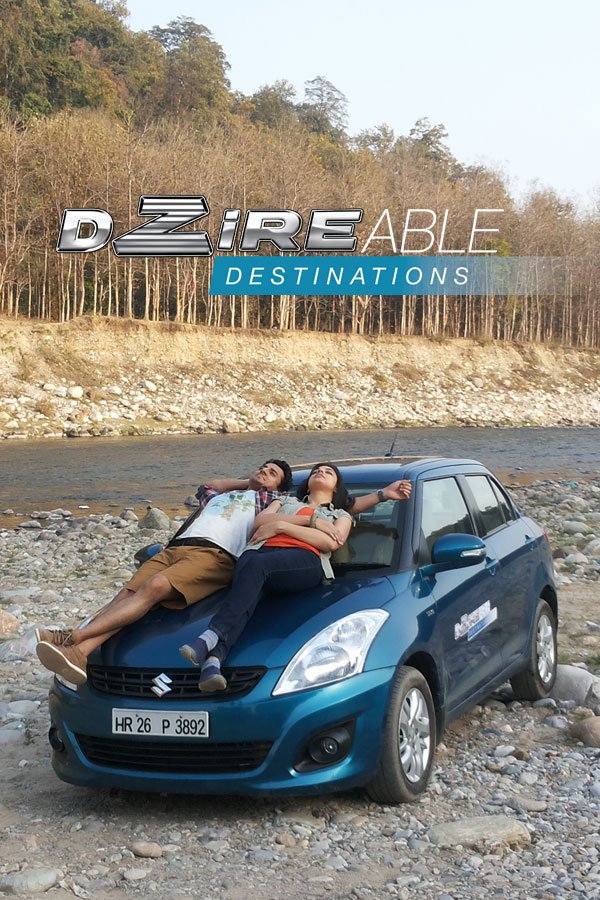
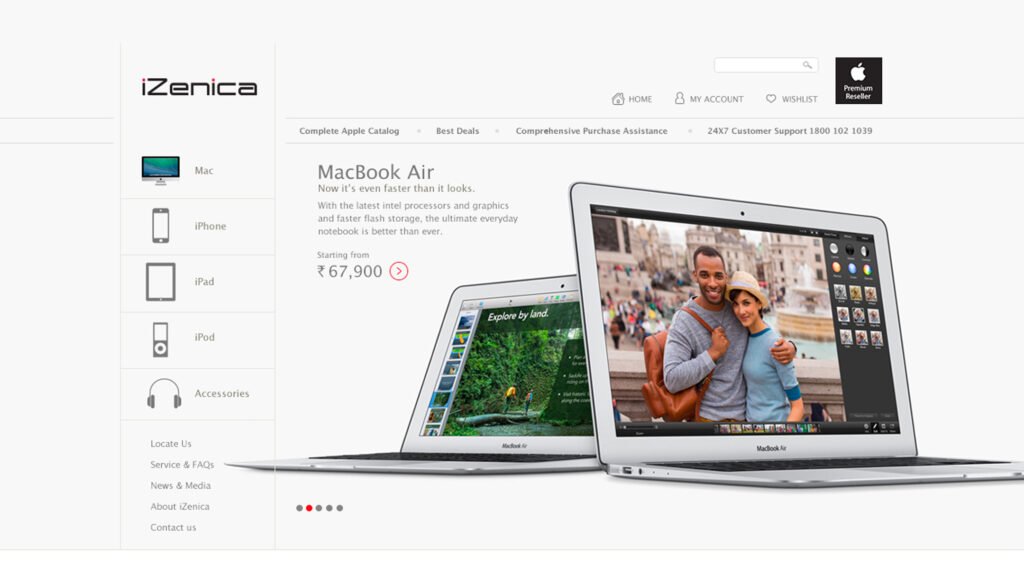
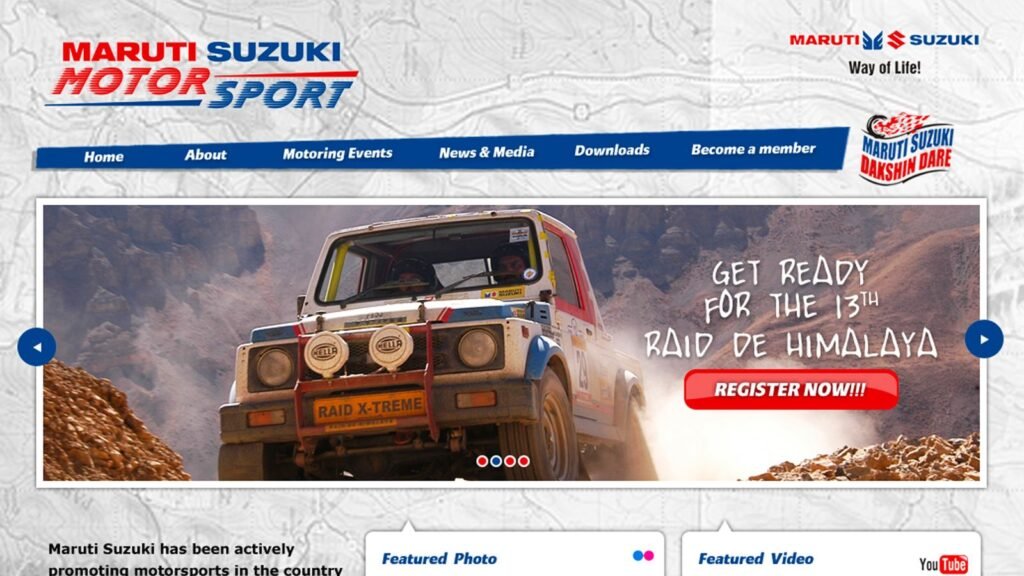
When DIGITAS and Razorfish split, I moved with Razorfish into Maruti Suzuki. Bigger briefs, more integrated thinking. Mobile was shifting from a channel to a product, and designing Maruti’s first app was my first full product design engagement. The Maruti campaigns, the digital ecosystem and the My Way App work follow below.
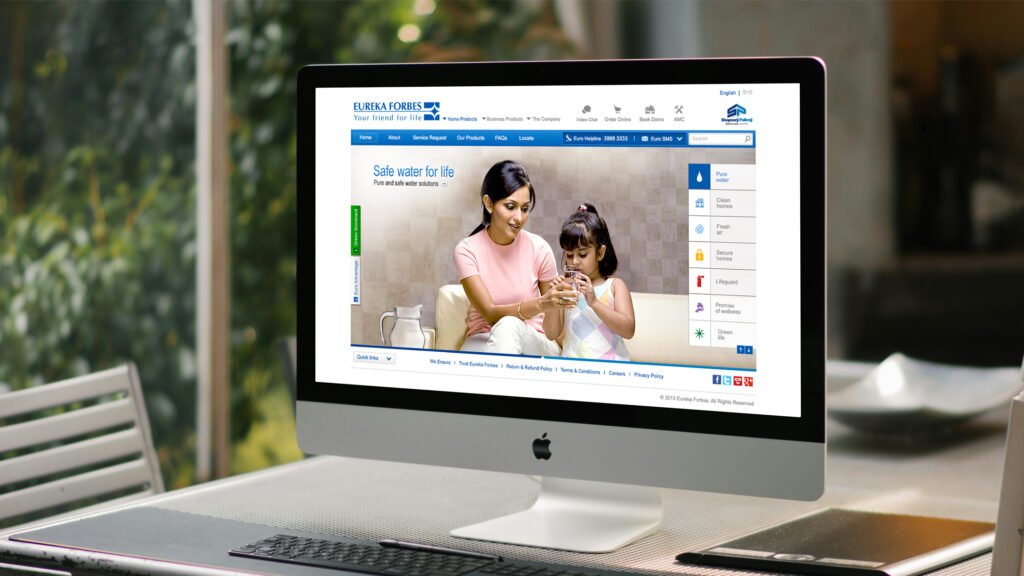













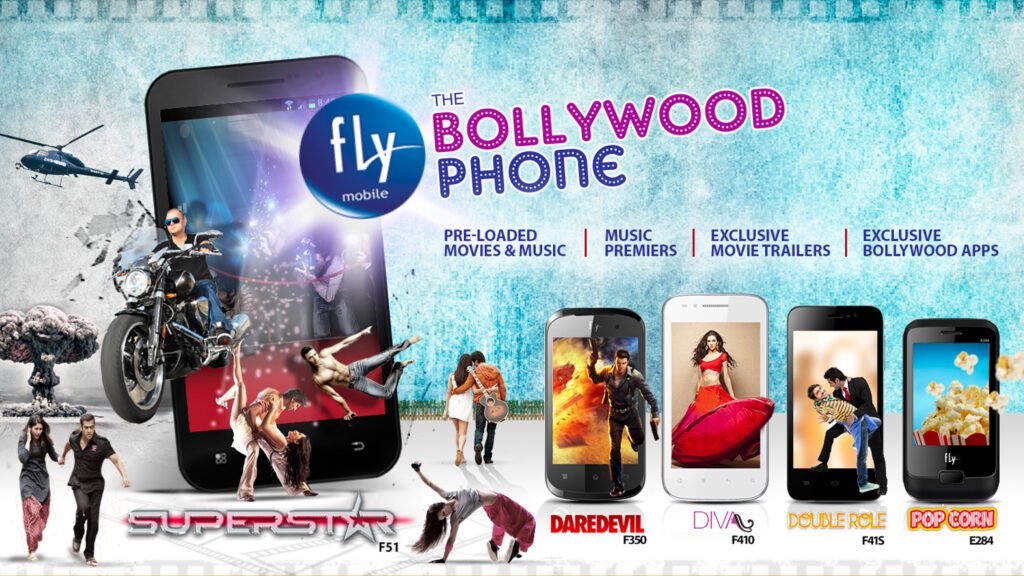
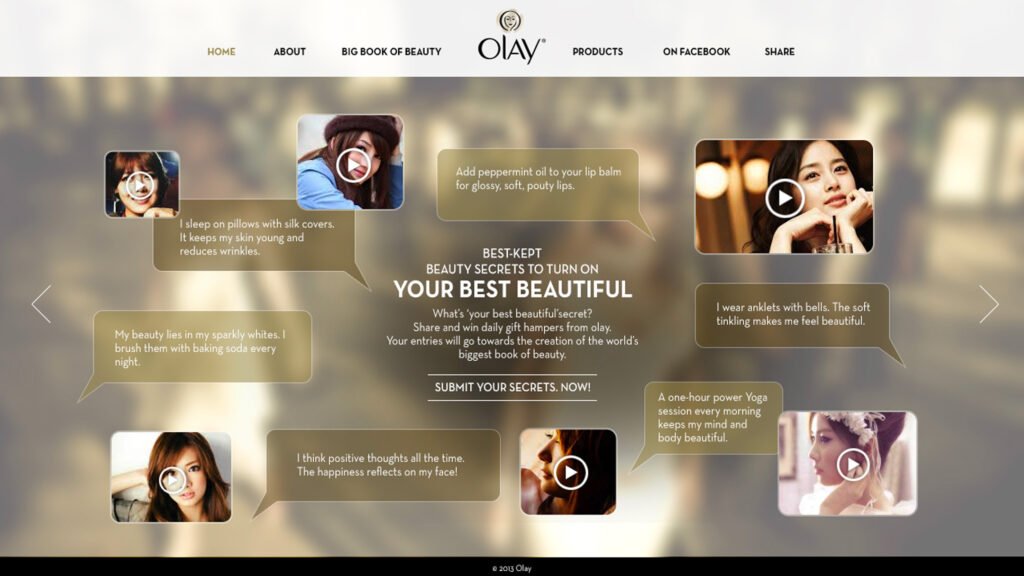


But understanding a brief came from first understanding what people were actually doing on the platforms.
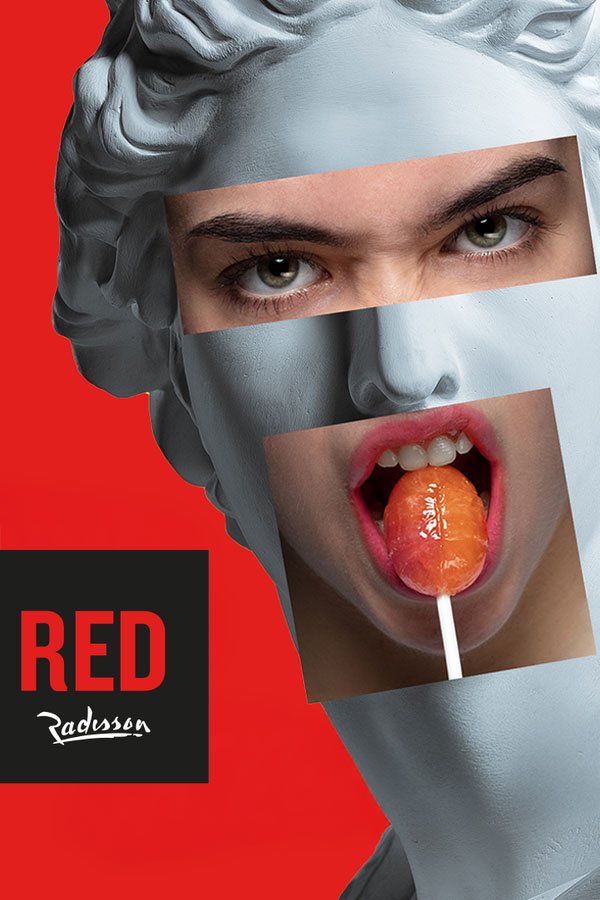
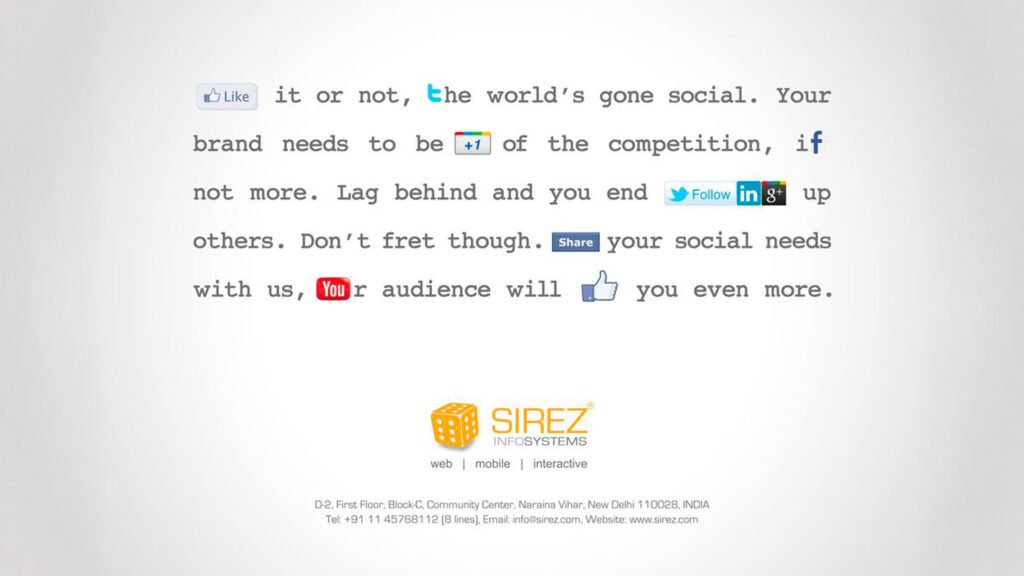
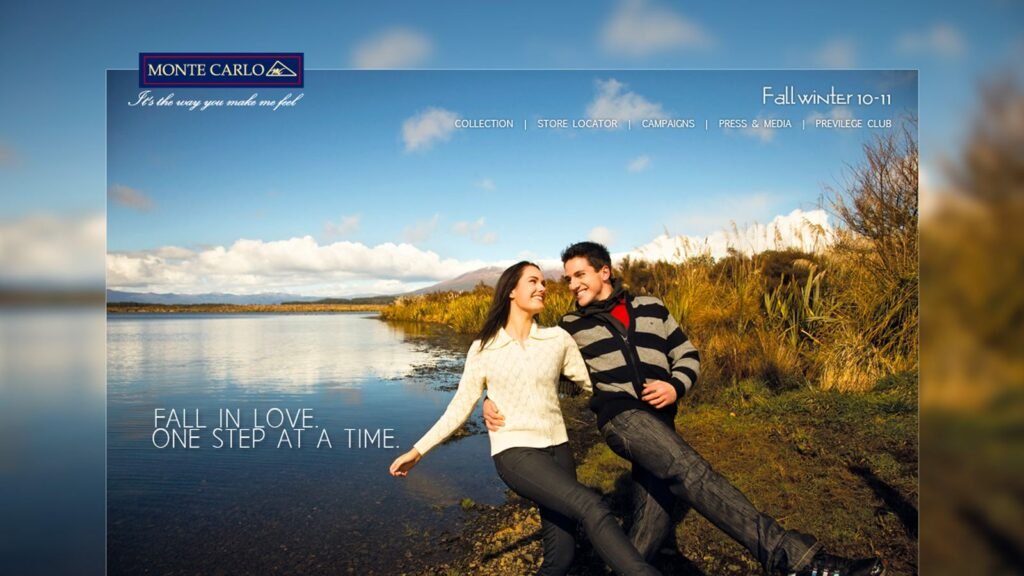
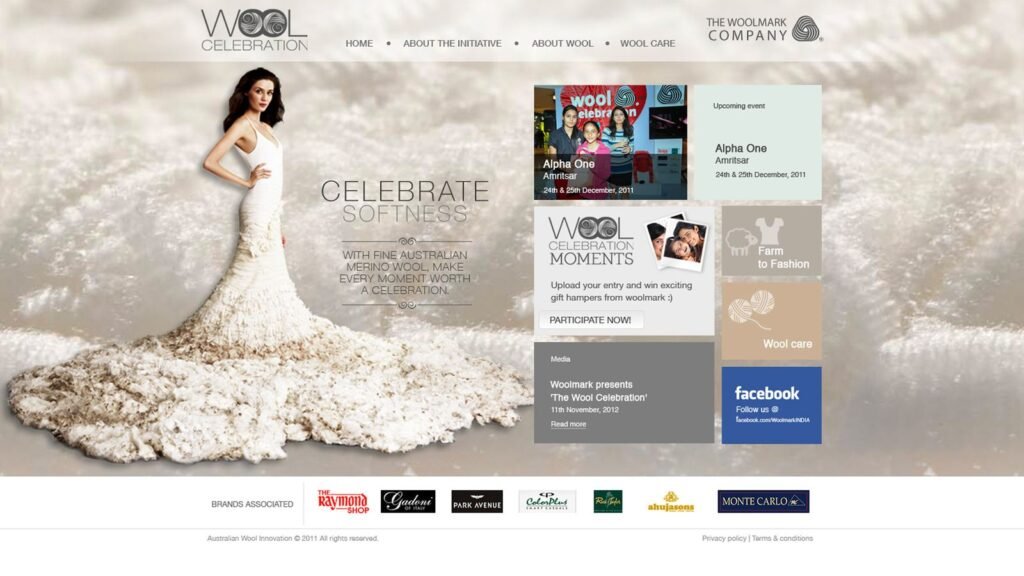
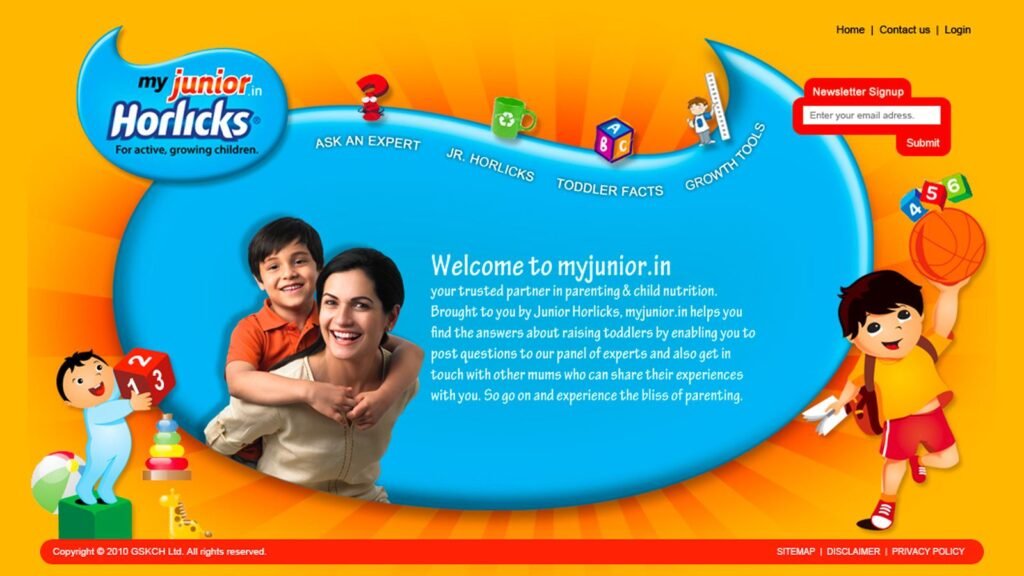
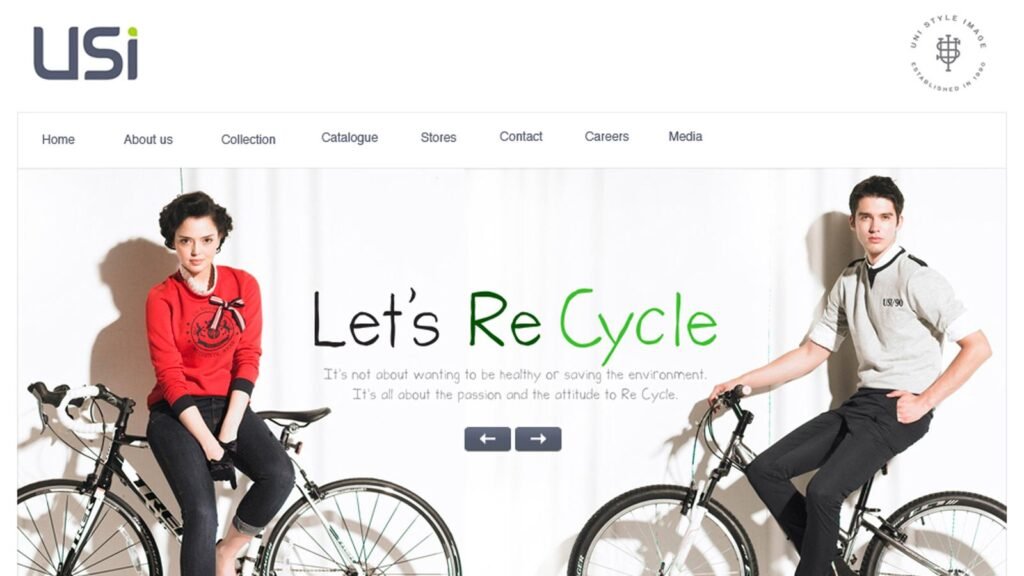
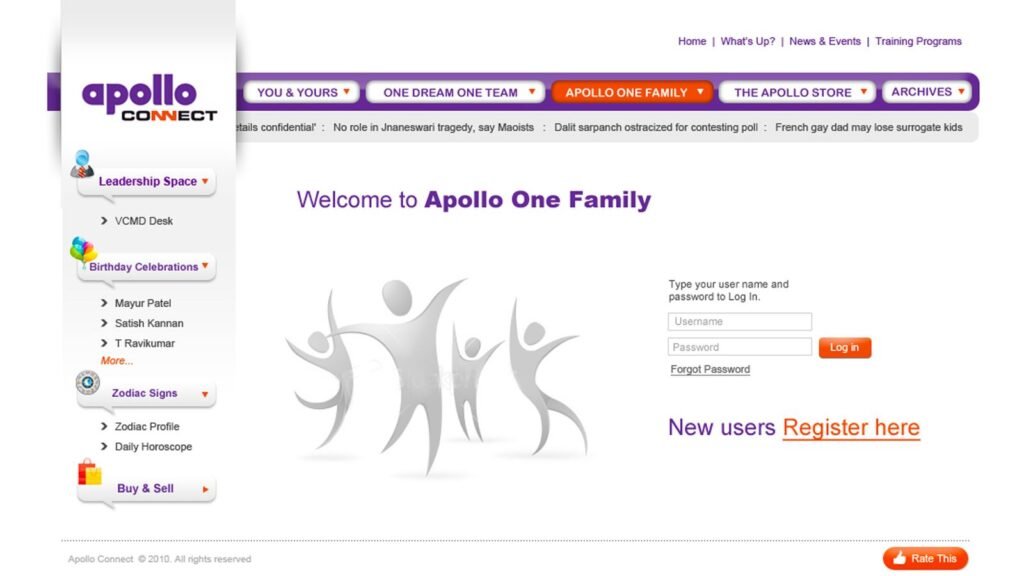
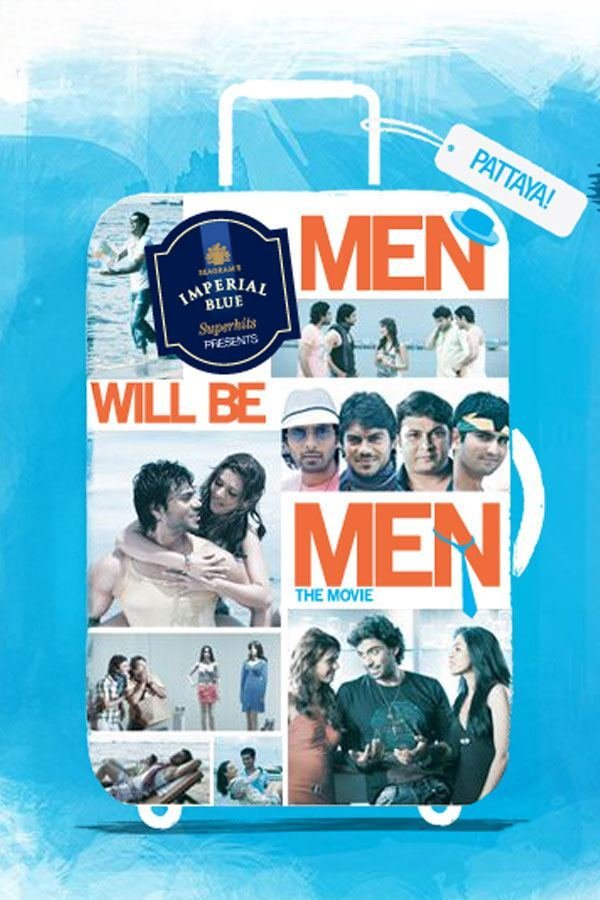
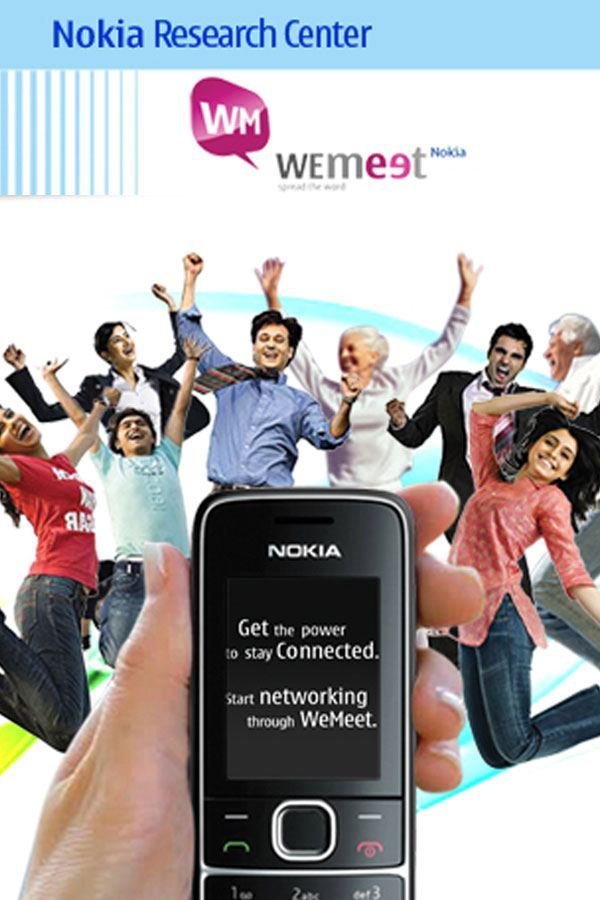
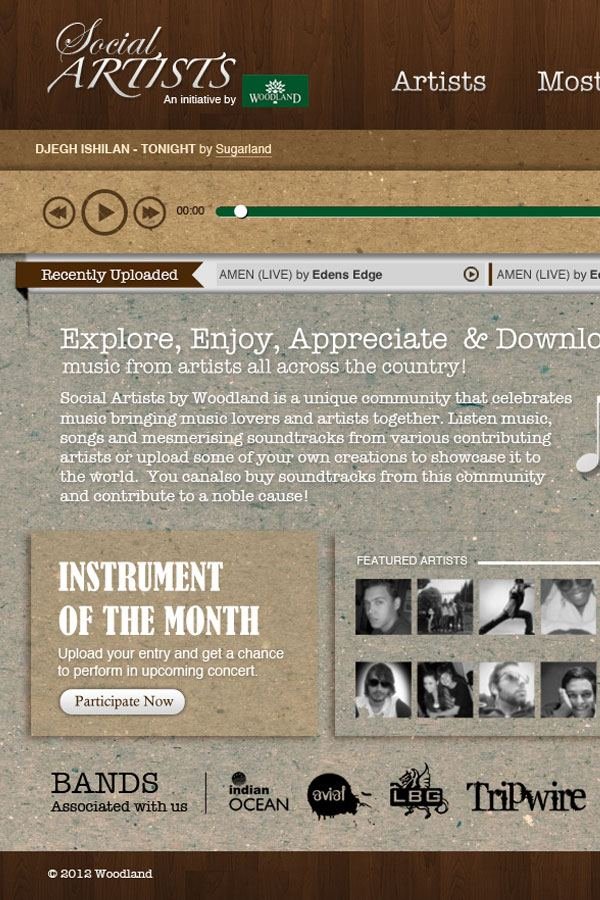
Back at Sirez, October 2009. Facebook Pages had just opened for brands and nobody had a playbook yet. I was among the first figuring out what brand participation even meant: tone, cadence, community. Suddenly brands needed content systems, not just websites.
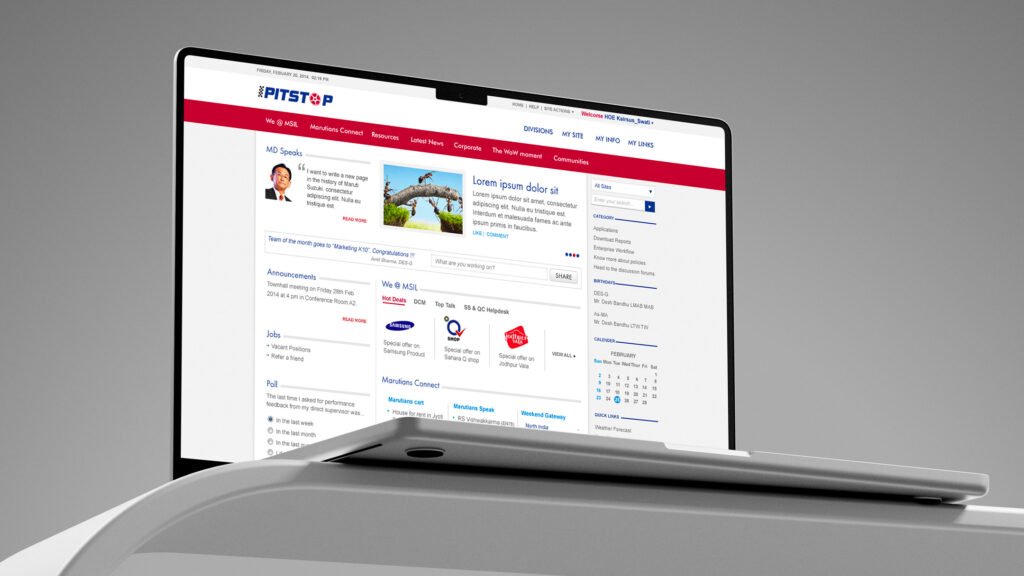
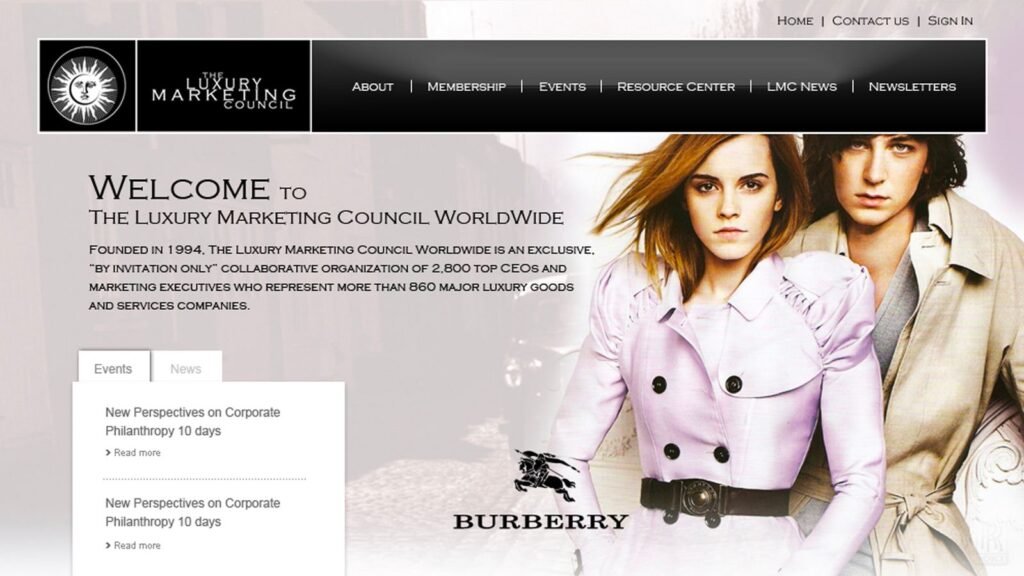
Social wasn’t the only layer shifting. Portals, intranets and eCommerce platforms were being rethought at the same time. What follows below is the early Facebook brand work, the social media mandates that grew out of it, and the owned-digital properties we were building in parallel.






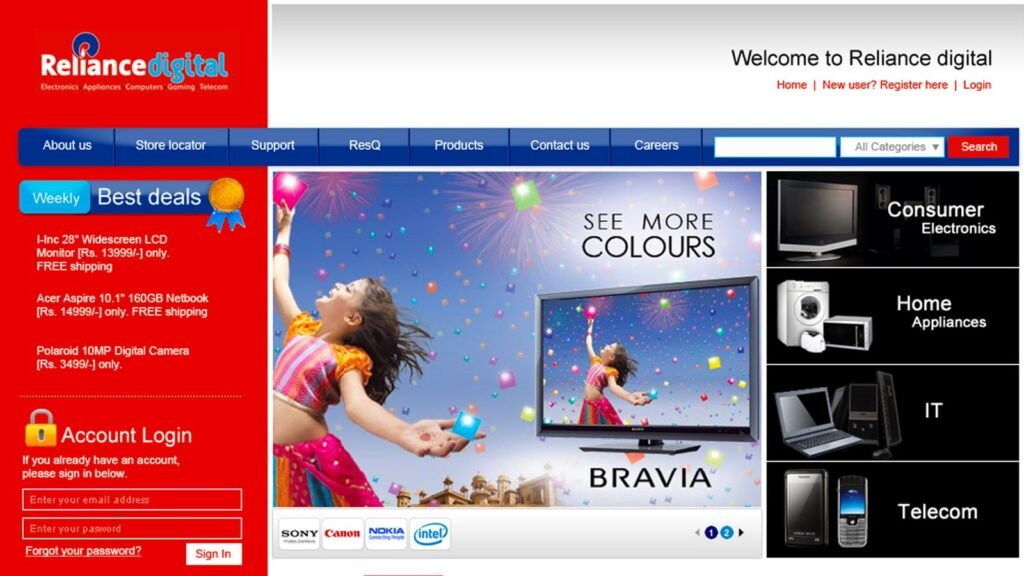
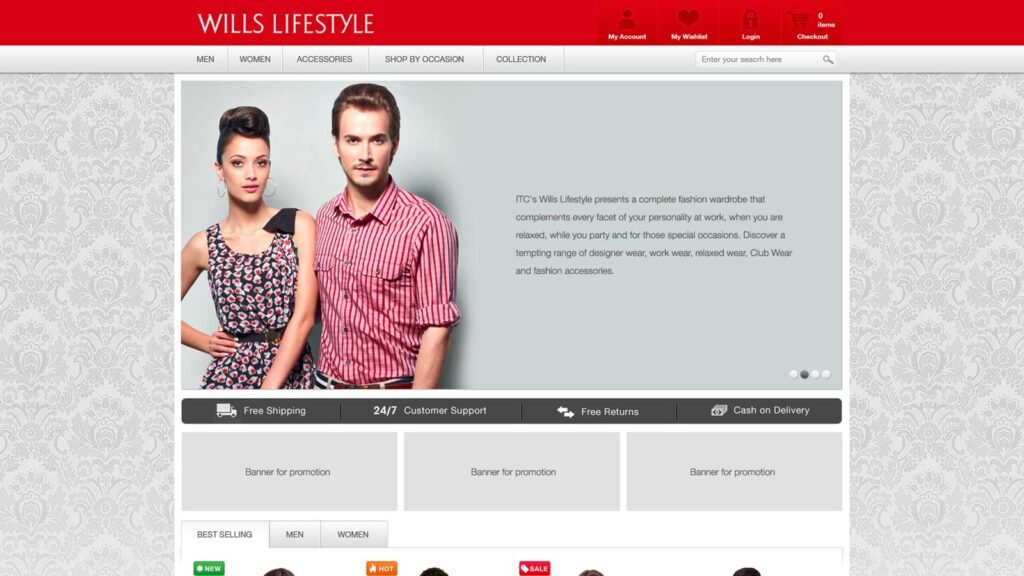





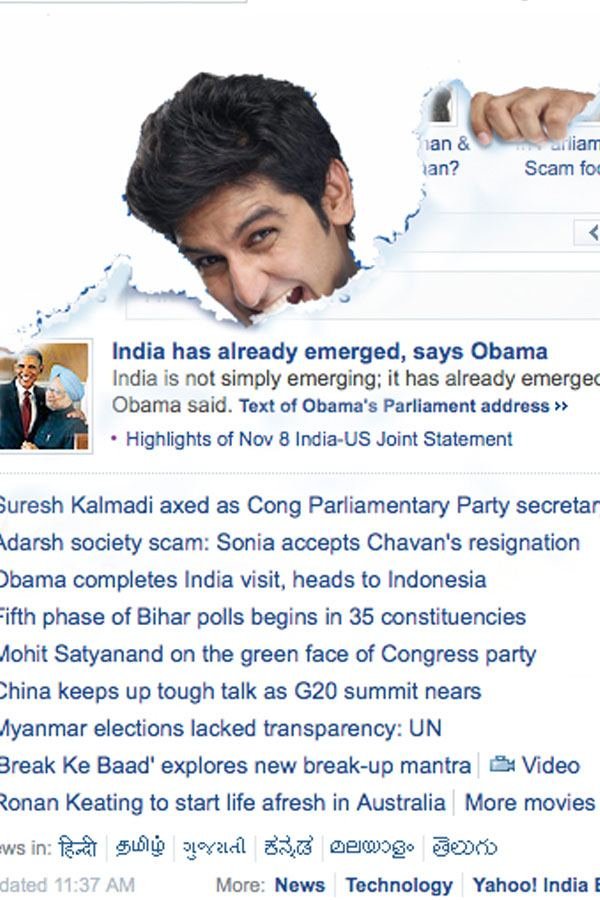

And before the feed became continuous, there was a moment when the internet changed its first question.


Solutions DIGITAS called in April 2008. They’d seen the campaign microsite work. I took on a few briefs, then moved to Dubai for global exposure. The 2008 recession ended that quickly. I came back with nothing and set up Ingenious World, kept building from whatever came in.
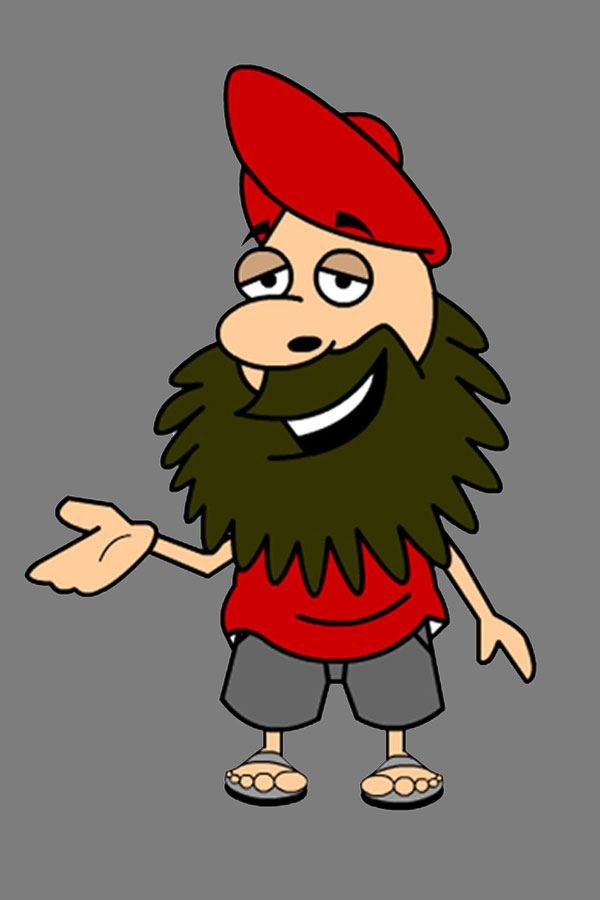
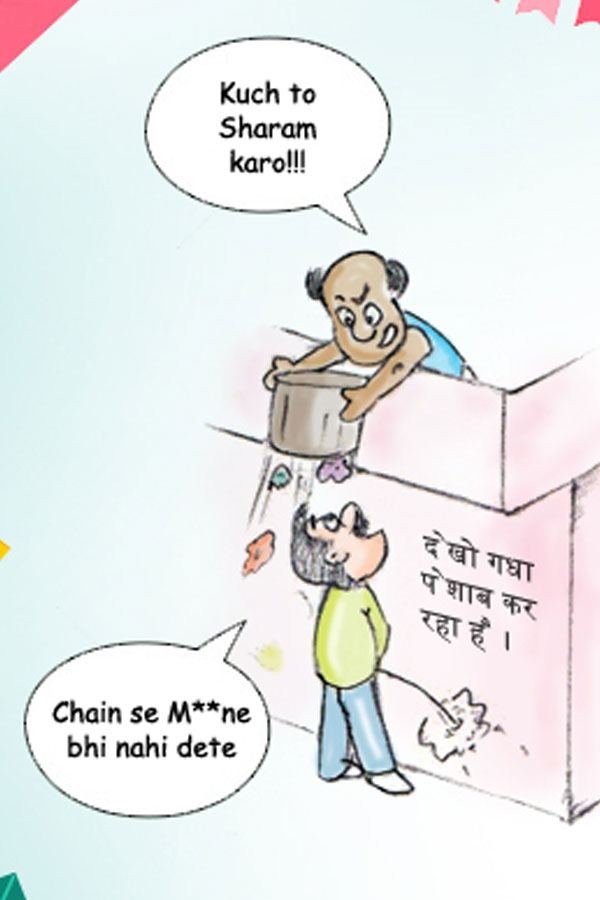
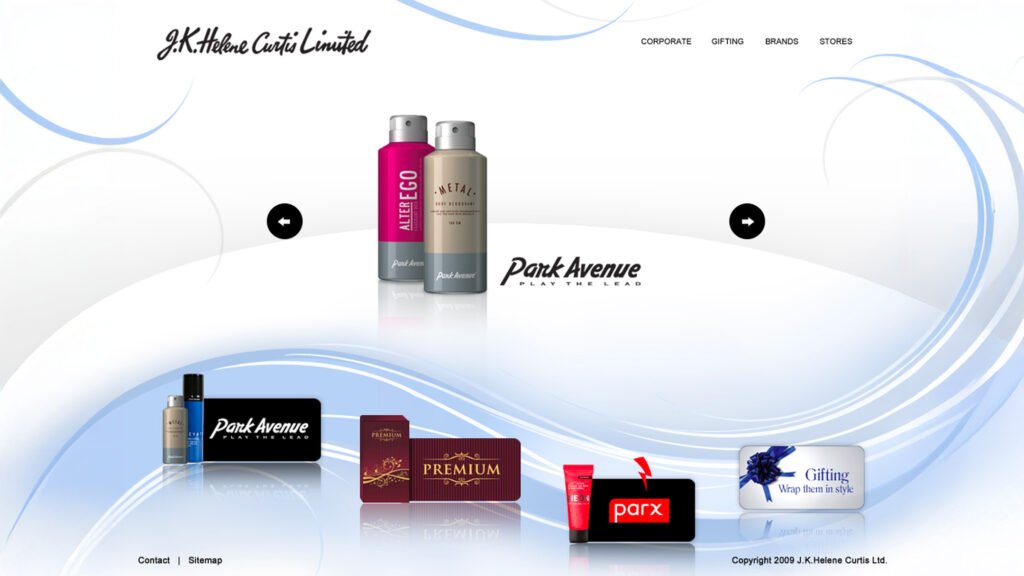
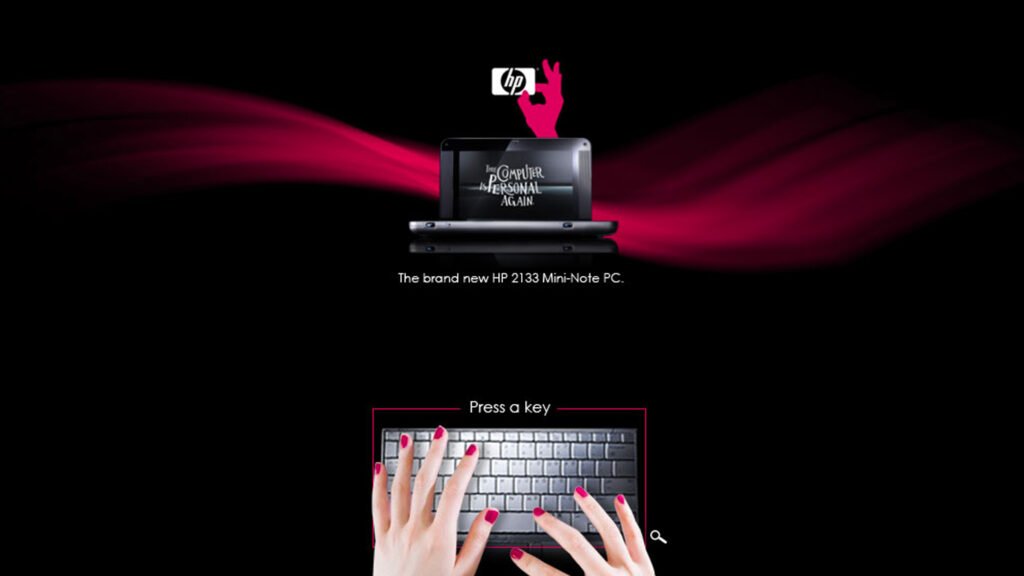
The work you’ll see below spans three distinct phases of that year: the Solutions DIGITAS and Dubai projects, the Nestlé Maggi campaign website that showed what participation on the web could look like, and the Ingenious World portfolio: hospitality, culture, experimental motion and interactive humour, built when there was no other option but to keep going.



But participation only made sense because I had already spent years understanding how people behaved on screens.

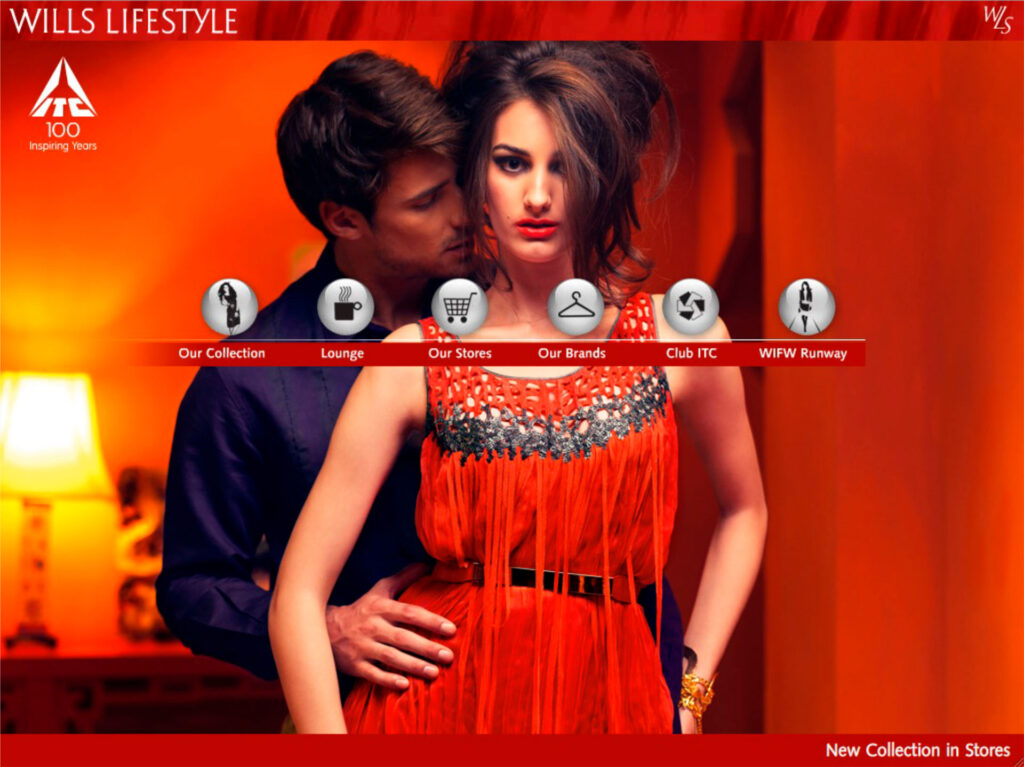
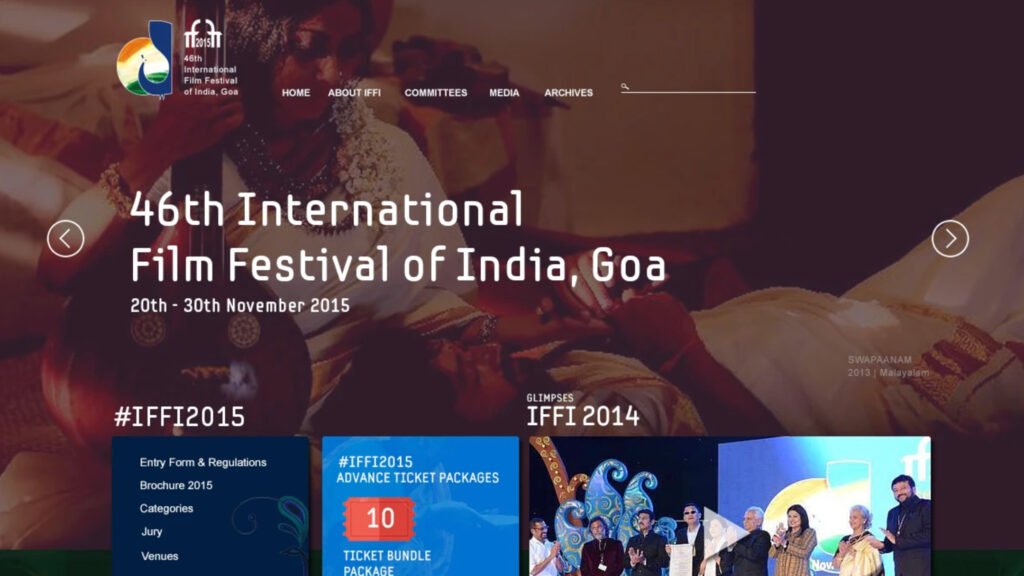
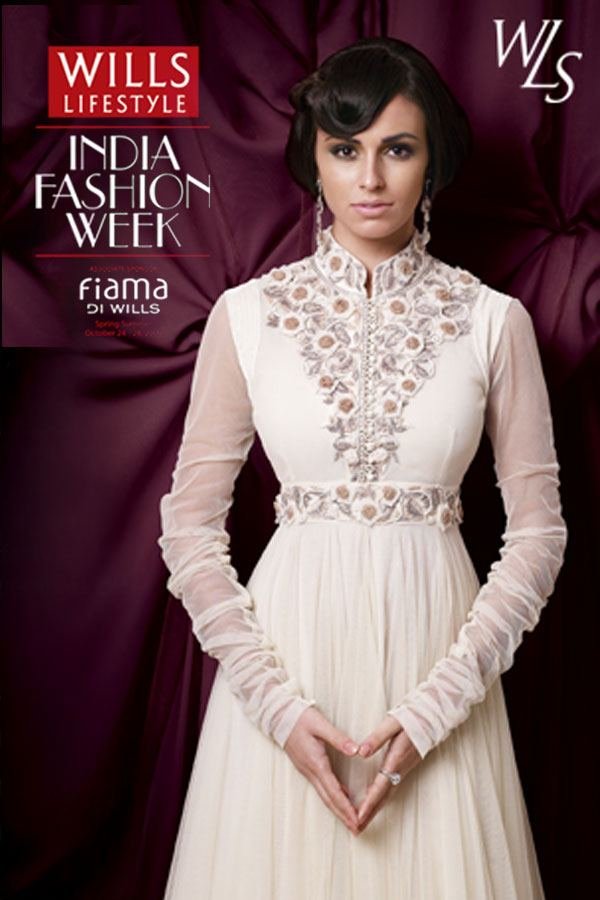
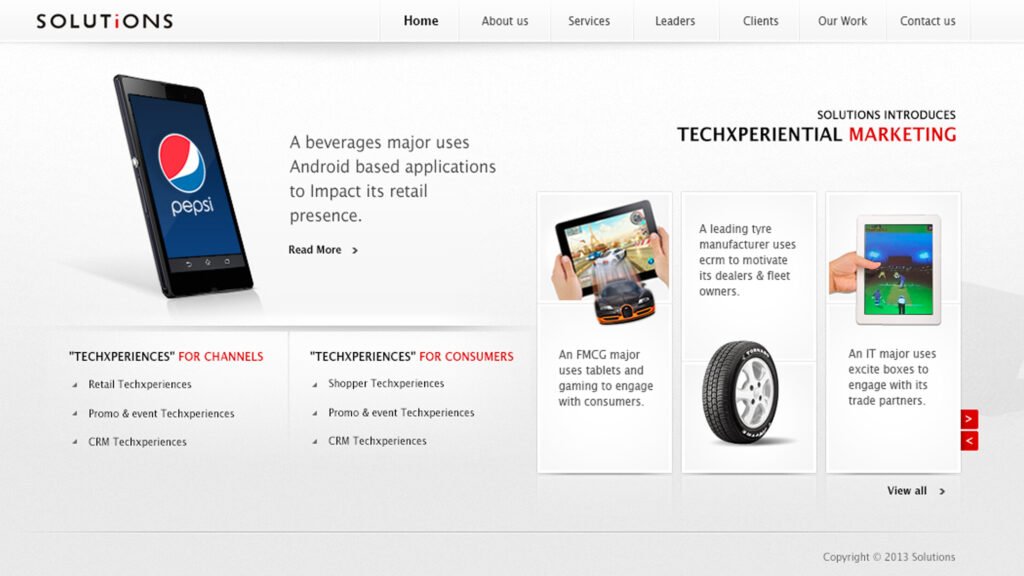
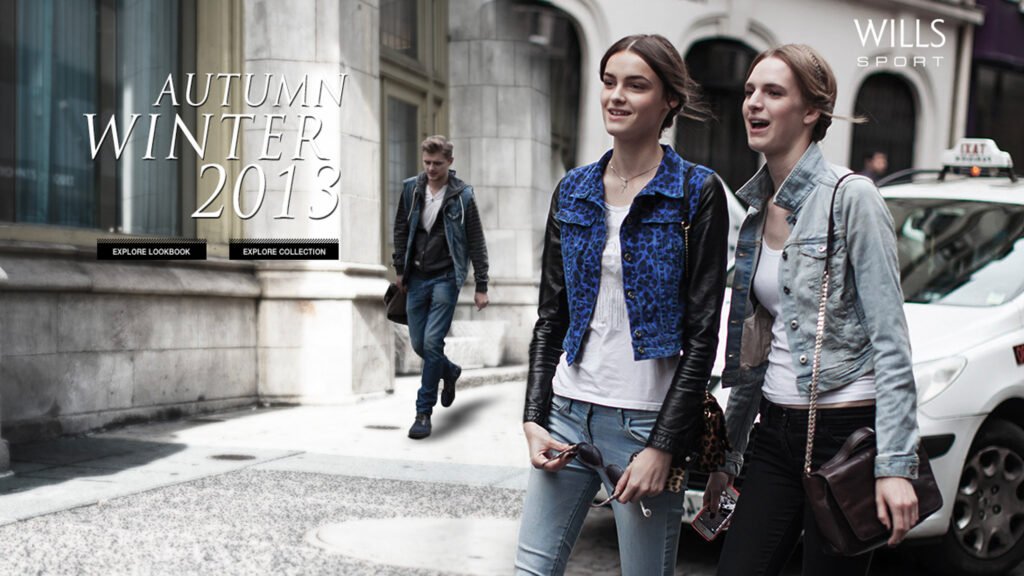
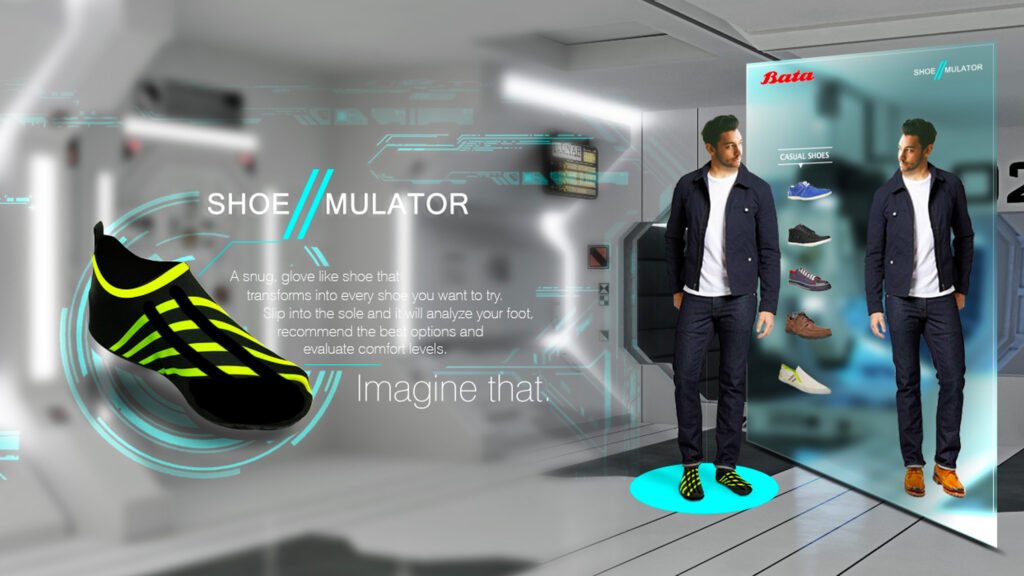
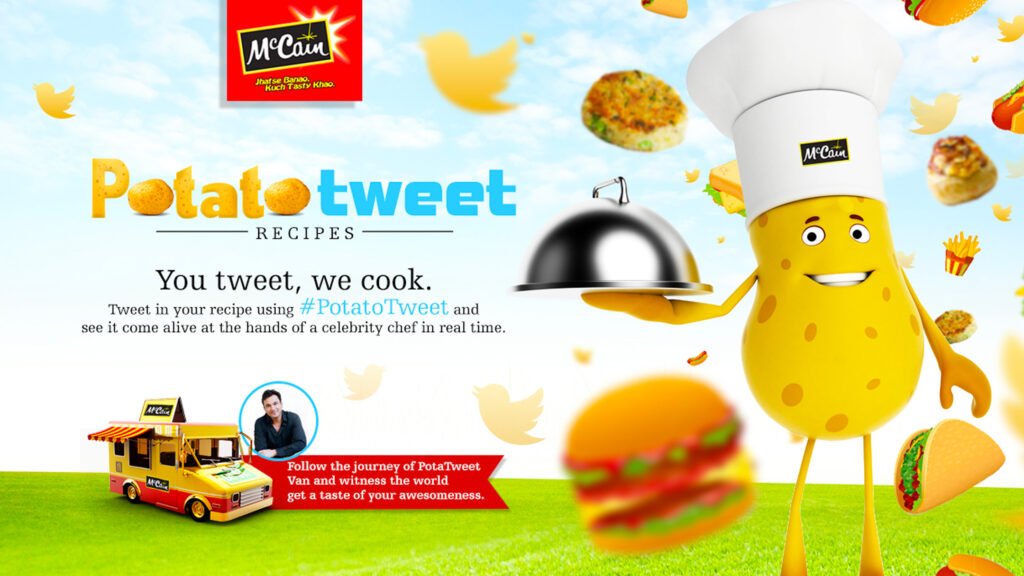
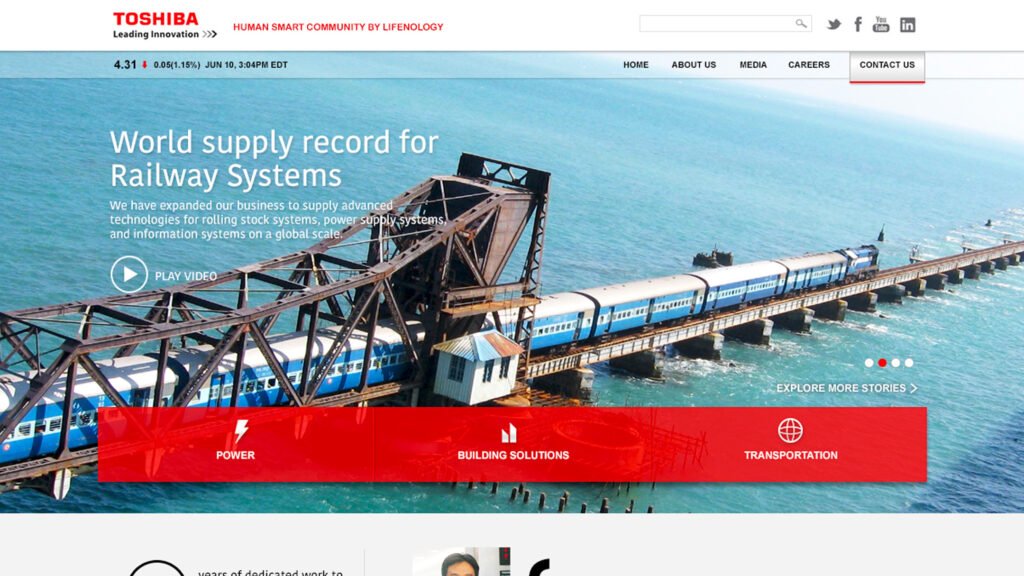
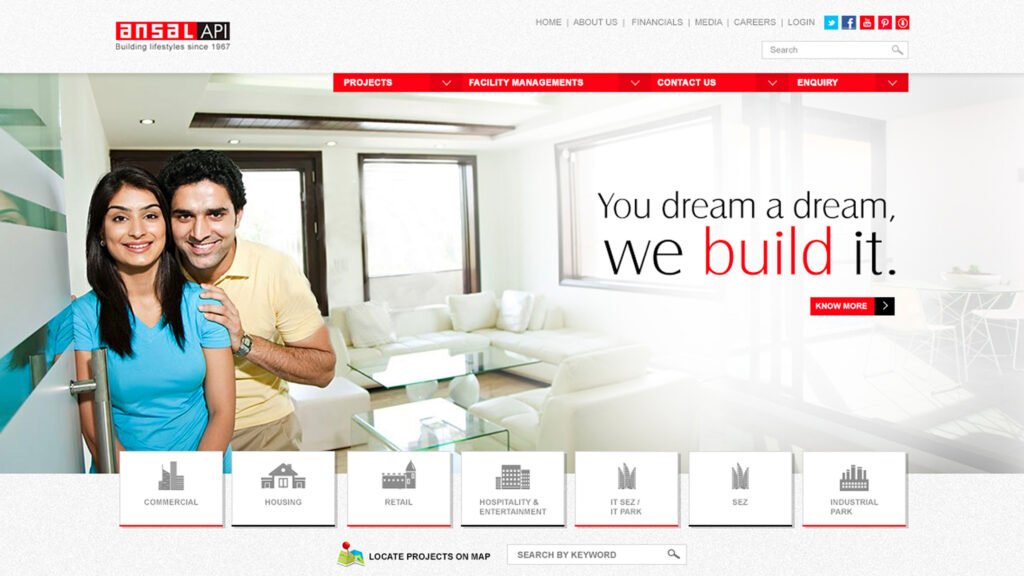
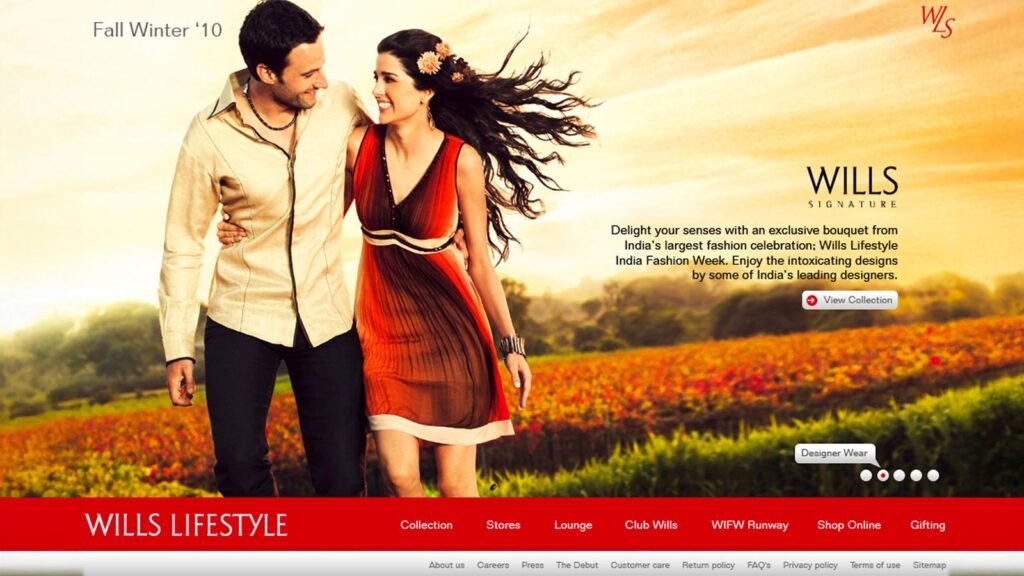
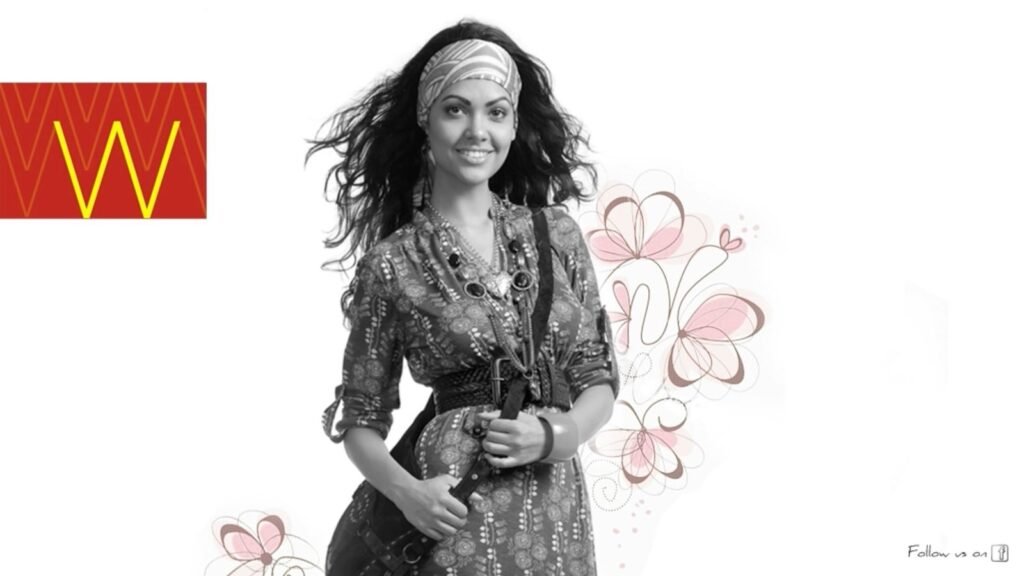
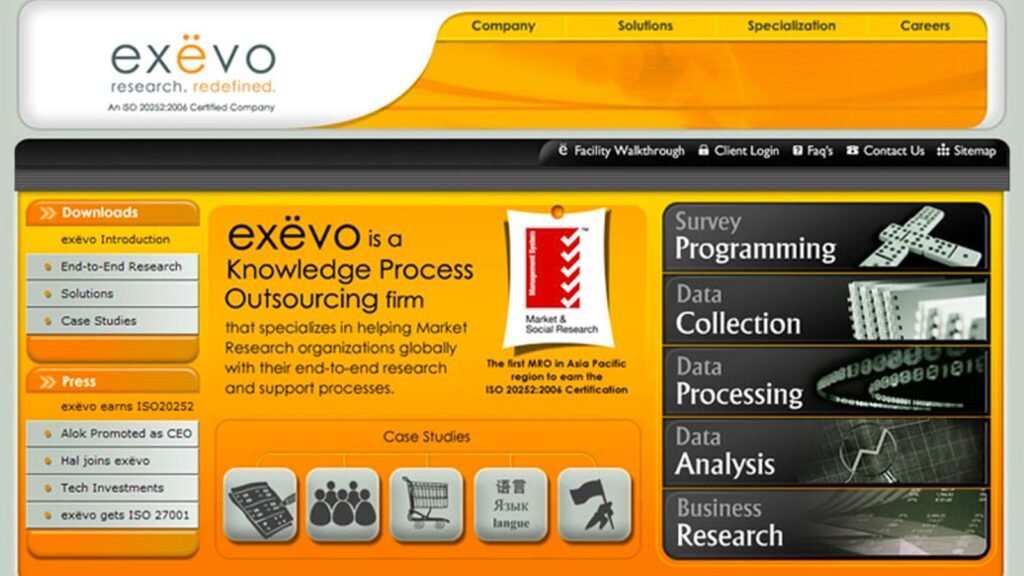
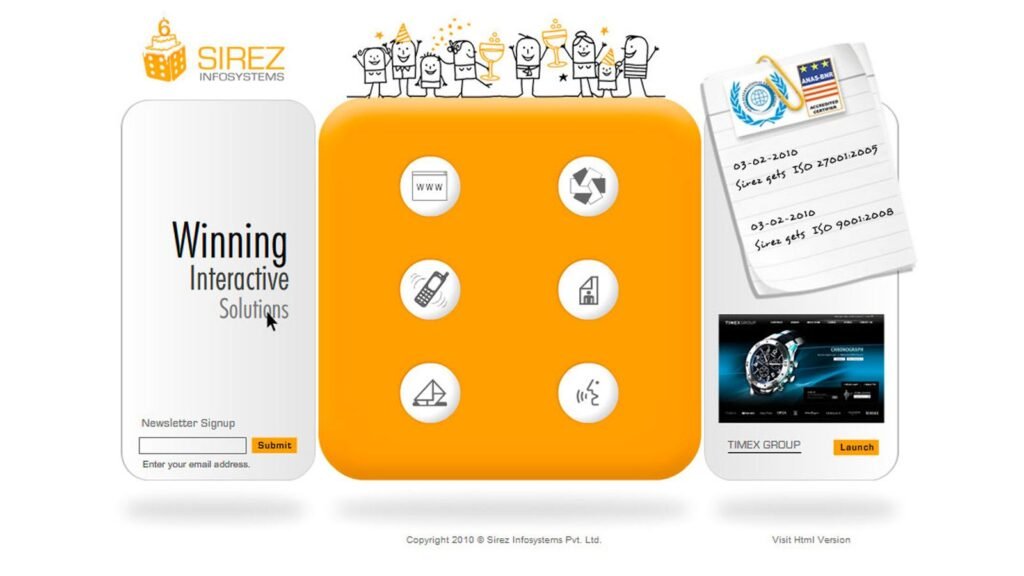
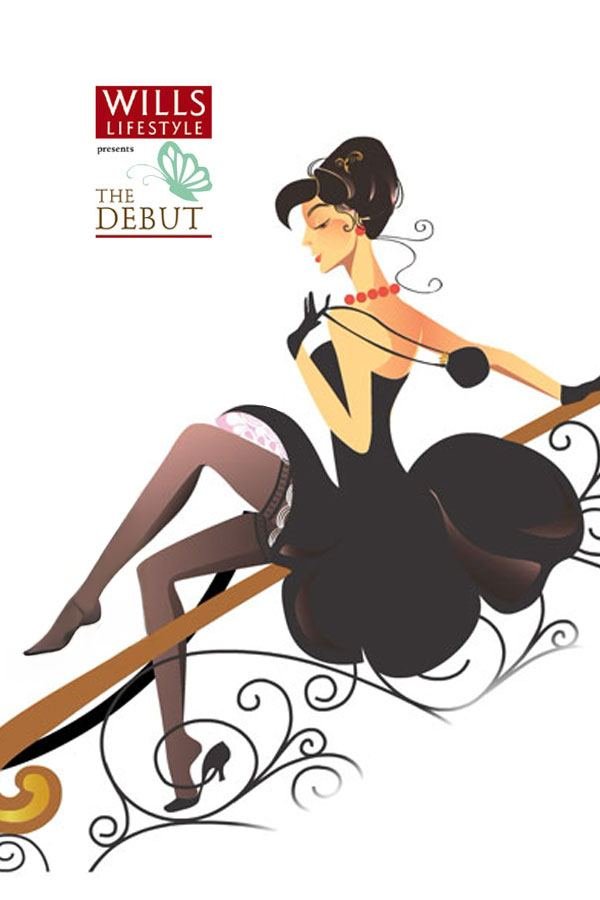
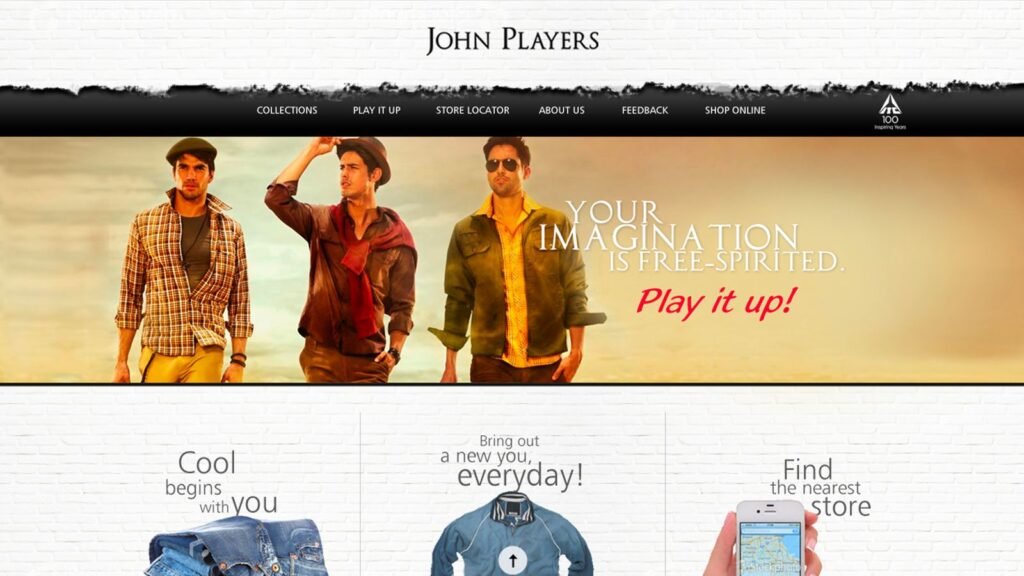
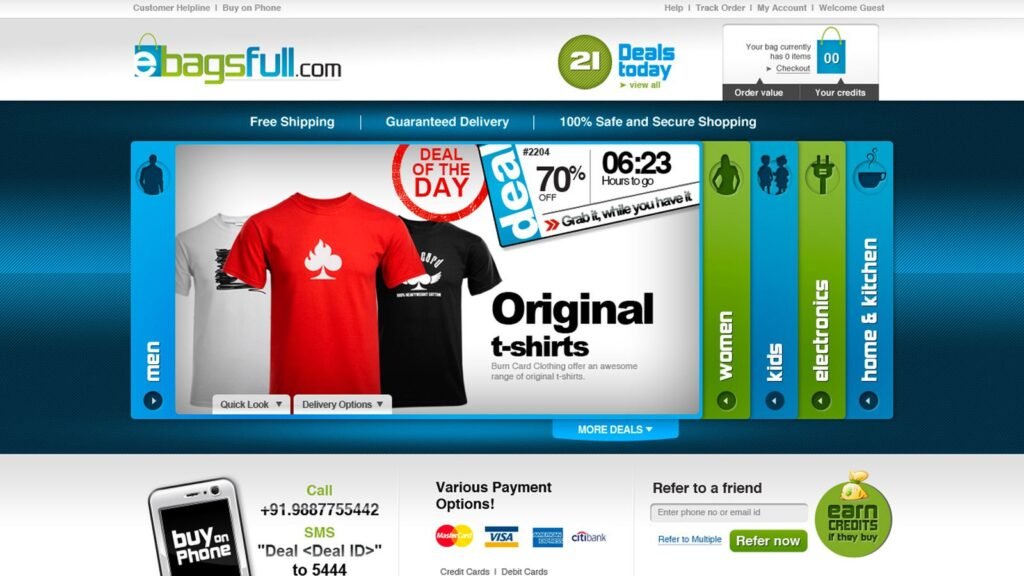
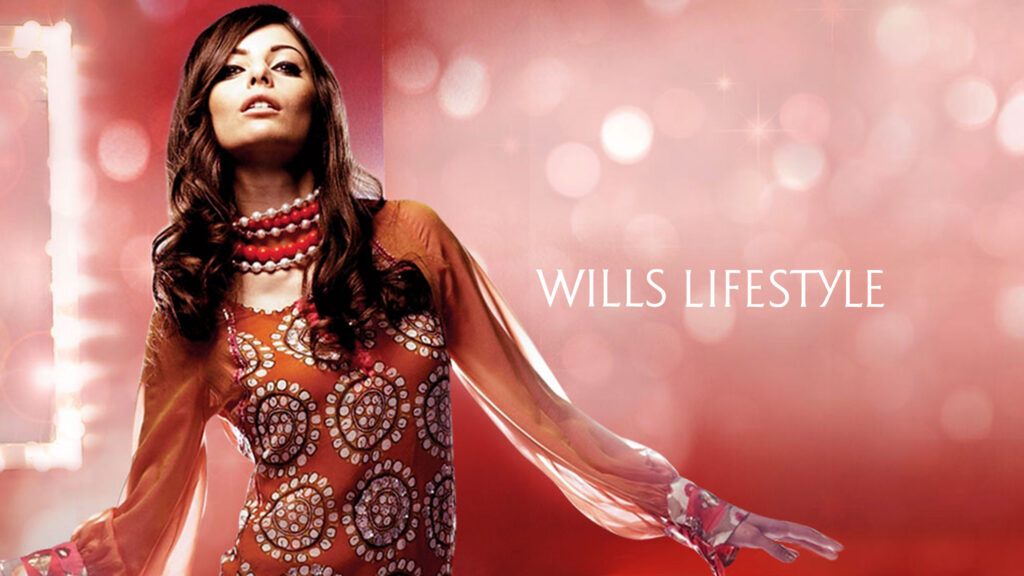
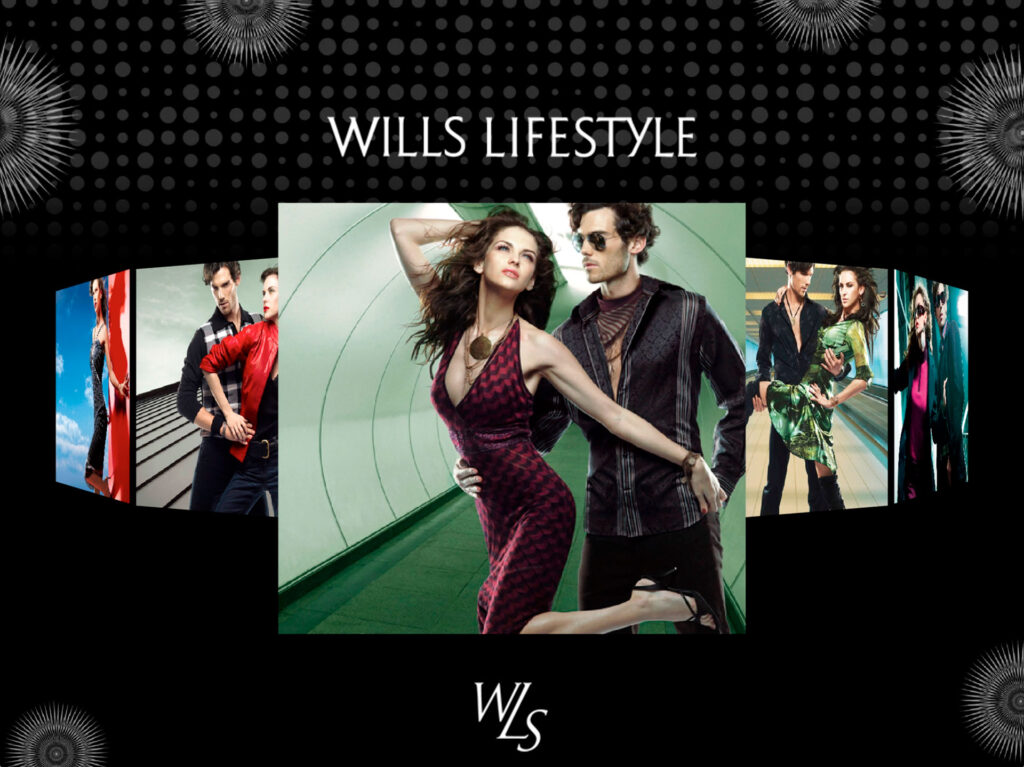
After KING, I joined Super Infosoft building eLearning software in Flash. First time I understood how design affects comprehension, not just appearance. Then Sirez Infosystems, where the web was replacing CDs and I learned interaction design before UI/UX had a name. We were already building touchscreen retail experiences for Wills Lifestyle years before touch interfaces became mainstream.
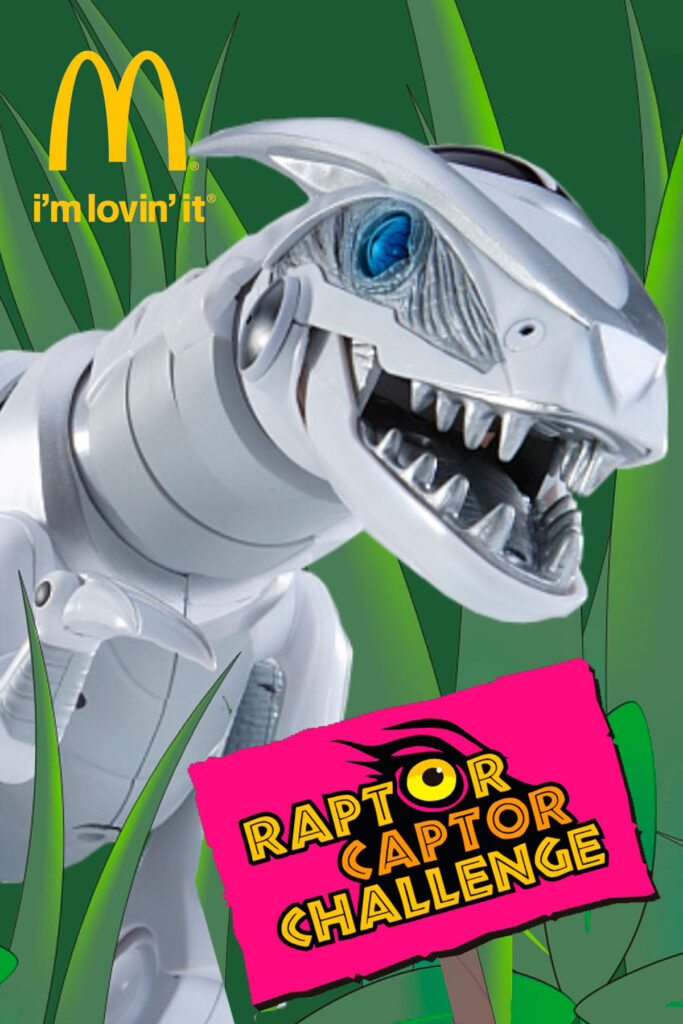
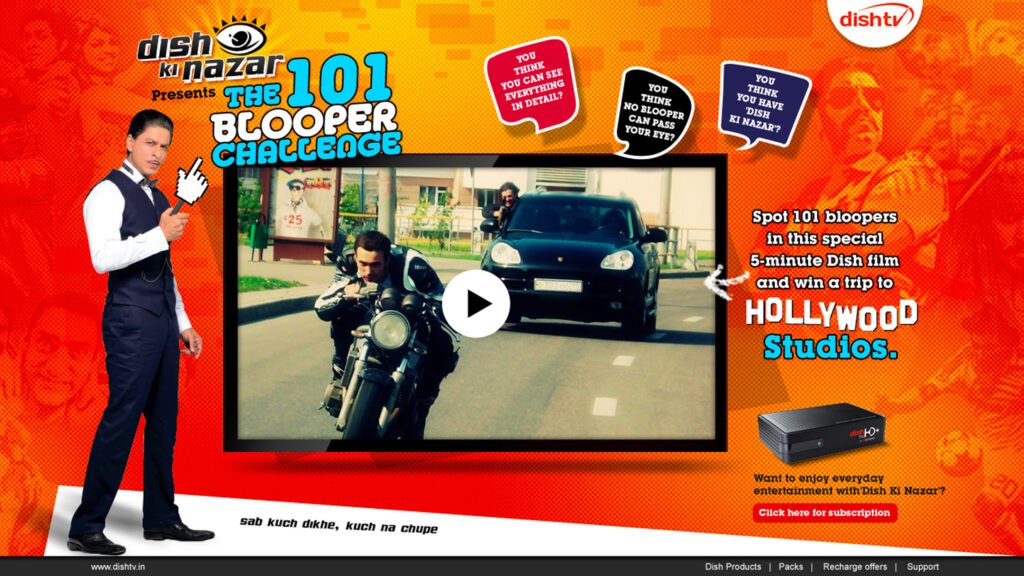
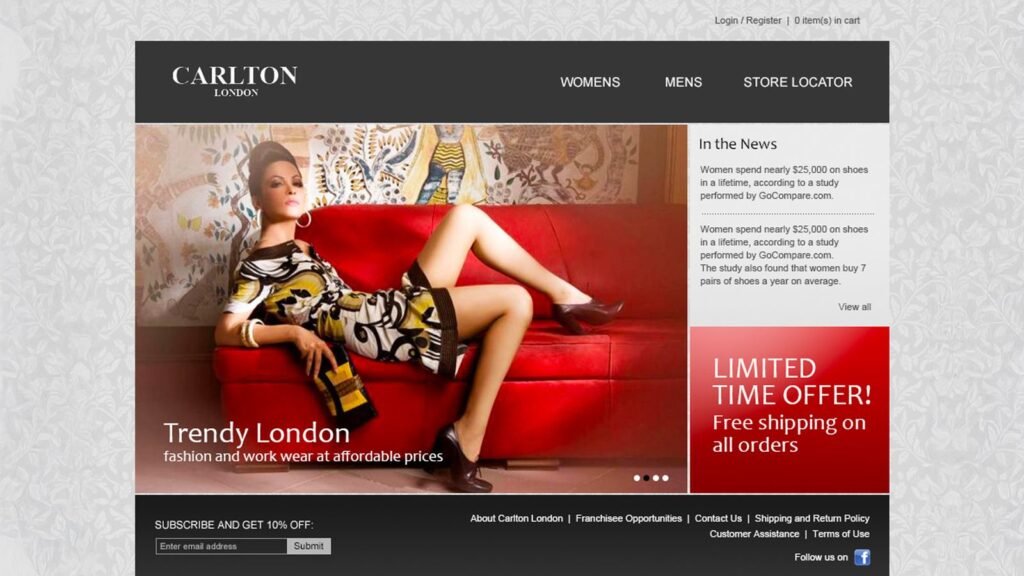
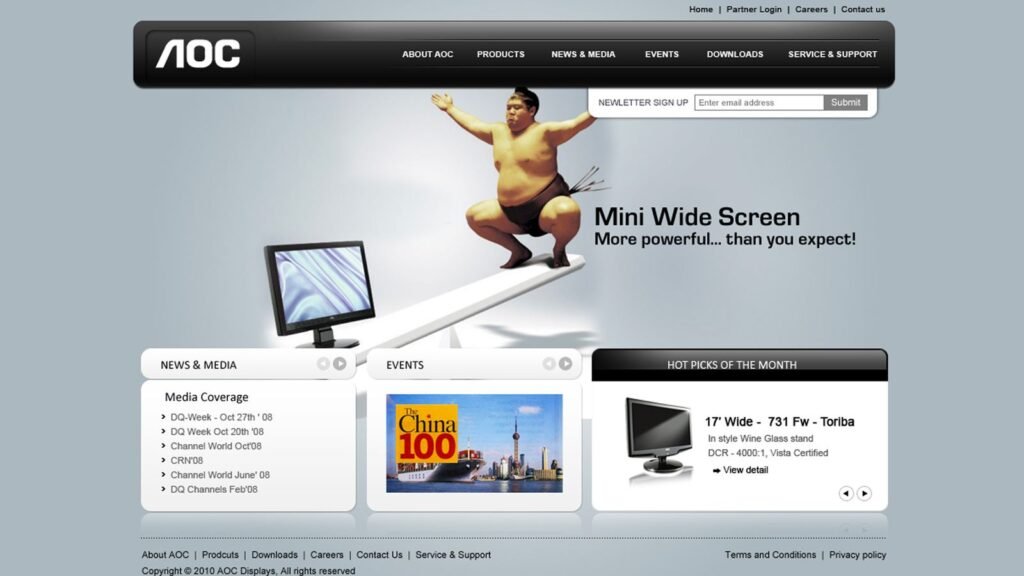
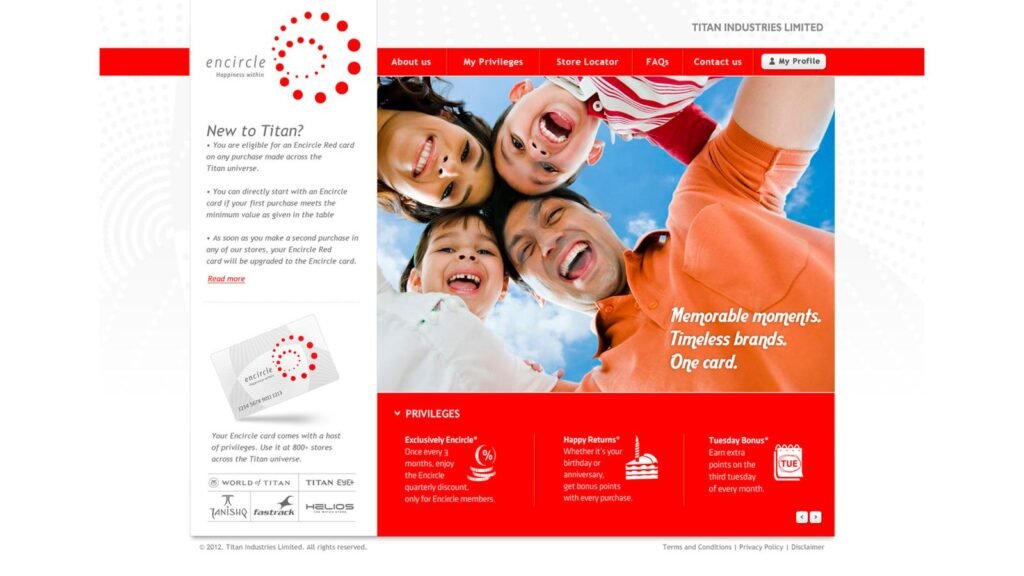
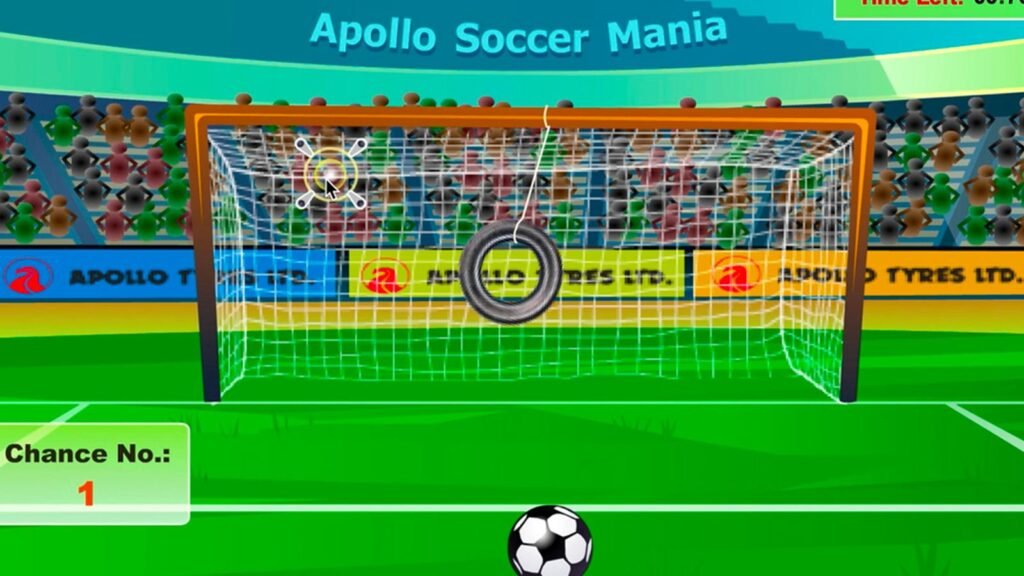
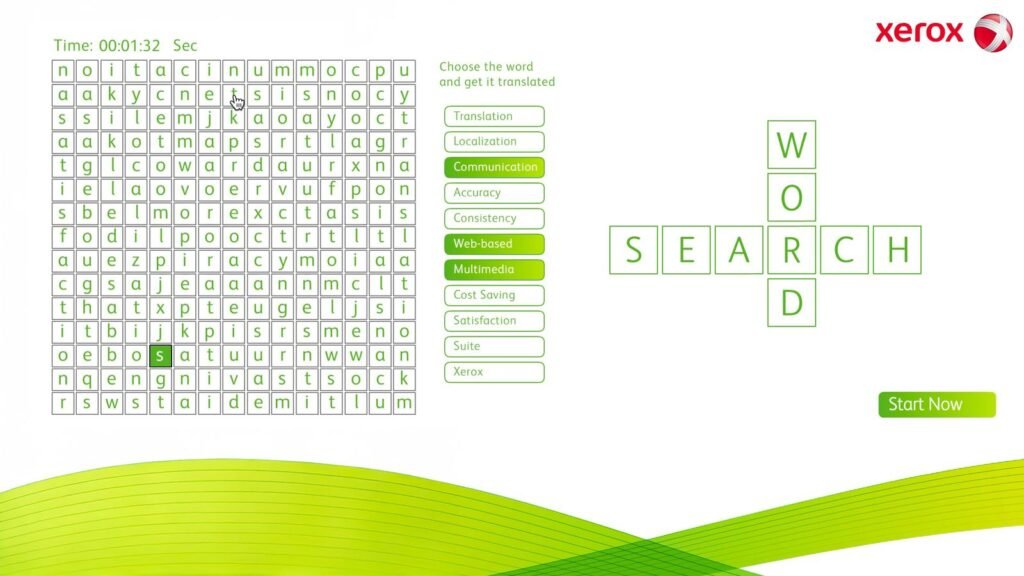
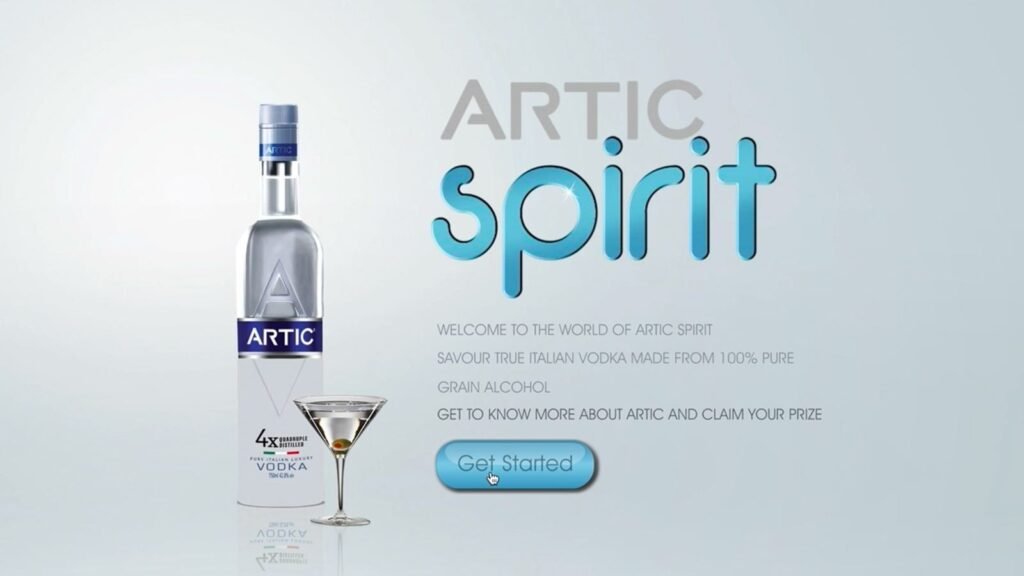
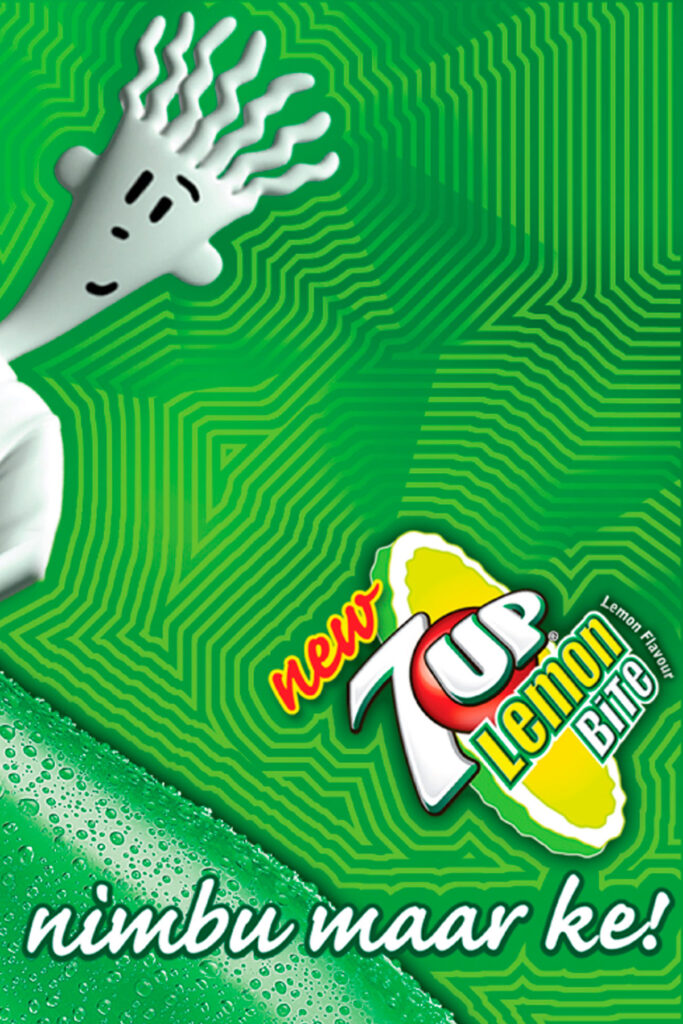
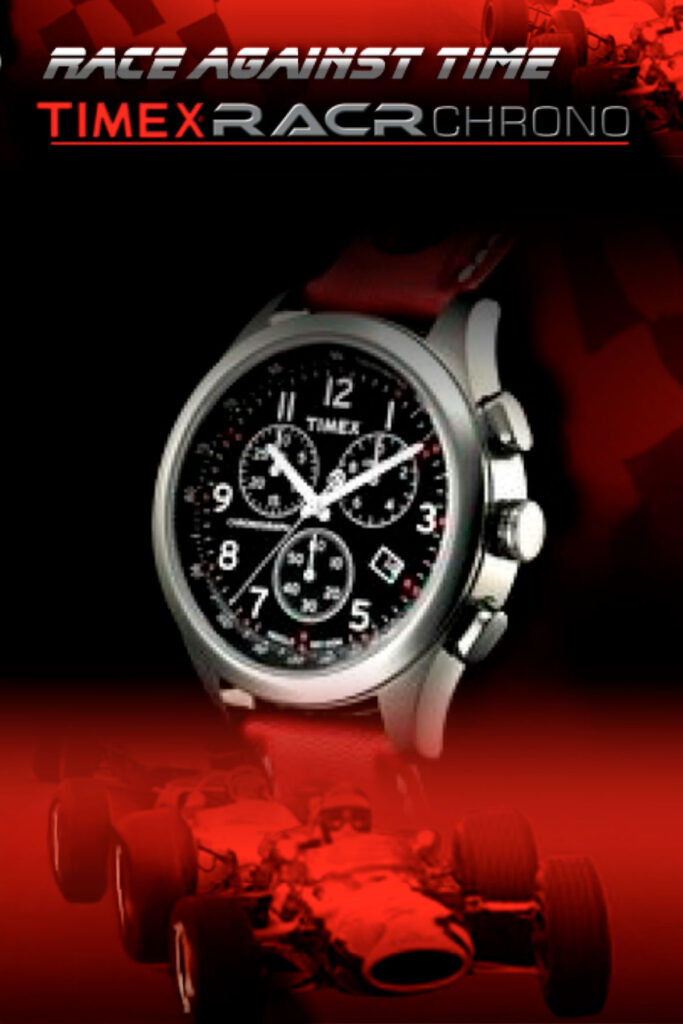
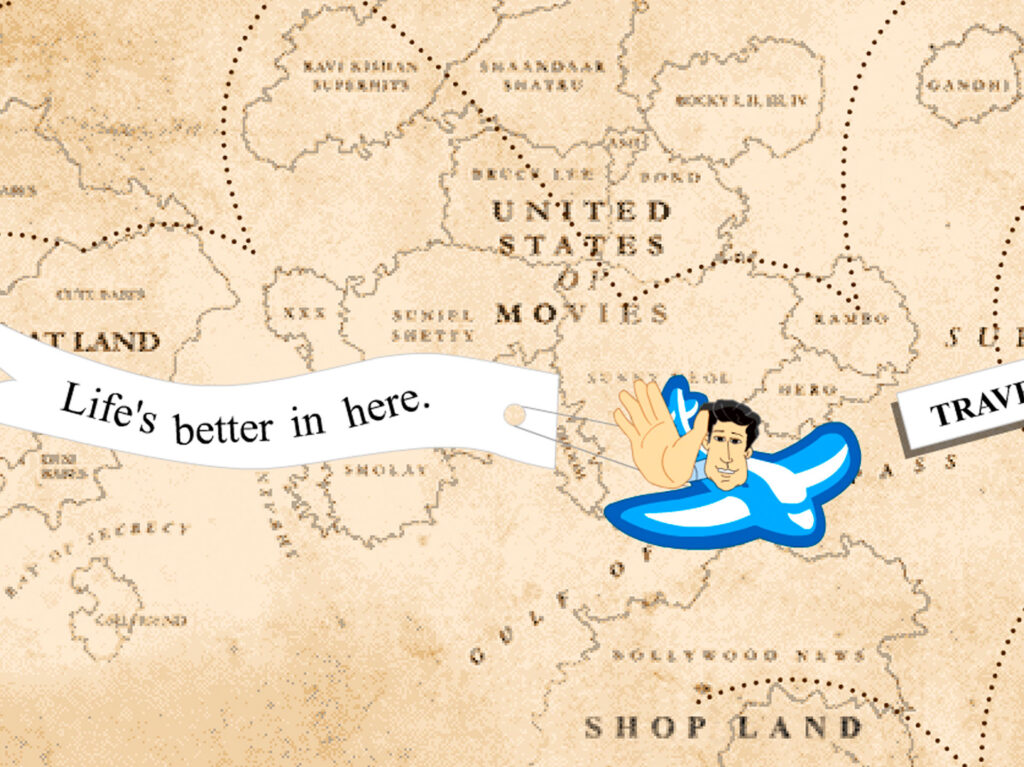
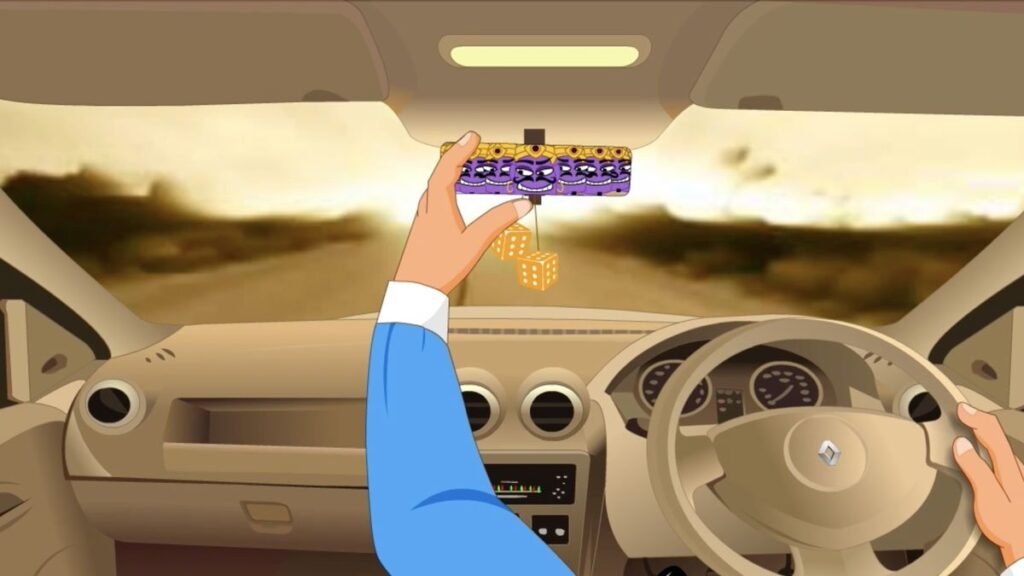
What follows below is work across three formats that defined this era: the corporate and brand websites where every brief was a new constraint to solve, the campaign microsites and games where the browser became a creative medium, and the media banner archive: page takeovers, rich media, animated loops, everything competing for a fraction of a second of attention.


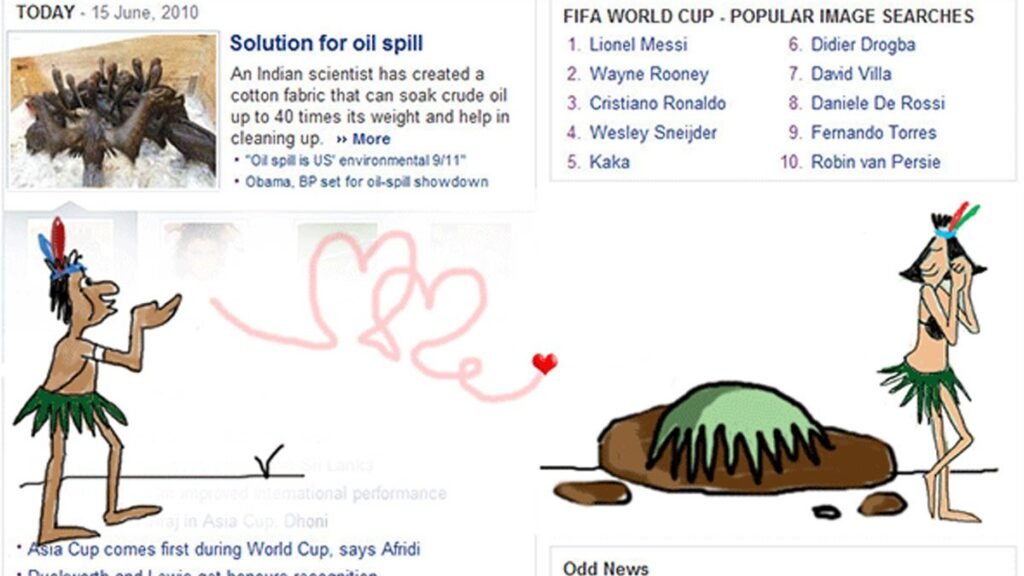

And all of that, every banner, every microsite, every interaction, had its roots in something much simpler.
A year into ER&DCI, pure maths made me restless. My brother found an ad: an animation studio looking for people good at sketching. The test was live. I barely finished one sketch in 10 seconds. Got selected anyway. It taught me something that stayed: it was never about perfection. It was about observation.
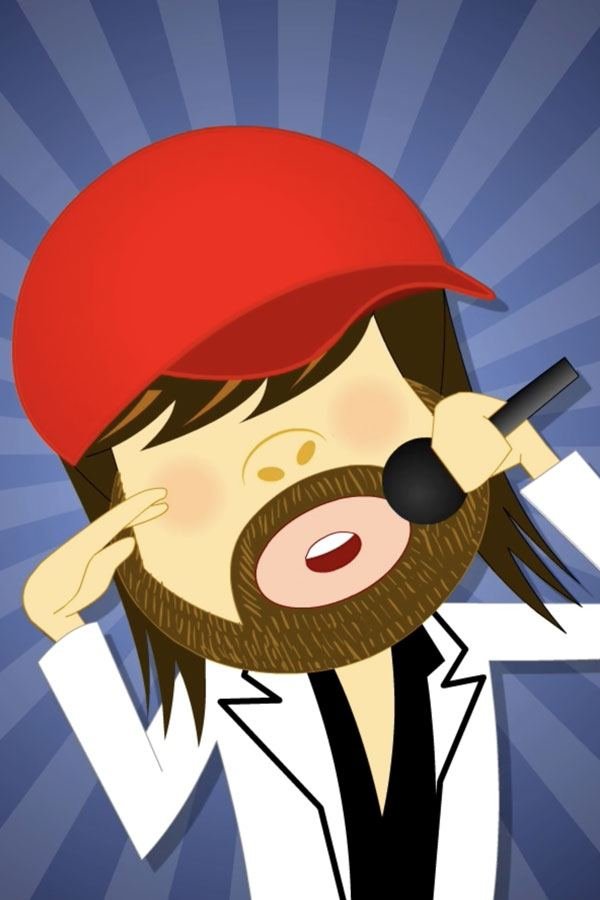
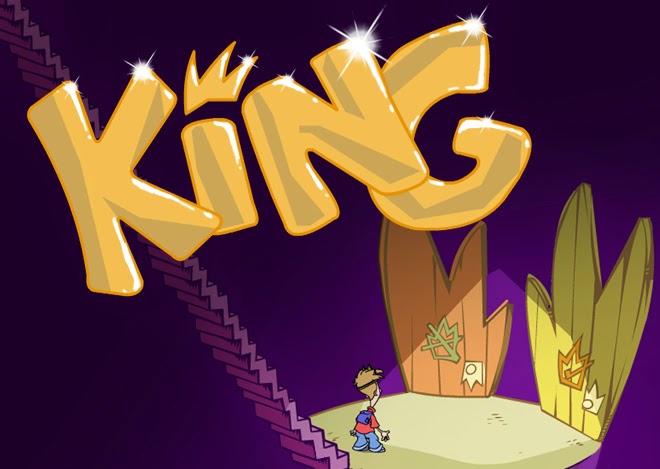
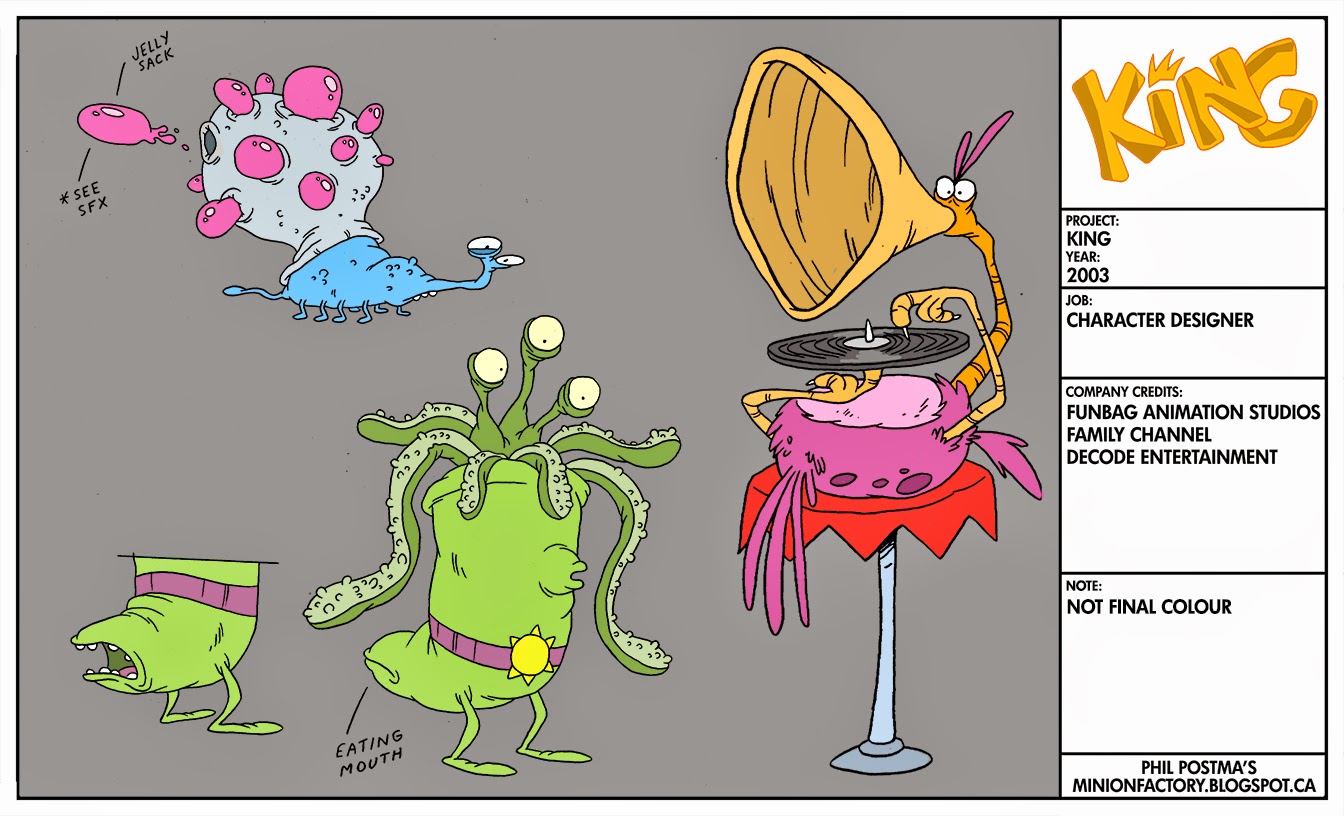
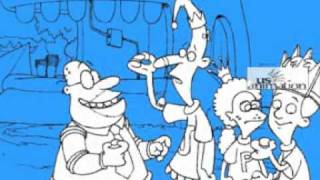
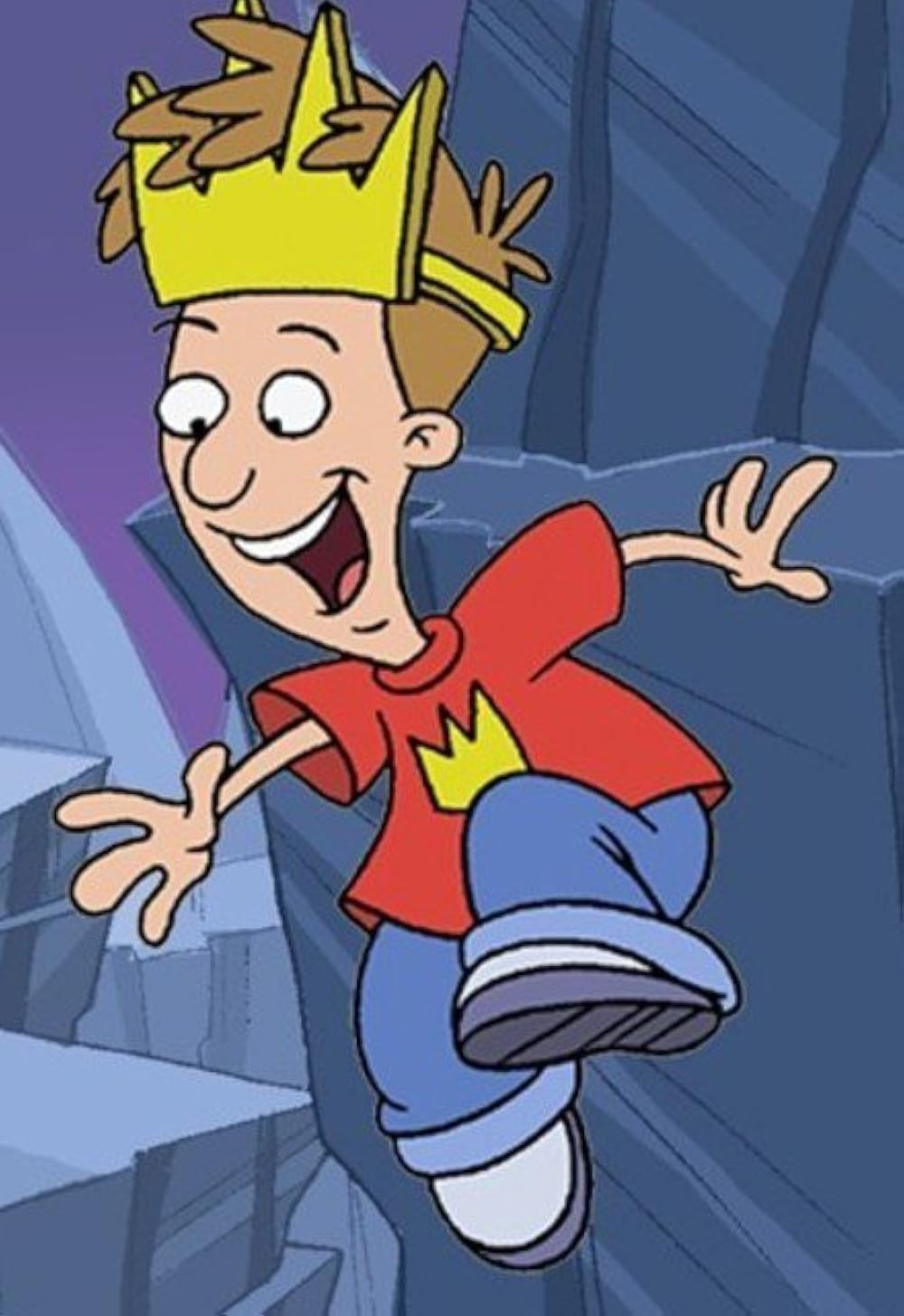
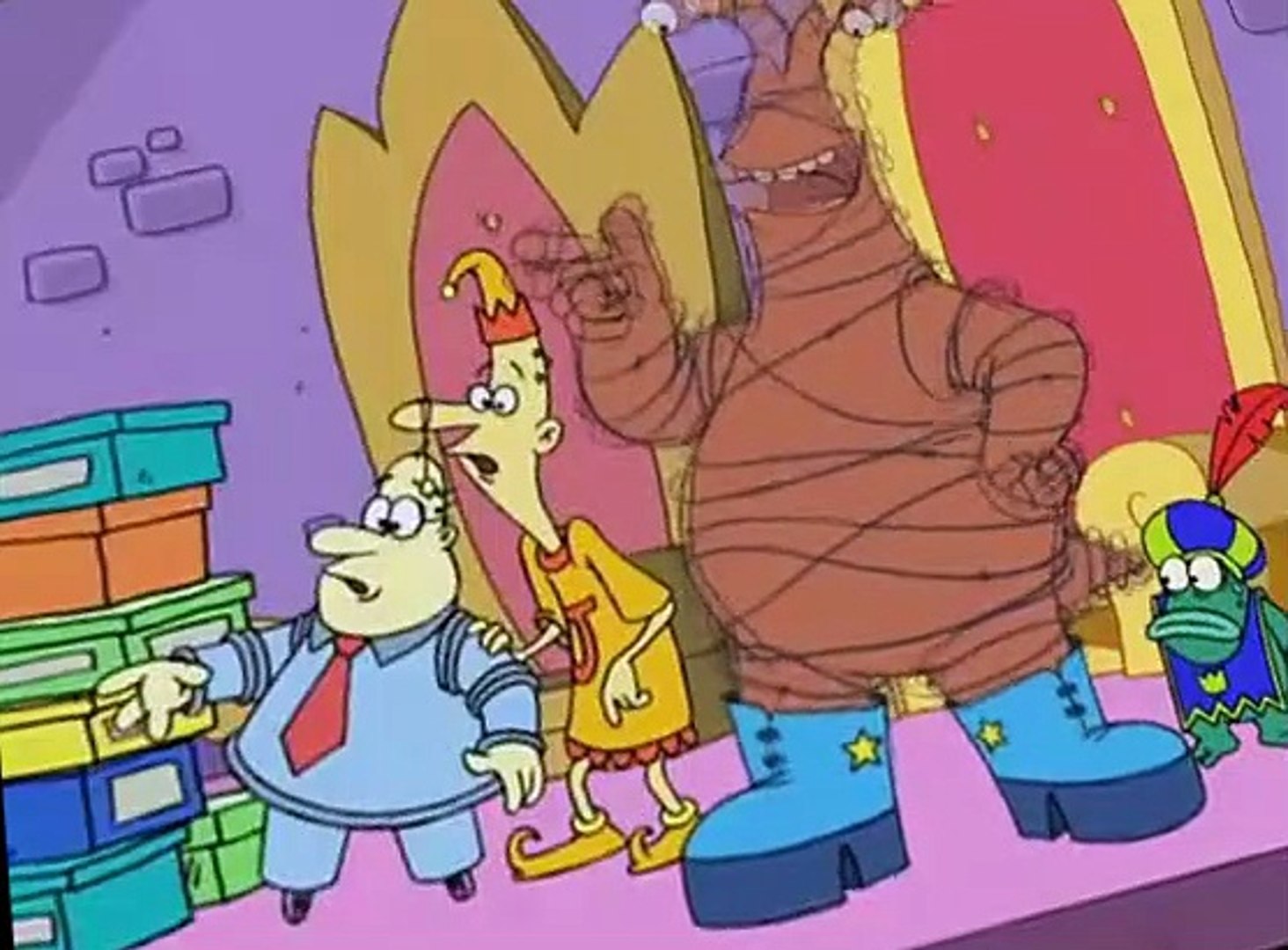
Below are the sketch studies from that period, and the KING animation series, 33 episodes produced for Canada’s Funbag Studio, drawn one stroke at a time on lightboxes. Halfway through, I moved to compositing and discovered how everything connected. Animation wasn’t disappearing. It was entering the screen.
.jpg)
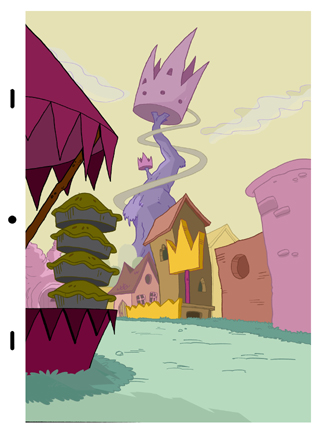
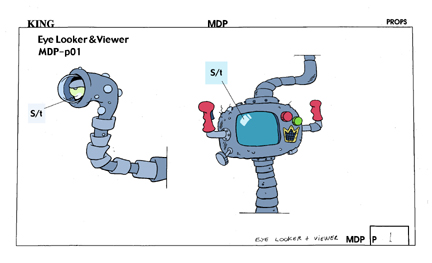
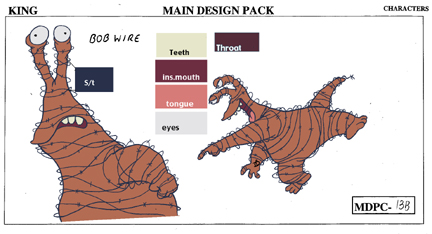
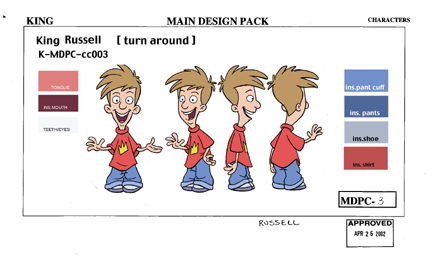
Production stills · KING animation series · Escotoonz & Funbag Studio Canada · 2002–03
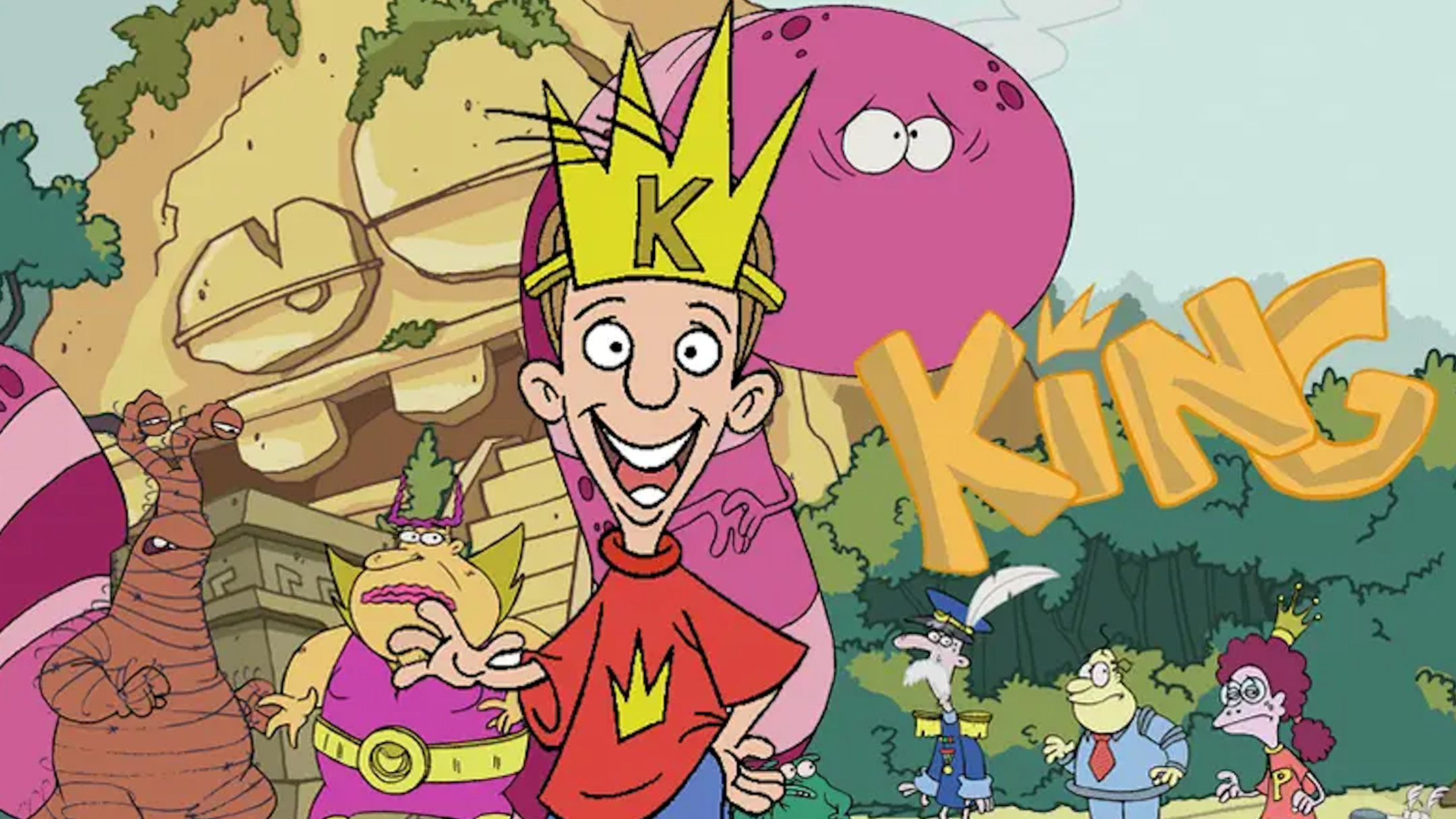
Russell, a 10-year-old boy, lives under the rule of his two working parents, his perfect law-abiding older sister, his nit-picky teachers and the oppression of before-and-after-school care. One day while excavating his bedroom, he uncovers a portal under his bed which launches him into the Land of Under. Magically transformed into a cartoon version of himself, Russell lands in an animated kingdom populated with wild and quirky characters desperately in need of leadership. Russell will seize the day.
© Funbag Animation Studios / DHX Media. KING and all related characters are trademarks of their respective owners. Content referenced here solely for creative portfolio and professional documentation purposes. No copyright infringement intended.
In November 2025, I left Innocean carrying twenty-plus years of learning, and a growing curiosity about what comes next.
The tools keep changing. The mediums keep shifting. AI is accelerating everything.
Curiosity still feels like the only constant.